

‘Economy on its knees!’ Lizzie Cundy tells Rachel Reeves it is ‘time to RESIGN’ over tax hikes and national debt
Lizzie Cundy has launched a blistering attack on Chancellor Rachel Reeves stating that it is “time to resign” as the UK’s economy teeters on the edge.
Her remarks came as debate continues over the Chancellor’s potential plans for income tax, with speculation mounting that Labour may consider breaking a key election pledge.
Ms Reeves is reportedly weighing up an income tax rise in next month’s Budget to help plug a multibillion-pound gap in the public finances.
Some advisers in both the Treasury and Downing Street believe an income tax increase could be the only reliable way to raise enough revenue to avoid further tax hikes later in the parliament.
Lizzie Cundy has launched a blistering attack on Chancellor Rachel Reeves
GB NEWS
Lizzie pointed to recent figures showing that the Government borrowed £20billion in September alone, with national debt climbing towards £3trillion and around £100billion borrowed just six months into the financial year.
She questioned how the Government plans to fill the growing fiscal black hole while warning that the wealthy are leaving the country in record numbers around 16,500 expected to depart by the end of the year.
Speaking on GB News, she said: “All I can think of are those on benefits. It’s not going to work, Rachel. You really don’t have a clue.
“And you know who I blame? Keir Starmer because he had the worst judgement ever putting you in this position.
“You lied, I’m sorry, you did, on your CV. But I hear there’s still a job going at Halifax, and I totally recommend it.
“But don’t worry I’m going to wipe away the tears, because I’ve got the solution.
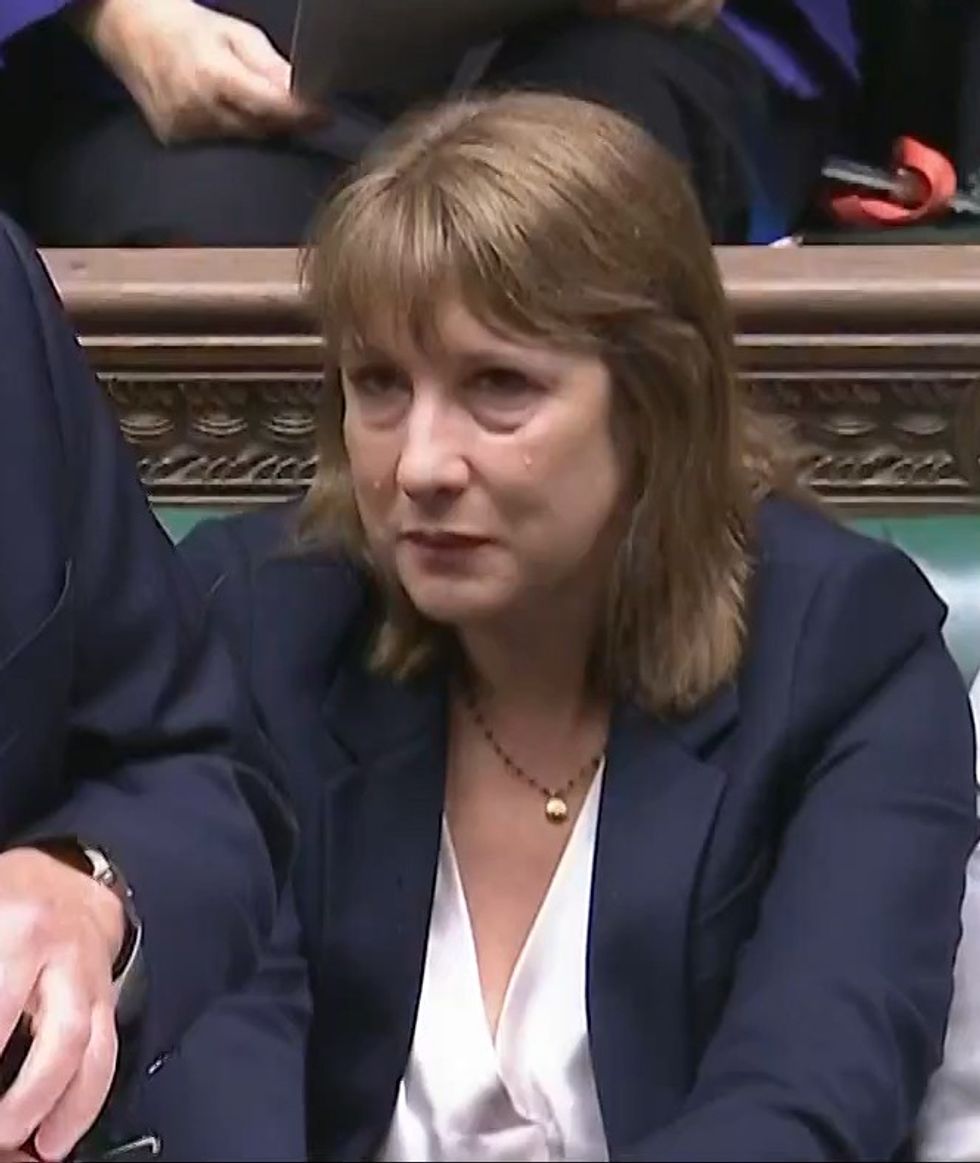
Rachel Reeves will be delivering the Budget next month
“The solution is for you to resign. That’s right. Resign, Rachel. Do it now. Tell Keir Starmer we’ve had enough.
“Our economy is on its knees. We can’t be taxed anymore. You said you wouldn’t tax working people but that’s all you’ve done.
“From farmers to pensioners who’ve worked all their lives, National Insurance hikes through the roof, hospitality businesses on their knees.
“Enough’s enough. Resign, Rachel and do the right thing.”
According to sources cited by The Guardian, insiders say Ms Reeves is wary of the political fallout such a move could trigger, particularly after already breaching earlier commitments by raising national insurance last year.
The Treasury is reportedly divided over which income tax rates could be targeted if the Chancellor proceeds with a rise.
One option under consideration is adding 1p to the basic rate of income tax, which could raise more than £8billion for the public purse, but such a move risks deepening cost of living pressures for millions of workers.
‘Economy on Its Knees!’ Lizzie Cundy Tells Rachel Reeves It Is ‘Time to RESIGN’ Over Tax Hikes and National Debt
Television personality Lizzie Cundy has launched a fierce attack on Chancellor Rachel Reeves, declaring that it is ‘time to resign’ amid growing concerns about Britain’s economic performance, rising taxation and the country’s mounting national debt. Her outspoken criticism has added to the political pressure facing the Labour government as households and businesses continue to struggle with financial uncertainty. With the Chancellor facing difficult decisions over public spending and taxation, the controversy has reignited questions about whether Labour’s economic policies are delivering the improvements promised to voters.
First of all, Britain’s economic situation has become one of the most important political challenges facing Keir Starmer’s government. Since Labour entered Downing Street in July 2024, the Prime Minister and his Chancellor have repeatedly promised to rebuild the economy, improve public services and create stronger foundations for long-term growth.
However, many businesses and households remain concerned about the financial pressures affecting the country. High living costs, expensive housing, rising business expenses and uncertainty surrounding future tax policies have contributed to growing frustration.
Rachel Reeves has found herself at the centre of this debate. As Chancellor of the Exchequer, she is responsible for managing public finances, setting economic priorities and ensuring that government spending remains sustainable. Her decisions affect millions of workers, pensioners, businesses and families throughout Britain.
Lizzie Cundy’s latest intervention reflects the frustration of critics who believe that the government’s economic approach is failing to restore confidence. Her demand that Reeves should resign represents a particularly strong political response to concerns about taxation and national debt.
One of the biggest sources of controversy involves Labour’s tax policies. Businesses have expressed concerns about increased employment costs and the financial burden associated with changes to National Insurance contributions introduced in 2025.
Critics argue that higher employment costs can discourage recruitment, reduce investment and make it harder for smaller companies to survive. Some business owners fear that additional expenses will eventually be passed on to customers through higher prices.
For ordinary workers, the situation is equally concerning. Many households are already struggling with mortgage payments, rent, energy bills and everyday expenses. Any additional financial pressure can make it increasingly difficult for families to save money or maintain their standard of living.
Another major issue is Britain’s national debt. Government borrowing has remained a significant concern, with the Chancellor facing difficult decisions about balancing public spending against tax revenues.
The national debt represents the accumulated borrowing of successive governments. Although borrowing can help finance essential infrastructure, healthcare and education, excessive debt can increase interest payments and reduce the money available for other public services.
Reeves has repeatedly emphasised the importance of fiscal responsibility and maintaining economic stability. She argues that responsible financial management is necessary to restore investor confidence and create conditions for sustainable growth.
Nevertheless, opposition politicians and economic commentators have questioned whether Labour’s approach is achieving the desired results. They argue that the government must do more to encourage private investment, improve productivity and reduce unnecessary public expenditure.
The debate is particularly important because Britain needs stronger economic growth to improve living standards. Without increased productivity and business investment, the government may struggle to generate sufficient tax revenues to finance public services.
Small businesses are especially important in this discussion. They provide employment opportunities, support local communities and contribute significantly to the British economy. However, rising operating costs, taxation and uncertainty can make it difficult for smaller companies to expand.
Critics therefore believe that the government should prioritise policies that encourage entrepreneurship and make Britain a more attractive destination for investment.
Another concern involves public confidence in the Chancellor. Economic leadership requires more than announcing financial targets and promising future improvements. Voters want to see tangible results, including better employment opportunities, affordable housing and stronger household incomes.
Lizzie Cundy’s comments have therefore contributed to a wider political conversation about accountability. Although celebrities and television personalities do not determine government economic policy, their opinions can attract public attention and amplify concerns already being expressed by ordinary citizens.
For Keir Starmer, the controversy creates another challenge. The Prime Minister must defend his Chancellor while demonstrating that the government understands the financial difficulties facing the country.
Labour cannot afford to ignore the concerns of working families and business owners. Many voters supported the party because they expected economic stability and improvements to public services after years of political uncertainty.
There are several important steps the government could consider. Firstly, it should provide greater certainty for businesses by avoiding unnecessary changes to taxation. Secondly, it should encourage investment in infrastructure, technology and skills. Thirdly, public spending must be carefully monitored to ensure taxpayers receive value for money. Finally, the government should introduce policies that support employment and improve productivity.
At the same time, reducing national debt requires a realistic long-term strategy. Simply cutting spending without considering the consequences could damage essential services, while increasing taxes indefinitely could discourage economic activity.
The Chancellor therefore faces a difficult balancing act between financial discipline and economic growth.
Ultimately, the success of Labour’s economic strategy will depend on whether people experience meaningful improvements in their everyday lives. Lower inflation, stronger wages, more affordable housing and better employment opportunities would help restore confidence in the government.
In conclusion, Lizzie Cundy’s demand for Rachel Reeves to resign has highlighted growing frustration over Britain’s economic challenges, taxation and national debt. Her criticism reflects concerns shared by some businesses, households and political opponents who believe the government must change its approach. Although calls for resignation are ultimately political opinions rather than evidence of economic failure, the Chancellor must recognise the importance of public confidence. Rachel Reeves faces the difficult task of controlling government borrowing while encouraging investment and supporting struggling households. Ultimately, Britain needs an economic strategy that delivers sustainable growth, protects essential public services and gives ordinary people greater financial security. The coming months will be crucial in determining whether Labour can convince the country that its economic policies are working.