

Labour Accused of Putting Reform MPs’ Lives at Risk in Bombshell Class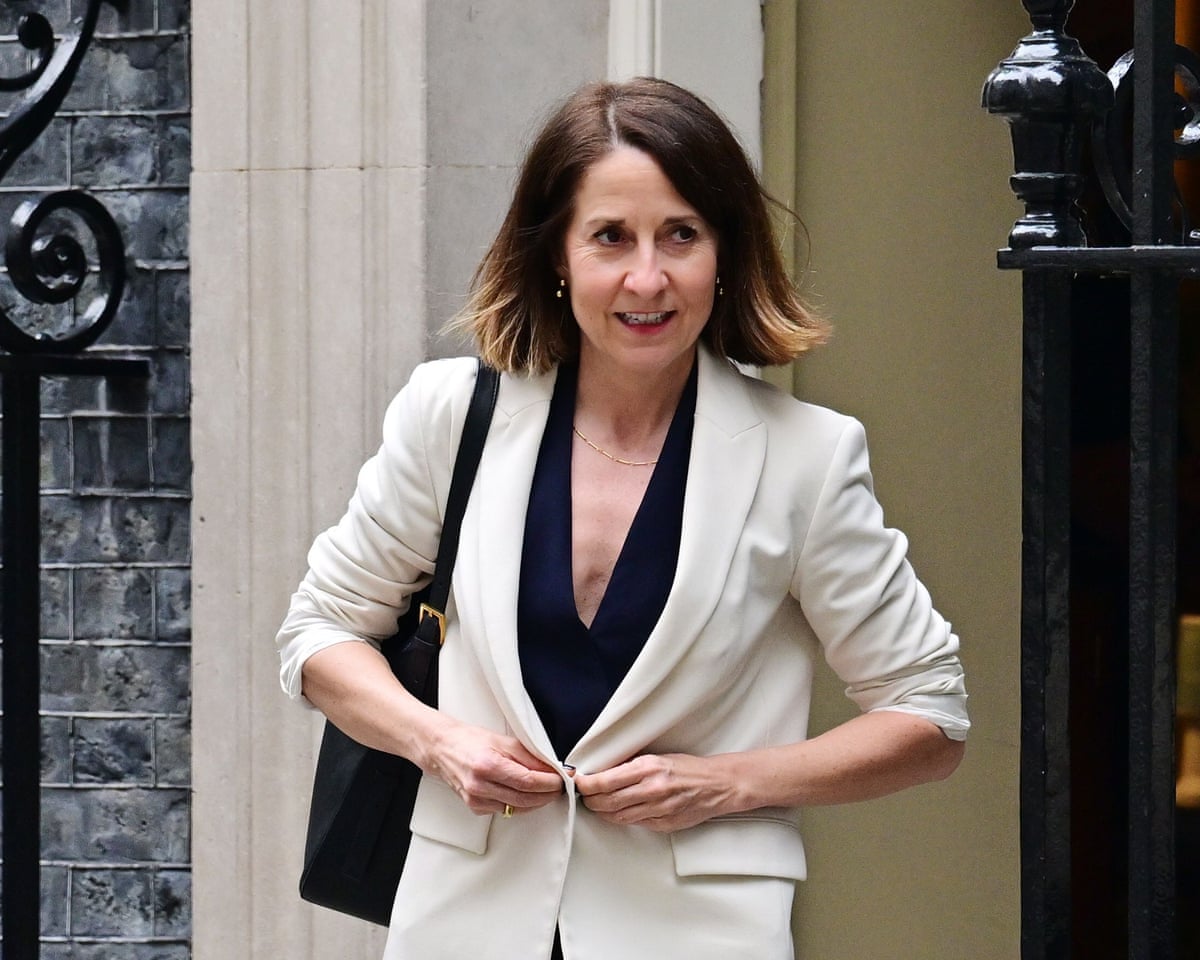
A bitter political row has erupted in Britain after Reform UK accused the Labour government of failing to take the security of its MPs seriously, with senior figures warning that political rhetoric and inadequate protection could have potentially dangerous consequences.
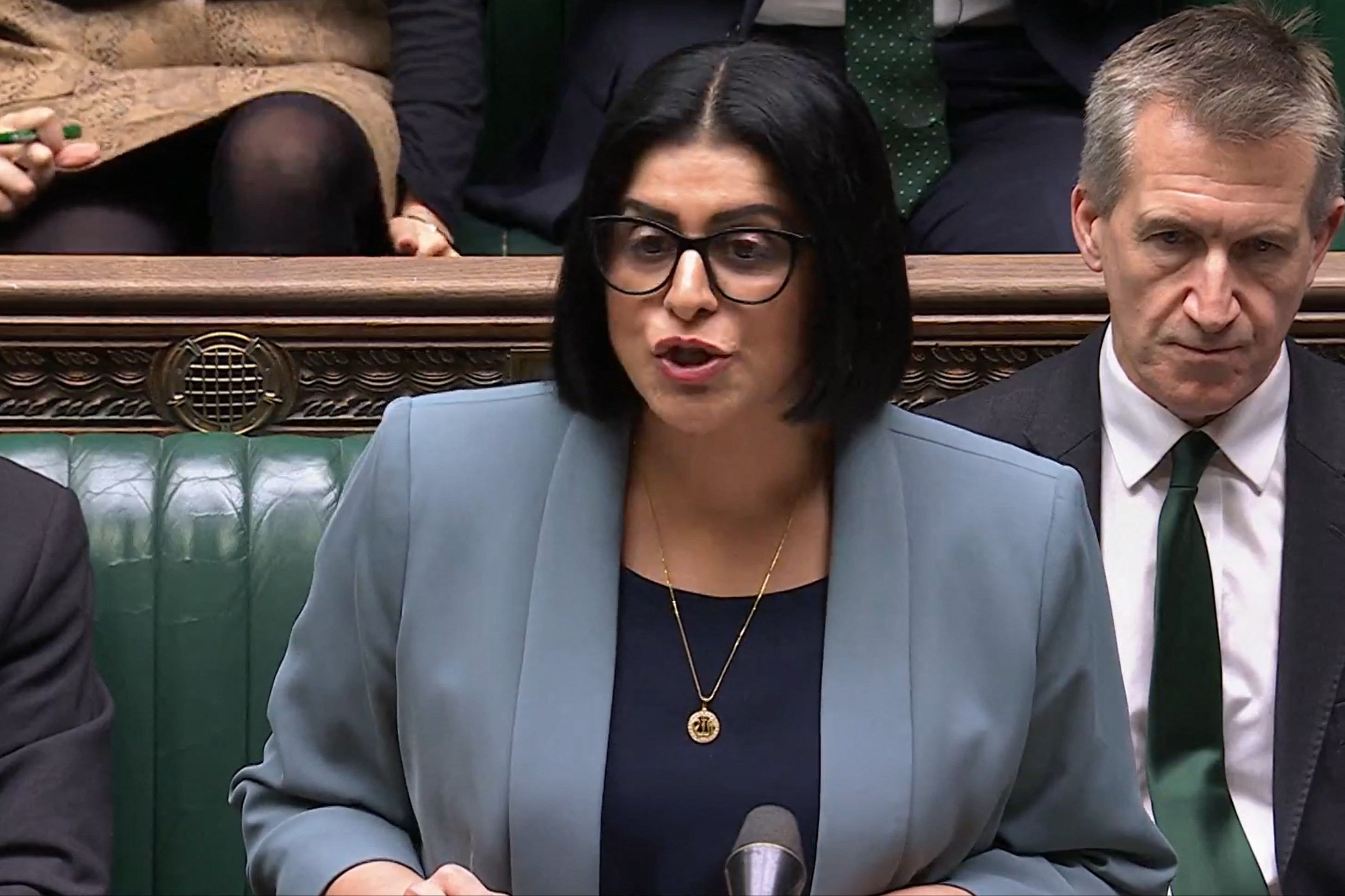
The allegations come at a particularly sensitive moment for Westminster. Concerns over the safety of politicians have intensified following a series of threats, abusive incidents and attacks against elected representatives and their staff. A recent survey of more than 500 parliamentary staff found that 78 per cent had experienced threats, while almost one-third said they feared for their own lives or the lives of colleagues.
Against that background, accusations that the government has placed Reform MPs at risk have immediately acquired a significance far beyond the usual political exchange.
Reform UK deputy leader Richard Tice and other senior figures have increasingly argued that the party’s MPs face an exceptionally hostile environment. The party’s supporters say Reform politicians are regularly targeted because of their views on immigration, crime, national sovereignty and Britain’s political establishment. Critics, however, argue that Reform itself frequently employs provocative political language that can intensify tensions.
The dispute therefore raises a difficult question: where does legitimate political criticism end and irresponsible rhetoric begin?
For Reform UK, the answer is clear. Its representatives believe that politicians should be able to express controversial opinions without becoming targets for intimidation or violence. They argue that disagreements over policy must never be allowed to become threats against individuals.
This position is particularly important in the case of Nigel Farage, who has previously spoken publicly about receiving large numbers of death threats. Reports in July indicated that the Reform leader said he received around 30 death threats a week, prompting accusations that ministers were failing to treat concerns about his safety with sufficient seriousness.
The wider political environment has made those claims more difficult to dismiss.
British MPs have faced growing abuse both online and in person. Constituency offices can be particularly vulnerable because staff are often accessible to members of the public. Unlike ministers protected by extensive security arrangements, many backbench MPs maintain regular public-facing operations where people can approach them directly.
The murder of former minister Ann Widdecombe has also intensified the national debate about political safety. Westminster has been forced to confront the uncomfortable reality that elected representatives can become targets simply because of their public roles. A survey published shortly afterwards found widespread anxiety among MPs’ staff and raised questions about whether existing security arrangements provide adequate protection.
It is against this background that Reform’s accusations against Labour have become so politically explosive.
Reform figures argue that government ministers have a responsibility to protect every MP, regardless of political affiliation. From their perspective, security cannot become another front in the culture war. A politician who votes against the government, attacks its policies or challenges its authority should still receive the same basic protection as a Labour MP.
That principle is difficult to dispute.
At the same time, the accusation that Labour is deliberately putting Reform MPs’ lives at risk is a serious claim that requires substantial evidence. Political disagreement, even extremely aggressive disagreement, should not automatically be characterised as an attempt to endanger someone’s life.
There is an important distinction between government policy that critics believe is inadequate and deliberate action intended to expose politicians to danger.
That distinction is likely to dominate the debate.
Reform UK has built much of its political identity around confrontation. Nigel Farage has consistently presented himself as an outsider challenging the political establishment, while his party has attacked Labour, the Conservatives and other mainstream institutions with unusually direct language.
The strategy has proved electorally powerful. Reform has established itself as a major force in British politics, and Farage’s recent victory in the Clacton by-election demonstrated the continuing strength of his personal appeal. He secured around 63 per cent of the vote after the other major parties chose not to contest the election.
But electoral success also brings greater responsibility.
Once a party becomes a significant parliamentary force, its leaders have to balance campaigning with the responsibilities of public office. That includes ensuring that political language does not contribute to an atmosphere in which threats against opponents become normalised.
The same standard should apply to Labour.
If Labour politicians attack Reform, they have every right to criticise its policies. They can challenge Farage’s views on immigration, welfare, crime or the economy. They can argue that Reform’s proposals are unrealistic or damaging. But political criticism should remain focused on ideas and decisions rather than the personal safety of elected representatives.
This is why the security question is so important.
The government has a duty to protect MPs not because it agrees with them, but because democracy depends upon their ability to operate safely. If politicians begin avoiding constituency meetings, public events or political campaigning because they fear violence, the damage extends beyond individual MPs. It weakens democratic participation itself.
There is also a danger that political parties will use genuine security concerns as weapons against one another.
If Reform claims that Labour is responsible whenever one of its MPs receives a threat, and Labour responds by accusing Reform of exaggeration, the real issue can become buried beneath partisan arguments. Threats need to be investigated by the appropriate authorities, while security decisions should be based on evidence rather than political convenience.
The recent concerns among parliamentary staff demonstrate why this cannot simply be treated as another Westminster shouting match. According to the survey reported in July, staff members described widespread experiences of threats, abuse, racism and intimidation. Some also complained that recommendations for improving office security had not been implemented fully.
That suggests the problem extends well beyond Reform UK.
Labour MPs, Conservative MPs, Liberal Democrats and Reform representatives can all become targets. Constituency workers, researchers and parliamentary assistants may also face abuse despite having no responsibility for the policies being criticised.
The political system therefore needs a broader response.
One possible approach would be to improve security assessments for MPs and their staff, particularly during periods of heightened political tension. Constituency offices could receive stronger protection, while staff could be given clearer guidance about dealing with threats and abusive behaviour.
Another priority should be tackling online threats.
Social media has transformed political communication, allowing politicians to speak directly to millions of people. But the same platforms can rapidly turn political anger into personal harassment. Threats that once might have remained private can now be shared instantly with thousands of people, creating an atmosphere in which intimidation becomes normal.
The government, opposition parties and technology companies all have responsibilities in dealing with this problem.
However, there is an equally important responsibility on politicians themselves.
Leaders have enormous influence over the tone of political debate. When they describe opponents as enemies, traitors or existential threats, some supporters may interpret that language more literally than intended. Strong political disagreement is part of democracy, but politicians should understand that their words can have consequences beyond Parliament.
That does not mean politicians should be forced into silence.
Indeed, protecting politicians from threats must not become an excuse for suppressing legitimate criticism. Journalists, campaigners and voters have a right to scrutinise elected representatives. Politicians cannot reasonably demand immunity from criticism simply because they claim to feel threatened.
The challenge is to protect the boundary between criticism and intimidation.
For Reform UK, the current controversy is also part of a broader battle over the party’s treatment by the political establishment and media. Reform figures have repeatedly argued that their movement is subject to disproportionate scrutiny and hostility. Recent disputes involving the party’s finances and legal challenges have further intensified tensions between Reform and its critics. Labour chair Bridget Phillipson recently criticised Tice over legal action connected to reporting about his financial affairs, describing it as an attack on press freedom.
This creates a highly charged political atmosphere in which almost every dispute can become part of a larger struggle over whether Reform is being unfairly targeted.
Nevertheless, security should remain separate from those political battles.
A Reform MP should be protected even if Labour considers their policies extreme. A Labour MP should be protected even if Reform supporters consider the government disastrous. The principle must be universal.
That is ultimately what is at stake.
Britain’s political system cannot function properly if elected representatives believe that entering public life means accepting the possibility of serious violence. Nor can democracy survive if politicians use security concerns to silence criticism or shield themselves from accountability.
The allegations against Labour therefore deserve careful examination rather than instant acceptance or dismissal. If there is evidence that security requests were ignored, warnings were disregarded or resources were deliberately withheld because the MPs involved belonged to Reform UK, that would be a serious matter requiring answers.
If, however, the evidence shows that security decisions were made according to established risk assessments and applied consistently across political parties, then accusations of deliberately endangering Reform MPs would be difficult to sustain.
Either way, transparency is essential.
The current political climate is already deeply polarised. Reform is growing, Labour is under pressure, and Britain’s traditional political alignments are changing rapidly. Recent polling and electoral developments suggest that Farage’s movement remains a formidable political force even as Labour has regained ground under Prime Minister Andy Burnham.
In such circumstances, the temptation for politicians to turn every disagreement into a political battle will be enormous.
But security should not be one of those battles.
The lives of MPs and their staff should never become bargaining chips in Westminster’s partisan warfare. Political parties can disagree fiercely while still recognising that everyone involved has the right to participate safely in democratic life.
For Reform UK, the next step should therefore be to provide clear evidence for its allegations and identify precisely what it believes Labour failed to do. For the government, the appropriate response should be equally clear: explain how security decisions are made, demonstrate that threats are taken seriously and show that protection is provided according to risk rather than party affiliation.
Britain’s democracy depends on both sides meeting that standard.
The most powerful response to political intimidation is not greater hostility. It is a political system in which elected representatives can argue passionately, challenge one another and campaign vigorously without fearing that disagreement will turn into violence.
That is a principle that should protect Reform MPs, Labour MPs and every other elected representative alike.