
Andy Burnham has good reasons to go for broke with a snap election (Image: Getty)
We’ve had small, popular measures, such as cutting VAT on electricity bills, capping bus fares at £2, and vague talk about easing the cost-of-living crisis. Big decisions on defence spending, social care and council house building have been pushed down the road. Many have seen this as a sign of weakness. That Burnham would rather court cheap popularity than tackle the tough decisions facing Britain today. But could it be something else?
There’s growing speculation that our new PM has something else up his sleeve, and is deliberately avoiding anything that could derail it. He’s enjoying his bounce, and would rather build the Burnham brand with voters by pumping out easy-going TikTok videos than start fights he might lose. That’s because he’s saving it up for the big one. A snap general election. Not in the spring, as many have assumed, but in November.
Get the latest politics news – straight from our team in Westminster and more
Invalid email
You agree you are 18 or over. We use your sign-up to provide content in ways you’ve consented to and to improve our understanding of you. This may include adverts from us and third parties based on our knowledge of you. You can unsubscribe at any time. More Info.
That could see the nation trudging to the polls in just two months’ time. The more I think about it, the more attractive it must look from Burnham’s point of view. But it relies on a few things going right first. So the PM will have to hold fire, before making his move.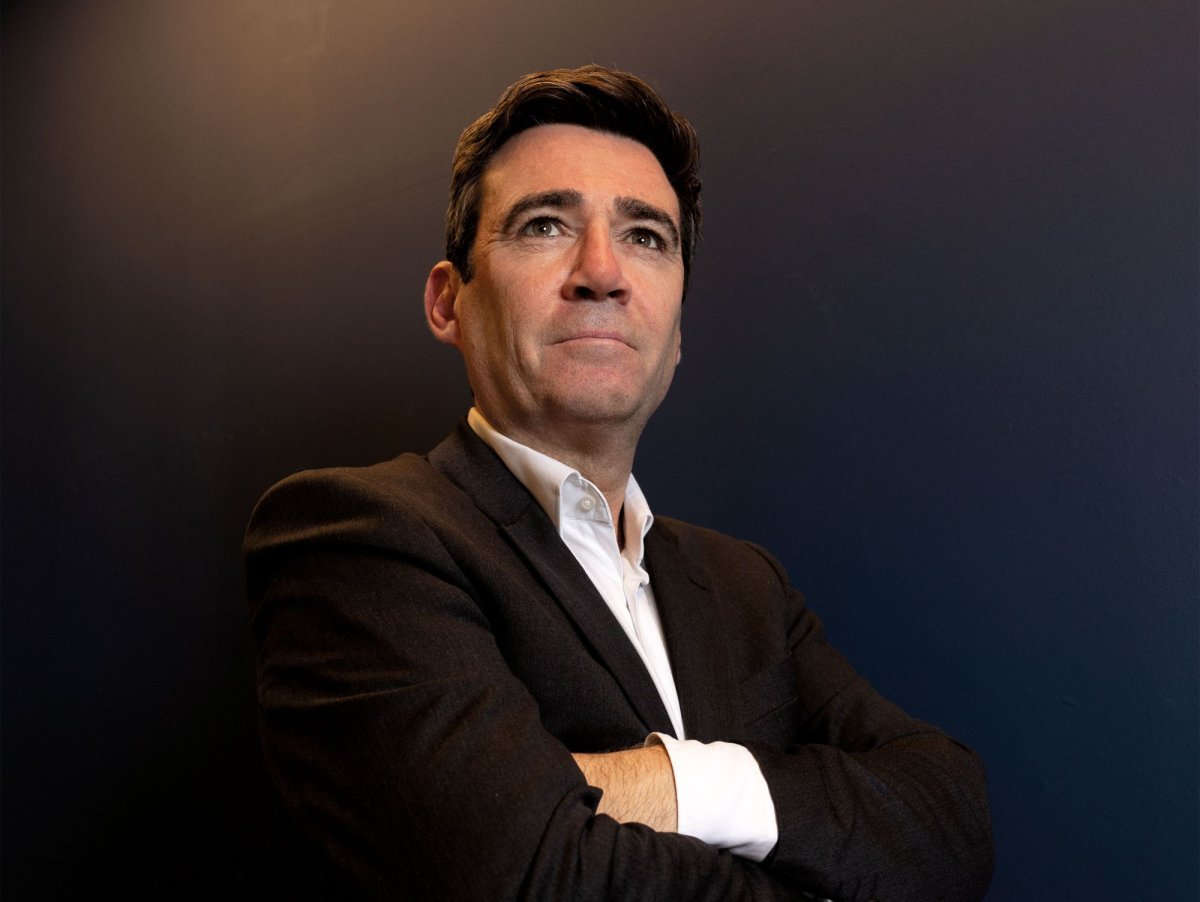
First, we have the Labour Party conference in Liverpool, from Sunday September 27 to Wednesday September 30. Burnham will use it to rally the faithful and deliver a set-piece speech designed to convince the nation he’s prime minister material. If that goes well, he moves onto the second stage of his plan.
On October 8, there’s a by-election in Holborn and St Pancras, triggered by former PM Keir Starmer stepping down. Green Party leader Zack Polanski is contesting the seat, but if Labour sees off mad Zack, Burnham will feel emboldened to go for the big one. The shortest an election campaign can legally last is 25 working days. The Daily Telegraph has suggested Thursday November 19 as a possible date.
The Budget is due on October 28, so Burnham will have to decide what to do about that. It might be possible to postpone it until after the election. Otherwise, it won’t contain much more than a few basics and cheap giveaways. And Burnham has another reason to go for broke. In fact, I think it’s the strongest of all.
We’re heading towards a winter of discontent. Global inflation and energy prices are soaring, thanks to the wars in Iran and Ukraine. That will drive gas, electricity and food bills even higher, while four predicted interest rate hikes next year could push up mortgage costs too. All of which will make voters very grumpy, and less likely to vote for the incumbent PM.
An early election before the crisis strikes could be a sound pre-emptive move. Especially with Kemi Badenoch growing in authority by the day, while Nigel Farage’s Reform UK is distracted by rows over donations. If Burnham goes for it and gets his mandate, then we’re in trouble.
Burnham rode his luck to get into Westminster, and will be hoping it holds for a couple more months. But this could be bad luck for the rest of us.
Yesterday, one of Burnham’s former allies warned that he’s leading an old-style socialist tax-and-spend government. Now we could be facing five years of it, if the PM has his way.
If Burnham calls and wins an election, he can ditch Labour’s manifesto pledge not to hike income tax, national insurance and VAT, and really go for it. That’s when the tough decisions will start rolling in. And they’ll be especially tough for taxpayers, who’ll pay the price of a Labour victory. For years.
Andy Burnham on the Brink of a Huge Decision – and the Questions Facing Britain’s Next Five Years
Andy Burnham is approaching a potentially significant moment in his political career. After years at the centre of political debate in Greater Manchester and beyond, the Labour politician continues to attract attention whenever questions arise about the future direction of British politics.
For Burnham, the issue is about more than one political decision. It also concerns the role he wants to play in the years ahead, the relationship between Westminster and England’s regions, and the increasingly difficult questions facing local and national government.
The dramatic suggestion that Britain could face “five more years of total misery” reflects a particularly pessimistic interpretation of the country’s future. But behind such language are genuine concerns about living standards, public services, housing, taxation, economic growth and the ability of governments to deliver meaningful improvements.
At the same time, there are competing arguments about the scale of these problems and about which policies can realistically address them. Understanding Burnham’s position therefore requires looking beyond political headlines and examining the wider circumstances surrounding his possible next move.
Burnham’s unusual political position
Andy Burnham occupies an unusual place in British politics. Unlike politicians whose careers have remained primarily focused on Westminster, Burnham has spent years in local government as Mayor of Greater Manchester.
Before becoming mayor, he held several senior positions in national politics and served in government under Labour. His subsequent move into regional leadership gave him an opportunity to develop a political identity centred on devolution, public services and regional economic development.
Greater Manchester has become an important part of that story. The region has frequently been presented as an example of how greater local decision-making can operate within England.
Burnham has consistently argued for stronger powers for regions outside London. His approach has included discussions about transport, housing, economic investment, health and social care, and the ability of local leaders to make decisions based on the circumstances of their own communities.
This background gives him a political platform that is different from that of many Westminster politicians.
It also explains why speculation about his future can attract attention far beyond Greater Manchester.
Why the next decision matters
The central question surrounding Burnham is not simply whether he remains a prominent Labour figure. It is what kind of political role he wants to pursue in the future.
A return to national politics would represent a significant change after years as mayor. Remaining focused on Greater Manchester, meanwhile, would allow him to continue developing his regional agenda and exercising direct influence over local policy.
Neither route is straightforward.
National politics offers greater influence over issues affecting the entire United Kingdom, but it also involves operating within the highly competitive environment of Westminster. Local government provides a different kind of political authority, allowing a mayor to focus more directly on specific projects and regional priorities.
Burnham’s experience means that he can speak with authority about both levels of government. His supporters have often viewed this as an advantage, while critics have questioned aspects of his record and approach.
Ultimately, the significance of his next move depends on what objectives he wants to prioritise.
Britain’s economic pressures
The wider political debate is taking place against a difficult economic background.
Households have faced years of pressure from rising costs, while governments have struggled to balance demands for better public services with constraints on public finances. Inflation, housing costs, energy bills, taxation and wage growth have all contributed to public concern about household finances.
Economic statistics can tell different stories depending on the period and measure being examined. A country can experience economic growth while many households still feel financially squeezed. Similarly, improvements in employment or wages do not necessarily eliminate concerns about housing affordability or the cost of essential goods.
This gap between national economic indicators and personal experience is one of the central challenges for politicians.
For voters, the question is often simple: is life becoming easier or harder?
For governments, the answer is considerably more complicated.
They must consider productivity, investment, public debt, taxation, infrastructure, business confidence and international economic conditions, while also responding to immediate pressures on household budgets.
The crisis in public services
Another major issue is the condition of Britain’s public services.
The National Health Service remains one of the most politically important institutions in the country. Waiting lists, access to appointments, staffing pressures and the financial demands placed on health services have generated continuing debate.
Local authorities have also faced significant pressures. Councils are responsible for a wide range of services, including social care, housing, transport and other community functions.
Burnham has built much of his political identity around public services and regional government, making these issues particularly relevant to his political message.
Supporters of greater devolution argue that local leaders are often better placed to understand the problems affecting their communities. Critics, however, can question whether transferring responsibility to local government necessarily provides sufficient financial resources to solve those problems.
This tension between responsibility and resources is fundamental to the debate over devolution.
The meaning of five more years
The phrase “five more years” carries particular political significance because governments are judged not only by individual decisions but by what happens over an entire parliamentary period.
Five years is long enough for major changes to become visible.
Infrastructure projects can begin and reach completion. Housing policies can affect construction. Transport investments can change commuting patterns. Economic policies can influence investment and employment. Public-service reforms can either produce measurable improvements or generate further criticism.
But five years is also short in political terms.
Large structural problems cannot necessarily be solved within a single parliamentary term. Healthcare reform, housing shortages, regional inequality and productivity challenges often have roots extending back decades.
This creates a difficult political environment. Governments are expected to produce quick improvements while dealing with problems that require long-term strategies.
Burnham’s political arguments have frequently emphasised precisely this question: whether Britain should continue concentrating political and economic power in Westminster and London, or whether more responsibility should be transferred to the regions.
Greater Manchester as a political experiment
Greater Manchester provides an important case study in this debate.
The region has developed a model of combined local leadership in which the mayor works with the constituent councils. Supporters of the model argue that this structure allows the region to develop policies that cross traditional local-government boundaries.
Transport is one of the clearest examples. Greater Manchester has long faced questions about connectivity, congestion and the relationship between public transport and economic development.
Housing and economic development present similar challenges.
A major metropolitan region needs enough homes for its population, reliable transport links and sufficient investment to support businesses and employment. Decisions in one part of the region can have consequences elsewhere.
The devolution model attempts to address some of these issues collectively.
Whether the model should be expanded further across England remains a subject of political debate.
Burnham’s national relevance
Even without returning immediately to Westminster, Burnham’s influence extends beyond Greater Manchester.
His political profile has made him a prominent voice in debates about Labour’s direction, regional inequality and the future of public services. His career also illustrates a broader transformation in British politics, in which mayors and regional leaders have become increasingly visible.
The question is therefore not simply what Andy Burnham will do.
It is also what his political trajectory says about the changing relationship between local and national government.
If regional leaders acquire more powers, national politicians may increasingly have to share responsibility for economic and social policy with mayors and combined authorities.
That could change the nature of British politics.
What the next few years could bring
Britain’s future will not be determined by one politician.
Economic conditions will depend partly on international developments. Public services will depend on funding, staffing and reform. Housing will depend on planning, construction, infrastructure and affordability. Regional inequalities will depend on investment and long-term economic trends.
Political decisions can influence these factors, but they cannot control all of them.
That is why predictions of “five years of misery” should be treated as political rhetoric rather than as an established fact. The future remains uncertain, and different policy choices can produce different outcomes.
What is certain is that voters will continue to judge governments according to their everyday experiences.
If wages rise but housing costs rise faster, people may remain dissatisfied. If public spending increases but waiting times remain high, questions about value and effectiveness will continue. If regional investment grows but economic opportunities remain concentrated in particular areas, the debate over devolution will intensify.
These are measurable political questions rather than matters that can be settled through slogans.
A decision with wider implications
Andy Burnham’s next political decision therefore deserves attention because it sits at the intersection of several major debates.
There is the question of his own political future. There is the future of Greater Manchester’s devolution settlement. There is the continuing argument about Labour’s priorities. And there is the broader challenge facing Britain as it attempts to improve living standards while dealing with pressure on public finances and public services.
Whether Burnham chooses to remain primarily focused on Greater Manchester or seeks a larger national role, the issues that have defined his career are unlikely to disappear.
The coming years will test politicians at every level.
For Burnham, that test will involve deciding where he believes he can have the greatest influence. For national government, it will involve demonstrating whether ambitious promises can be translated into practical results. And for the public, the ultimate measure will be the changes they experience in their own communities and households.
The political debate surrounding Burnham may therefore be about one man, but it also represents a much larger question: what kind of Britain should emerge over the next five years, and how much power should communities outside Westminster have in shaping that future?
Those questions have no simple answers. But they are likely to remain at the heart of British politics for years to come.