
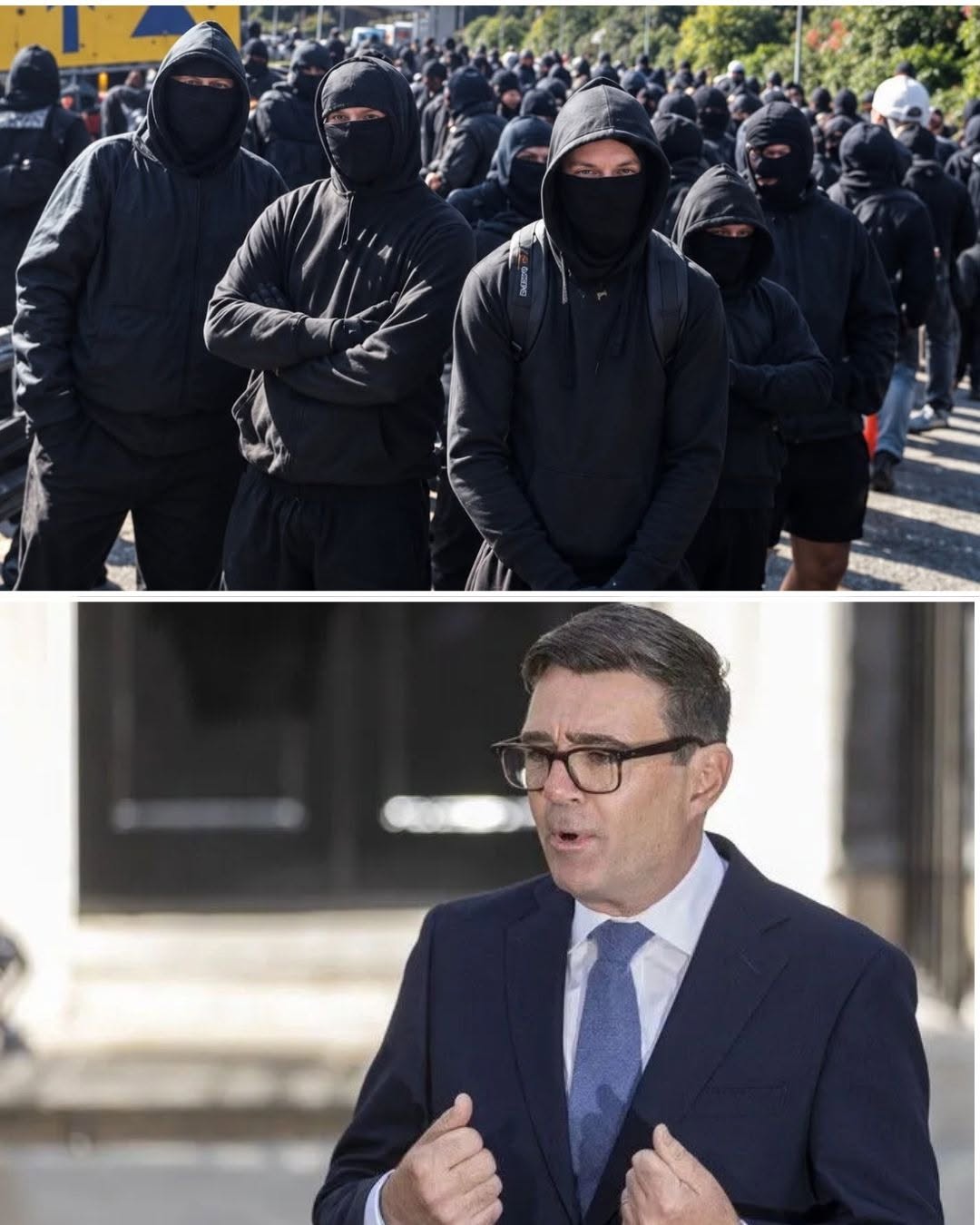
Patriot Platform’s Reported Ultimatum to Andy Burnham Raises Questions Over Border Accountability and the Channel Debate
A reported political challenge involving Patriot Platform and Greater Manchester Mayor Andy Burnham has brought renewed attention to Britain’s immigration debate. A circulating claim suggests that the activist organization has issued an ultimatum over border accountability amid continuing concerns about crossings in the English Channel. However, the precise demands, any deadline and Burnham’s response remain unverified, raising questions about whether the episode represents a genuine political confrontation or an unsubstantiated online narrative.
A Political Claim That Demands Closer Examination
A dramatic political headline has suggested that Patriot Platform, an organization associated with British nationalist and anti-immigration activism, has issued an ultimatum to Andy Burnham concerning the country’s handling of border security.
The claim links the reported confrontation to the ongoing debate over irregular migration across the English Channel, an issue that has generated considerable political disagreement in recent years.
However, the available account does not provide the original statement, the date of its release or the specific conditions allegedly imposed upon Burnham.
It also does not establish whether Burnham or his representatives have received or responded to any communication from the organization.
These omissions are important.
An ultimatum ordinarily involves a clear demand, often accompanied by a deadline or a stated consequence if the demand is rejected.
Without evidence of those elements, describing the reported message as an ultimatum may exaggerate its significance.
The broader debate about immigration and political accountability is real, but the particular confrontation described in the headline requires independent verification.
Who Is Andy Burnham?
Andy Burnham is a prominent Labour politician who has served as Mayor of Greater Manchester since 2017.
Before becoming mayor, he held several senior positions in national politics, including cabinet roles under previous Labour governments.
As Greater Manchester’s mayor, Burnham has been involved in debates about transport, policing, economic development, housing and public services.
His political profile has also made him a recognizable voice in wider national discussions.
However, an important distinction must be made between his regional responsibilities and the powers exercised by the British Government.
Immigration policy, border enforcement, asylum rules and the management of international maritime boundaries are primarily matters for central government.
The Home Office and other national authorities have responsibilities that do not fall under the direct control of the Mayor of Greater Manchester.
Consequently, any demand directed at Burnham concerning English Channel crossings would need to explain what action he was being asked to take and whether it fell within his legal authority.
Understanding Patriot Platform’s Reported Intervention
The circulating headline identifies Patriot Platform as the organization behind the alleged challenge.
However, it provides no authenticated statement outlining the organization’s position.
Without the original communication, it is impossible to determine whether Patriot Platform is calling for changes in immigration policy, demanding public explanations or seeking a political response from Burnham.
Campaign organizations frequently direct criticism toward elected officials as part of public advocacy.
Such interventions may involve petitions, open letters, demonstrations or requests for policy commitments.
These activities can form part of lawful democratic participation.
Nevertheless, political pressure should be distinguished from legally binding authority.
An activist organization cannot compel a regional mayor to alter national immigration policy simply by issuing a public demand.
The political impact of such a statement would depend on its content, public support and relevance to the official’s actual responsibilities.
Why the English Channel Remains Politically Sensitive
Irregular crossings of the English Channel have become one of the most contentious subjects in British immigration policy.
The journeys often involve small boats and dangerous maritime conditions, creating serious concerns about the safety of passengers and the responsibilities of rescue services.
Governments have faced pressure to reduce unauthorized crossings while maintaining legal obligations concerning asylum applications, maritime rescue and human rights.
Supporters of stricter border enforcement argue that effective deterrence and stronger action against criminal smuggling networks are essential.
Others emphasize the importance of safe asylum procedures, international cooperation and protecting people who may be fleeing persecution.
These positions reflect different assessments of how security, humanitarian responsibilities and immigration law should be balanced.
The complexity of the issue means that no single local politician can independently resolve the challenges involved.
Who Is Responsible for Border Accountability?
The phrase “border accountability” may sound straightforward, but it covers several different areas of government responsibility.
The Home Office plays a central role in immigration policy and border enforcement.
Border Force carries out operational functions relating to the movement of people and goods across the United Kingdom’s borders.
Other law enforcement bodies may investigate organized criminal activity connected with people smuggling.
Maritime authorities and rescue organizations have separate responsibilities concerning safety at sea.
Parliament provides democratic scrutiny through debates, legislation and committee investigations.
Courts may also review whether government decisions comply with the law.
These institutions operate within different legal and administrative frameworks.
A demand for accountability must therefore identify the decision being challenged and the authority responsible for it.
If Patriot Platform has directed a demand toward Burnham, the relevance of his regional office would need to be established before assessing whether the criticism is appropriately targeted.
The Difference Between Regional and National Powers
Greater Manchester’s mayor exercises responsibilities that can affect local communities, including aspects of policing oversight, transport and regional economic strategy.
Immigration policy, however, is not a devolved responsibility of the mayoral office.
Local authorities may experience the consequences of national asylum and migration policies, including pressures involving accommodation, housing and public services.
Regional leaders can express views about those effects and advocate changes.
But they cannot independently determine who may enter the United Kingdom or rewrite national asylum legislation.
This distinction matters because political debates can become misleading when responsibility is attributed to officials who lack direct control over the relevant policy.
Any fair assessment of Burnham’s position must consider what he can legally do, what he has publicly advocated and which decisions remain with central government.
The Importance of Verifying an Alleged Ultimatum
A credible report of an ultimatum should answer several basic questions.
Who issued the statement, and were they authorized to speak for the organization?
What specific action was demanded?
Was a deadline established?
What consequence was threatened or proposed if the demand was not met?
Was the statement delivered directly to Burnham, or was it simply published online?
The circulating account does not answer these questions.
It would therefore be inappropriate to claim that Burnham faces an official deadline or that a confrontation has escalated into a governmental crisis.
Similarly, there is no verified evidence in the supplied material that the alleged statement has changed immigration policy or prompted an official response.
The language of political confrontation should not be mistaken for evidence of an actual institutional dispute.
Public Debate and the Risk of Political Polarization
Immigration debates often generate strong reactions because they involve national sovereignty, public resources, community relations and humanitarian obligations.
Activist organizations may use forceful language to attract attention to their priorities.
Political leaders may respond by defending existing policies or proposing alternatives.
Both forms of participation can contribute to democratic discussion when they remain grounded in facts.
However, exaggerated claims can make constructive debate more difficult.
Presenting an unverified demand as an established political crisis may encourage readers to assume that major developments have occurred when no such evidence exists.
It can also obscure the practical questions that policymakers need to address.
Those questions include how to disrupt smuggling networks, process asylum claims efficiently, protect people at sea and maintain public confidence in immigration enforcement.
Could the Reported Challenge Have Political Consequences?
If an authentic statement from Patriot Platform emerges, its significance will depend on its content and the reaction it receives.
A public letter could contribute to political discussion without requiring an official response.
A campaign involving substantial public participation might attract wider media attention.
A policy proposal could be evaluated according to its legality, feasibility and potential consequences.
However, none of these outcomes can currently be assumed.
The existence of a dramatic headline does not establish that an influential political campaign has begun.
Nor does it demonstrate that Burnham’s position or the Government’s border policies are about to change.
Political influence must be assessed through documented developments rather than predictions.
What Evidence Would Clarify the Situation?
The most useful next step would be publication of the alleged Patriot Platform statement in full.
That would allow readers to establish the organization’s actual demands and whether the communication qualifies as an ultimatum.
An authenticated response from Burnham’s office could clarify whether the mayor has addressed the matter.
Reliable reporting could also establish whether the claim relates to a specific policy disagreement or a broader campaign concerning immigration.
Finally, official government information would help distinguish current border enforcement measures from political claims about their effectiveness.
Until these sources are available, the reported confrontation remains unconfirmed.
Conclusion: Accountability Requires Clear Responsibilities and Reliable Evidence
The reported ultimatum from Patriot Platform to Andy Burnham has drawn attention to the continuing political controversy surrounding English Channel crossings.
Yet the available information does not establish the terms of the alleged demand, whether Burnham received it or whether any official response has followed.
The wider question of border accountability is important, but it requires an accurate understanding of how responsibility is divided among national authorities, regional leaders and law enforcement agencies.
The central issue is not whether a dramatic political ultimatum has been announced, but whether its demands are genuine, supported by evidence and directed toward officials with the authority to address them.
For now, the claim remains an unverified political narrative rather than a confirmed escalation in Britain’s border debate.
Meaningful accountability will depend on transparent decisions, lawful enforcement and evidence-based scrutiny—not the intensity of a headline.