

Reform UK leader Nigel Farage (Image: Getty)
Reform UK will increase the tax-free personal allowance to £15,000 if Nigel Farage wins the next general election. Robert Jenrick will pledge to bring in the change in the first 100 days of becoming chancellor in his speech at the party’s conference today.
The tax-free amount has been frozen at £12,570 since 2021 in a major stealth tax and is due to stay at that level until 2031. Mr Jenrick will tell the gathering in Birmingham: “As chancellor, I will wake each morning with one purpose. To make Britain a better place to be a worker than it was the day before.
Get the latest politics news – straight from our team in Westminster and more
Invalid email
You agree you are 18 or over. We use your sign-up to provide content in ways you’ve consented to and to improve our understanding of you. This may include adverts from us and third parties based on our knowledge of you. You can unsubscribe at any time. More Info.
“In the first hundred days of a Reform government, in our first Budget, we will raise the tax-free personal allowance from £12,570 to £15,000.”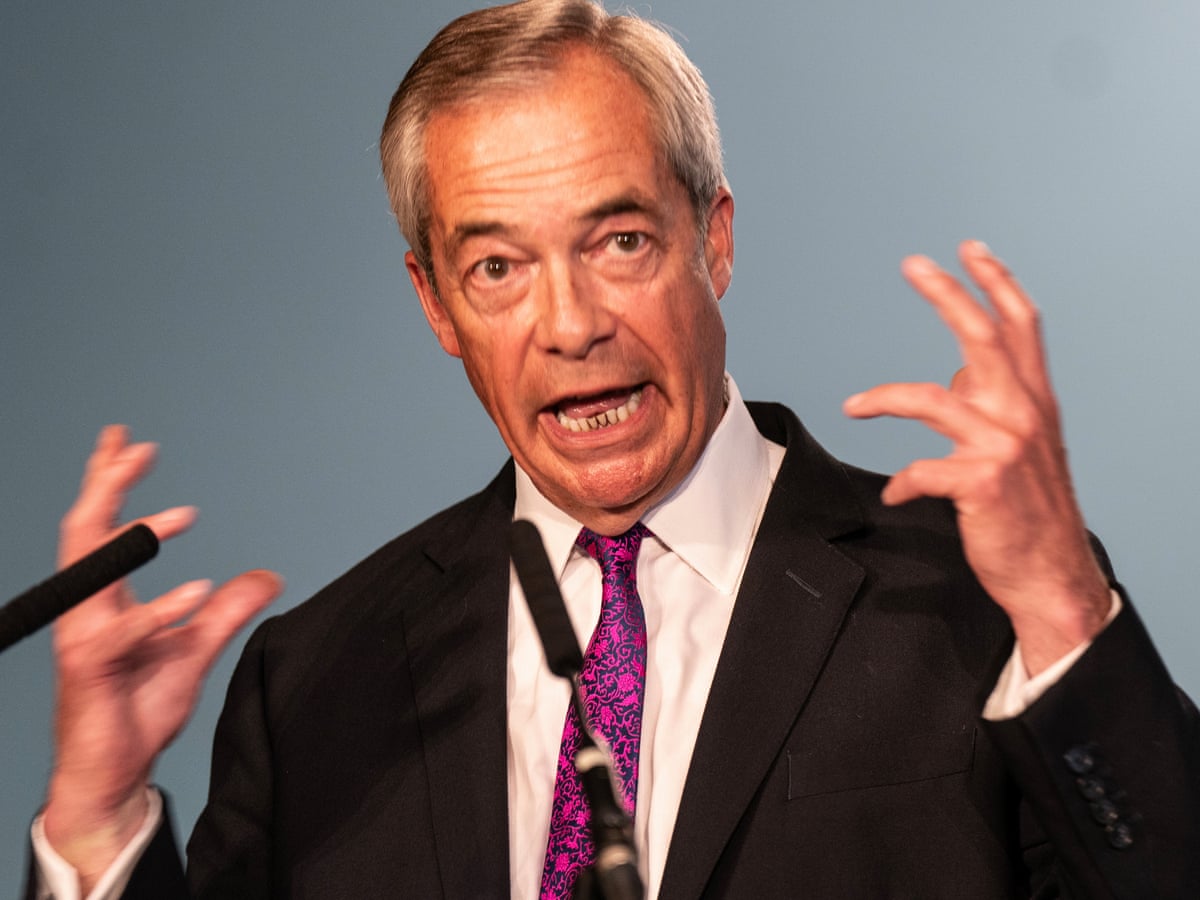
He is expected to add: “1.3 million were dragged into paying tax last year alone. Why? Because the tax-free allowance has been stuck at 12 and a half grand since 2021. And Labour has frozen it until 2031.
“That betrayal costs a full-time worker on the minimum wage more than £750 a year. And now for the first time, the freeze means they’re going to be taxing the state pension. What a disgrace.”

Robert Jenrick will make the pledge in his conference speech (Image: Getty)
Mr Jenrick will challenge Andy Burnham to match the policy, saying: “The hard choice for Burnham and for us is exactly the same. It’s either welfare waste, foreign aid and migrants – or the British worker. We choose the worker.”
He will add that it remains Reform’s long-term aim to bump up the tax-free amount to £20,000.
He is expected to say: “When we can — only when it is paid for in full — I will go further, step-by-step, until we’ve reached Reform’s ambition of a £20,000 tax free allowance.”
The Prime Minister raised hopes that he could unfreeze the personal allowance shortly after entering 10 Downing Street in July.
He said the issue was “lodged in my mind” after hearing it on the campaign trail during the Makerfield by-election.
But Mr Burnham later said there was no immediate commitment to increase the tax-free amount but that it would be looked at in the Budget.
The PM said: “Well, it’s funny these days you can’t answer a question honestly without then people reading everything else into it.”
He added: “I want to answer questions honestly in this job, as I said before.
“I think that’s all about trust in politics and doing politics differently, and I’m determined to keep working in that way.
“It was raised a lot, but I then went on to say, ‘But we’ll have to look at it at the Budget alongside everything else’. So no commitment, no unfunded promise.
“It’s just perhaps the way politics is these days and the way people report things, but that was an honest answer. There is no commitment at this point to change, but we will look at that at the Budget.”
A Labour Party spokesperson said: “Robert Jenrick only seems to be interested in making people better off when Reform UK are trying to distract from the latest scandal engulfing their party. The public will see right through it.
“Farage and Reform are funding policy after policy through mystery spending cuts, which could put local schools, hospitals and other vital public services at risk.”
Huge £15,000 HMRC Personal Allowance Change Promised if Nigel Farage Becomes PM
Millions of taxpayers could see a major change to the amount of income they can earn before paying income tax if Reform UK were to form the next government.
The party has promised to increase the tax-free Personal Allowance from its current level of £12,570 to £15,000 within the first 100 days of a Reform government.
The proposal was announced by Reform’s Treasury spokesman Robert Jenrick at the party’s conference in Birmingham, where he presented the measure as a central part of the party’s economic programme.
However, there is an important distinction behind the headline: this is a Reform UK policy promise, not a new HMRC rule. HMRC has not announced that the Personal Allowance is automatically rising to £15,000. Under current government policy, the allowance remains £12,570.
What is the Personal Allowance?
The Personal Allowance is the amount of income an individual can normally receive before becoming liable for income tax.
At present, the standard allowance is £12,570.
In simple terms, someone earning below that amount from taxable income would normally have no income-tax liability because their income falls within the Personal Allowance.
Once earnings exceed the allowance, income above the threshold can become taxable, depending on the person’s circumstances and the applicable tax rates.
The allowance therefore affects a very large number of workers and taxpayers.
Reform’s proposal would increase the threshold by £2,430, from £12,570 to £15,000.
The party says the measure would provide around £486 in annual tax relief to most taxpayers paying the basic rate and would remove around 2.9 million people from income tax altogether.
Jenrick’s 100-day pledge
The announcement came from Robert Jenrick rather than Farage personally.
Speaking at Reform UK’s 2026 conference, Jenrick promised that a Reform government would introduce a Budget within its first 100 days and raise the Personal Allowance to £15,000.
He went further by attaching his own political position to the promise.
Jenrick said that if he failed to deliver the increase within the promised timeframe, he would resign.
The commitment was presented as one of the party’s most significant immediate tax measures.
The Chartered Institute of Taxation noted that Reform’s “First 100 Days” documentation clarifies that the 100-day commitment relates to introducing the Budget, with the £15,000 allowance taking effect at the beginning of the following tax year.
That technical distinction matters.
It means taxpayers should not interpret the pledge as a promise that the threshold would necessarily change immediately on the day a Reform government took office.
How much could taxpayers gain?
Reform estimates that most taxpayers would receive approximately £486 a year in tax relief.
That figure reflects the £2,430 increase in the tax-free allowance multiplied by the basic income-tax rate of 20%.
For someone who is able to use the full additional allowance, the calculation is straightforward:
£15,000 − £12,570 = £2,430
At a 20% basic rate:
£2,430 × 20% = £486
However, the precise benefit would depend on an individual’s circumstances.
Not every taxpayer earns enough to use the entire allowance, and different tax arrangements can affect the amount of tax actually paid.
The proposal should therefore not be interpreted as meaning every adult would automatically receive a £486 payment from HMRC.
It would instead change the amount of taxable income subject to income tax.
Millions could be taken out of income tax
One of the most significant claims made by Reform concerns people currently earning above the existing Personal Allowance but below the proposed £15,000 threshold.
The party says approximately 2.9 million taxpayers would be removed from income tax altogether if the allowance increased to £15,000.
For those workers, the change could mean that their taxable income fell entirely within the new allowance.
That would potentially have a larger practical effect than simply reducing the tax bill for people already paying substantial amounts of income tax.
The policy is therefore aimed at both low earners and the wider population of taxpayers.
Reform has described it as a tax cut for around 40 million people.
The current £12,570 threshold
The existing Personal Allowance has been fixed at £12,570 for several years.
Government legislation has maintained the threshold at that level for the relevant tax years, with the allowance set at £12,570 for 2026/27 and 2027/28.
That means the proposed Reform increase would represent a substantial change compared with the current system.
It would also be considerably larger than simply adjusting the allowance by inflation in small annual increments.
Reform has described the proposed increase as the largest rise in the Personal Allowance in its history.
Reform’s longer-term ambition
The £15,000 figure is not necessarily intended to be the final destination.
Reform’s published policy says the party has a longer-term ambition to raise the Personal Allowance to £20,000 as its economic reforms generate additional resources.
The £15,000 proposal is therefore being presented as the first stage.
The party says it would ultimately like workers to retain more of their earnings before income tax becomes payable.
That approach forms part of Reform’s wider economic programme, which includes other proposed tax reductions and changes to government spending.
How would Reform pay for it?
A major question surrounding any large tax reduction is how the government would replace the revenue.
Reform estimates that raising the allowance to £15,000 would cost around £17.7 billion in the first year, rising to approximately £21 billion after five years.
The party argues that its broader programme of welfare reform, reductions in foreign aid and cuts to the civil service would generate sufficient savings to fund the tax measure.
Those are policy assumptions rather than money that has already been identified and collected.
The ultimate cost would also depend on the economic conditions at the time the policy was implemented, the number of taxpayers affected and any accompanying changes to tax policy.
This is why the £15,000 figure should be understood as a political commitment rather than a guaranteed future HMRC outcome.
Not an HMRC announcement
The wording of the headline can easily create confusion.
HMRC is responsible for administering the UK’s tax system, but it does not independently decide the government’s tax policy.
If a future government changed the Personal Allowance, Parliament would need to approve the relevant legislation and HMRC would then administer the new rules.
For now, HMRC’s published position remains that the standard Personal Allowance is £12,570.
There is therefore no current £15,000 allowance for taxpayers to claim.
People should be particularly cautious of social-media posts suggesting that HMRC has already announced a £15,000 tax-free threshold.
The proposal has not yet become law.
What would happen to higher earners?
The Personal Allowance does not operate in isolation.
The UK’s income-tax system has different rates and thresholds, and the effect of changing the allowance depends on total income.
Under current rules, people with adjusted net income above £100,000 can also see their Personal Allowance reduced.
The allowance is gradually withdrawn once income reaches that level and can disappear completely at sufficiently high incomes.
A future Reform government would therefore need to determine exactly how its £15,000 policy interacted with those existing rules.
The published headline proposal does not mean that every taxpayer, regardless of income, would necessarily receive an identical tax saving.
Political significance
The announcement comes at an important moment for Reform UK.
The party has been seeking to present itself not simply as a protest movement but as a potential governing party with detailed economic policies.
A major Personal Allowance increase allows Reform to present a straightforward message: workers would be allowed to keep more of their earnings.
It also provides the party with a clear contrast with the current tax system.
At the same time, the proposal has been announced amid controversy surrounding Reform’s finances and political donations.
Critics have questioned how the party would fund its various commitments.
Reform has maintained that its spending reductions and economic reforms would provide the necessary resources.
These competing claims will ultimately need to be assessed against the party’s detailed fiscal plans and any future independent economic analysis.
What taxpayers should know now
For ordinary taxpayers, the most important point is that nothing has changed yet.
The Personal Allowance remains £12,570 under the current system.
The £15,000 figure is a Reform UK pledge that would only take effect if the party entered government and successfully implemented the necessary legislation.
If implemented as proposed, the increase would raise the tax-free threshold by £2,430.
Reform estimates that most basic-rate taxpayers would save about £486 a year and that approximately 2.9 million people would be removed from income tax altogether.
But those are estimates attached to a future policy, not payments that HMRC is currently preparing to make.
The bigger tax debate
The £15,000 Personal Allowance proposal is part of a much wider debate about Britain’s tax burden.
Supporters of a higher allowance can argue that workers should retain more of their earnings and that increasing the threshold could reduce the tax burden on lower-paid employees.
Critics can question the cost to the Treasury and whether the proposed spending reductions would actually generate enough money to compensate for lost tax revenue.
Those questions will ultimately depend on the detailed economic calculations accompanying any future legislation.
For now, the policy is clear.
Reform UK has pledged that, if it forms a government, it would raise the Personal Allowance from £12,570 to £15,000 through its first Budget, with the change taking effect at the beginning of the following tax year.
Robert Jenrick has even pledged to resign if he fails to deliver it within the promised timetable.
But despite the dramatic headlines, there is no new £15,000 HMRC rule today.
It remains a political promise — one that could become a significant change to the UK’s tax system if Reform UK were to enter government and secure parliamentary approval for the measure.