

“Why We Voted for Andy Burnham – He’s the Future of the Labour Party”

In an era of growing political uncertainty, many voters are searching for leaders who appear authentic, practical, and connected to everyday concerns. Within the Labour Party, Andy Burnham has emerged as one of the figures who attracts strong support from people who believe he represents a new direction for the party. Those who say, “Why we voted for Andy Burnham – he’s the future of the Labour Party,” point to his record as Mayor of Greater Manchester, his focus on public services, and his ability to communicate with voters beyond traditional party boundaries.
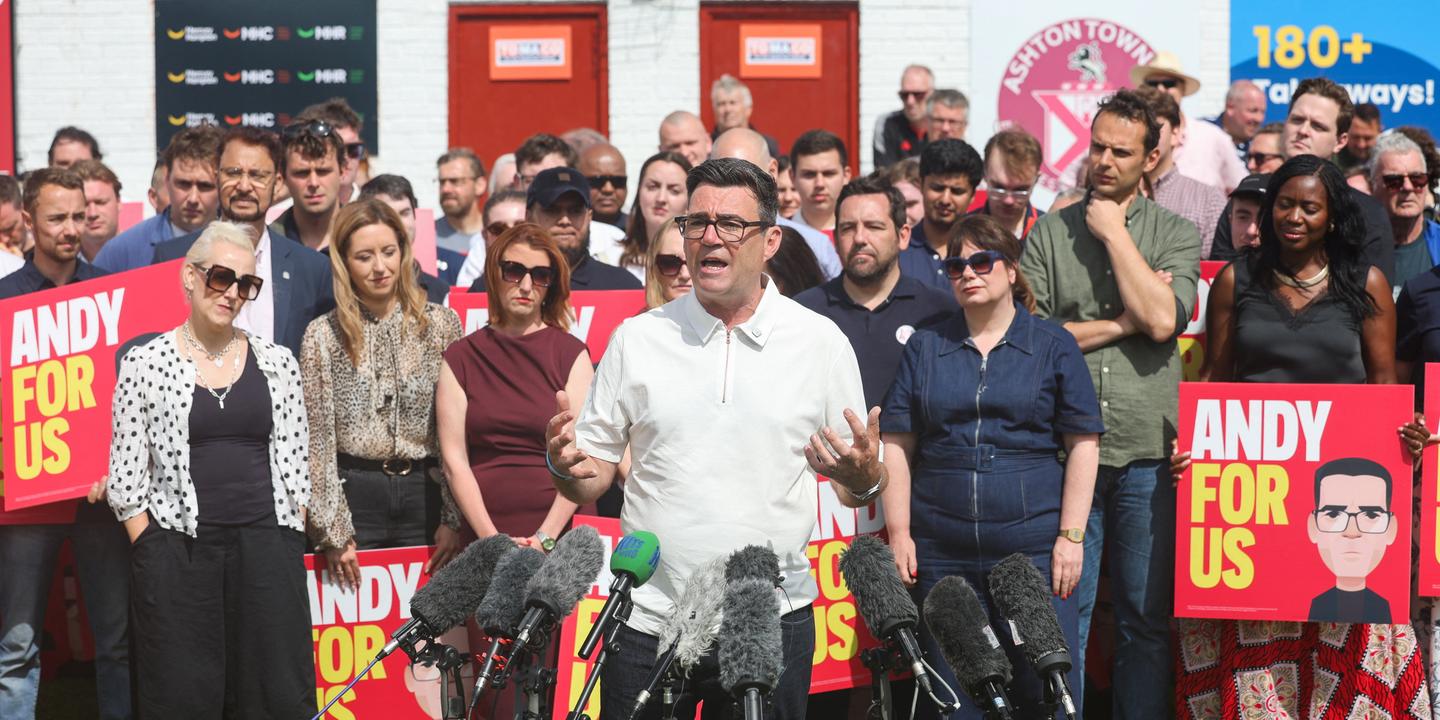
Burnham’s supporters believe that he represents a form of Labour politics that combines traditional values with modern leadership. They argue that he understands the challenges faced by ordinary communities and offers a style of politics that feels closer to people’s daily experiences. At a time when trust in politicians has declined, they see him as a leader who can reconnect Labour with voters who feel ignored by Westminster.
Andy Burnham’s political career has developed across several stages. Before becoming Mayor of Greater Manchester, he served as a Member of Parliament and held senior positions in government, including roles connected to health and social policy. This experience has given him a broad understanding of national politics while also allowing him to develop a reputation for focusing on local issues.
One of the main reasons supporters back Burnham is his emphasis on regional inequality. He has repeatedly argued that too much power and investment remain concentrated in London and that other parts of the country deserve greater influence over decisions affecting their communities. His campaign for greater devolution has become a central part of his political identity.
For many voters in northern England, this message has particular importance. Some communities have experienced decades of economic change, including the decline of traditional industries and uneven levels of investment. Supporters argue that Burnham understands these challenges because he has focused on creating policies that respond to local needs rather than relying only on decisions made in national government.
A major part of Burnham’s appeal is his emphasis on practical solutions. Supporters often highlight his work on transport, housing, employment, and public services in Greater Manchester. They argue that voters are increasingly less interested in political slogans and more interested in whether leaders can deliver improvements in their everyday lives.
This practical approach has helped Burnham appeal to people who may not always agree on every political issue. Some supporters describe him as a politician who can unite different parts of Labour’s traditional coalition, including working-class voters, public service workers, and younger people concerned about social and economic issues.
The idea that Burnham is “the future of the Labour Party” reflects a wider debate about Labour’s identity. For many years, the party has struggled with questions about how to balance its historic commitment to equality and workers’ rights with the need to win elections in a changing political environment.
Some Labour members believe the party must focus strongly on progressive policies and addressing inequality. Others argue that Labour must appeal to a broad range of voters by demonstrating competence, economic responsibility, and an understanding of national concerns. Burnham’s supporters believe he offers a way to combine these priorities.
They argue that his political style avoids some of the divisions that have affected Labour in recent years. Rather than presenting himself through ideological labels, Burnham often focuses on outcomes and practical improvements. His supporters believe this makes him more appealing to voters who are tired of political conflict.
Another important part of Burnham’s popularity is his communication style. Supporters often describe him as approachable and willing to challenge central government when he believes local interests are being overlooked. During his time as Mayor of Greater Manchester, he has gained attention for speaking directly about regional concerns and defending local decision-making.
However, not everyone believes Burnham is the answer to Labour’s future. Critics argue that popularity in Greater Manchester does not automatically translate into success across the entire country. A national political leader must appeal to voters in many different regions with different priorities.
Some also question whether Burnham’s approach would fit the demands of leading a national government. Being a successful mayor involves different responsibilities from being Prime Minister or leading a major political party. National leadership requires dealing with issues such as foreign policy, national security, and the wider economy.
There are also questions about whether Labour should rely too heavily on individual personalities. Political parties require strong ideas, effective organisation, and clear policies. While a popular leader can inspire voters, long-term success depends on more than one person.
Despite these criticisms, Burnham’s supporters believe his greatest strength is his ability to connect with people who have become disconnected from politics. They argue that many voters are looking for politicians who understand local experiences and who can demonstrate real-world results.
This argument has become increasingly important because traditional party loyalties have weakened. In previous decades, many voters strongly identified with one political party for life. Today, voters are more likely to change their support depending on issues, leadership, and perceptions of competence.
Burnham’s supporters believe that he represents the kind of leader needed in this new political environment. They see his emphasis on communities, public services, and regional empowerment as a way for Labour to rebuild trust and broaden its appeal.
The debate over Burnham’s future also reflects wider questions about the relationship between London and the rest of the United Kingdom. His supporters argue that Britain needs a more balanced political system where regions have greater control and recognition. They believe that Labour can lead this change by embracing a more decentralised approach.