

MPs Demand Action After Afghan Allies Were Left in Danger Following Taliban Takeover
A group of British MPs has called on the UK government to address serious failures that left many Afghan allies facing danger after the Taliban returned to power in 2021. The demand comes amid continued concerns over the fate of people who supported British forces and institutions during the long Afghanistan conflict, including interpreters, contractors, civil society workers and others who now fear for their safety.
The withdrawal of international forces from Afghanistan marked one of the most dramatic moments in recent foreign policy history. After almost two decades of military involvement, the Taliban rapidly regained control of the country in August 2021 as Afghan government forces collapsed. The speed of the takeover created a chaotic evacuation effort, with thousands of people attempting to leave through Kabul’s airport under extremely difficult conditions.
For many Afghans who had worked alongside the UK, the collapse of the previous government created immediate fears of retaliation. MPs and human rights groups have argued that some individuals who had risked their lives supporting British efforts were not evacuated quickly enough or were left uncertain about whether they would receive protection.
The parliamentary criticism focuses on whether the UK government had adequate plans in place before the withdrawal and whether the evacuation and resettlement programmes were implemented effectively.
During Britain’s involvement in Afghanistan, thousands of Afghans worked with UK military forces and diplomatic organisations. Their roles varied widely, from interpreters who accompanied soldiers on dangerous missions to staff members who supported development projects, security operations and humanitarian programmes.
Many of these individuals were considered essential partners by British officials. They often worked in environments where cooperation with foreign forces could make them targets for militant groups.
Following the Taliban takeover, concerns increased that former employees of Western governments could face harassment, imprisonment or violence. Although the Taliban announced general amnesties after taking power, reports from international organisations have continued to document allegations of abuses against some former security personnel and others associated with the previous government.
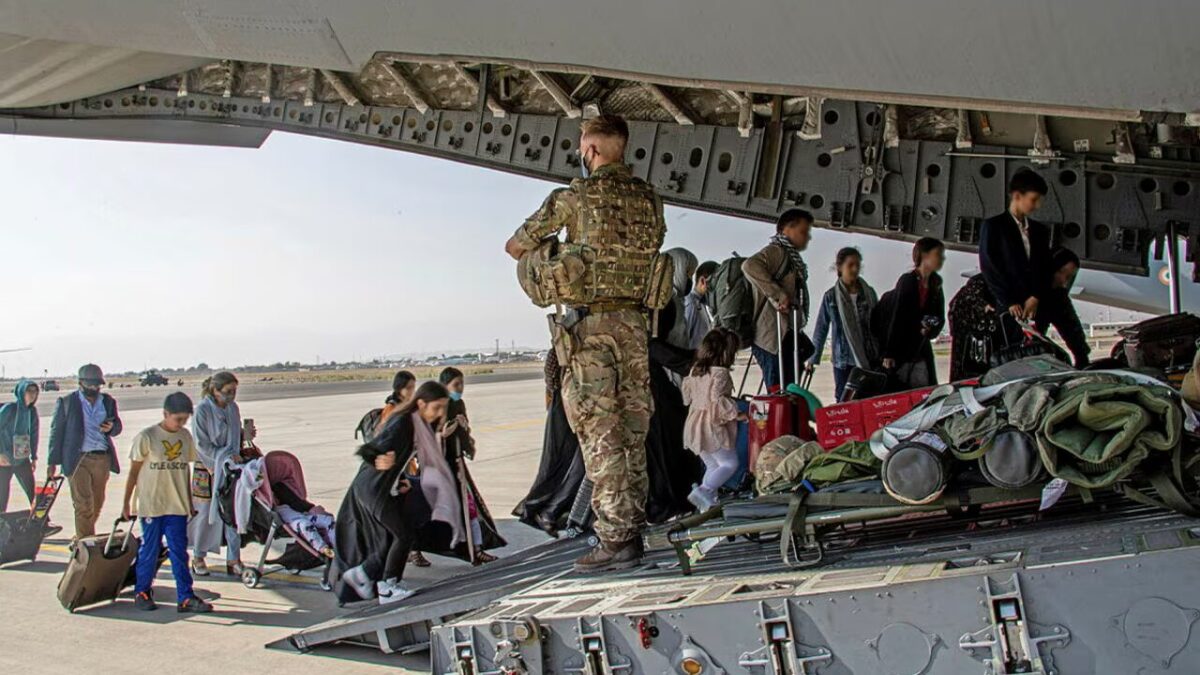
The UK’s evacuation operation, known as Operation Pitting, successfully brought thousands of people out of Afghanistan in August 2021. It was one of Britain’s largest military evacuation missions since the Second World War. However, the operation also became controversial because many eligible Afghans were unable to reach the airport before the evacuation deadline.
The chaotic scenes at Kabul airport, including crowds gathering outside the gates and desperate attempts to escape the country, shocked people around the world. Images of families trying to board evacuation flights became a symbol of the humanitarian crisis that followed the Taliban’s advance.
MPs examining the UK’s response have argued that lessons must be learned to prevent similar failures in future conflicts. They have called for greater transparency, improved planning and stronger systems for protecting local partners who assist British operations overseas.
The issue has also raised questions about the moral responsibilities of countries that rely on local allies during military and diplomatic missions. Critics argue that governments have an obligation to protect people who take significant personal risks by supporting their objectives.
Supporters of stronger action say that trust is essential in international operations. If local partners believe they may be abandoned after helping foreign governments, future missions could become more difficult because potential allies may hesitate to cooperate.
Government officials have defended aspects of Britain’s response, pointing to the thousands of Afghan citizens who have been evacuated and resettled through different programmes. They have argued that the situation in Afghanistan developed rapidly and created unprecedented logistical challenges.
However, critics maintain that some problems existed before the Taliban takeover. They argue that warnings about a possible collapse of Afghan institutions were not adequately addressed and that relocation procedures for vulnerable Afghans were too slow and complicated.
One of the main concerns has been the complexity of visa and relocation systems. Applicants often needed to provide extensive documentation proving their connection to British operations. For people hiding from potential threats, gathering official paperwork could be extremely difficult.
Security checks, administrative delays and changing circumstances created additional obstacles. Some Afghan families reportedly waited months or years for decisions while facing uncertain conditions.
The debate has continued because Afghanistan remains a major example of the challenges involved in foreign intervention and withdrawal. The experience has influenced discussions about how governments should plan future overseas missions and support local partners.
For many Afghan allies and their families, the issue is not only about past decisions but also about their current situation. Some remain outside Afghanistan waiting for relocation, while others who stayed behind continue to face difficult circumstances under Taliban rule.
Human rights organisations have repeatedly urged governments to maintain support for vulnerable Afghans, including women activists, journalists, former officials and members of minority communities who may face additional risks.
The situation has also become a political issue in Britain. Opposition politicians have used parliamentary debates to question government decision-making, while ministers have defended their record and highlighted the complexity of managing an emergency evacuation during a rapidly changing conflict.
Beyond party politics, however, many MPs agree that protecting allies who supported British missions should be a priority. The debate reflects wider concerns about Britain’s reputation as a reliable partner on the international stage.
Military veterans and former officials have also spoken about the importance of honouring commitments made to Afghan colleagues. Many British soldiers who served in Afghanistan developed close relationships with local interpreters and support staff, describing them as vital members of their teams.
For them, the treatment of Afghan allies is closely connected to the values that Britain claims to represent, including loyalty, responsibility and respect for those who assist its missions.
The lessons from Afghanistan are likely to influence British foreign policy for years to come. Future governments may face similar situations in which local individuals provide support during international operations and later require protection when circumstances change.
The challenge is creating systems that are fast enough to respond during crises while maintaining necessary security checks and administrative standards.
As MPs continue to call for action, the central question remains how Britain can ensure that those who stood alongside its forces are not forgotten. The Afghanistan withdrawal demonstrated the complexity of modern conflicts, but it also highlighted the human consequences of political and military decisions.
For Afghan allies who remain at risk, promises of support must be matched by practical assistance. The ongoing debate is therefore not only about reviewing past mistakes but also about determining how governments can better protect those who place their trust in them during times of conflict.