
Russia ‘Planning Horror Attack on UK’ as 30 Locations in the Firing Line
Britain has been placed under renewed scrutiny following alarming warnings from Russia about the possibility of military strikes against British defence facilities and infrastructure. Reports identifying approximately 30 locations across the United Kingdom as potential targets have raised fresh concerns about national security and the growing risk of confrontation between Moscow and NATO.
The warnings come amid increasingly hostile relations between Russia and Britain over the ongoing war in Ukraine. Moscow has repeatedly criticised the British government’s decision to provide military assistance to Kyiv, particularly its support for long-range weapons and the development of advanced military technology.
The situation has attracted considerable attention because the United Kingdom is one of Ukraine’s most important Western supporters. Russian officials have warned that British military installations and facilities connected to the production of weapons could face retaliation if Ukrainian forces continue using British-supplied equipment against Russian territory.
Although the reports have created considerable public anxiety, it is important to distinguish between potential military targets discussed by Russian officials and locations confirmed to be part of an authorised attack plan.
Russia’s Threats Raise Alarm Across Britain
Tensions intensified following statements from Russian Foreign Ministry spokeswoman Maria Zakharova, who warned that British military facilities and equipment could become targets if Ukraine continued conducting attacks using British weapons.
Her comments followed Britain’s decision to provide Ukraine with access to technology connected to the production of Storm Shadow cruise missiles.
Moscow described the decision as a dangerous escalation and accused London of becoming increasingly involved in the conflict.
Zakharova warned that British military installations in Ukraine and beyond its borders could face retaliatory action.
The statements were widely interpreted as a direct warning to the British government.
According to international reporting, Moscow believes that the supply of advanced weapons increases the risk of Western involvement in military operations against Russia.
Britain has rejected the pressure and maintained its commitment to supporting Ukraine.
The disagreement has become another example of the deteriorating relationship between the two countries.
Thirty Locations Reportedly Identified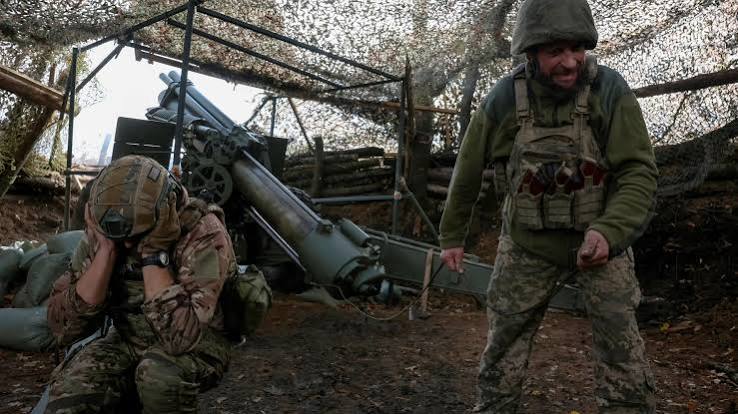
The latest controversy concerns reports that approximately 30 British locations could potentially be exposed to Russian military action in the event of a wider conflict.
These locations are associated with different aspects of Britain’s defence infrastructure, including military establishments, aviation facilities and defence-related industries.
The United Kingdom has more than 2,000 military establishments and sites, although these vary considerably in size, function and operational importance.
The Royal Air Force also operates a network of stations supporting aircraft operations, training, logistics and national defence.
Some reports have highlighted well-known military establishments, including Aldershot Garrison, Colchester Garrison, Salisbury Plain, Catterick Garrison and Beacon Barracks.
RAF Brize Norton and RAF Coningsby have also attracted attention because of their roles within Britain’s military aviation network.
However, the appearance of a military facility on a map does not establish that Russia has officially selected it for an attack.
The reported locations should therefore be understood as part of wider discussions about Britain’s defence infrastructure rather than a confirmed list of Russian strike targets.
Why Has Russia Become Increasingly Hostile Towards Britain?
The main reason behind the latest tensions is Britain’s continued military support for Ukraine.
Since February 2022, the British government has provided Kyiv with military equipment, financial assistance, training and diplomatic support.
This assistance has included advanced weapons designed to help Ukrainian forces defend their territory and challenge Russian military operations.
One of the most sensitive developments involves the Storm Shadow cruise missile.
The weapon was developed through British-French cooperation and has given Ukraine additional long-range strike capabilities.
Russia has repeatedly warned Western governments against supplying weapons that can be used against targets inside Russian territory.
Moscow argues that the involvement of Western military technology creates a serious risk of direct confrontation.
Britain, however, maintains that Ukraine has the right to defend itself against Russian aggression.
This fundamental disagreement continues to drive tensions between the two countries.
Putin’s Position Adds to Security Concerns
Russian President Vladimir Putin has also made statements that have attracted attention in Britain.
When questioned about the possibility of military action against British facilities, Putin reportedly responded that the matter was a military secret.
The comment was interpreted by some observers as deliberately ambiguous.
However, it did not confirm that an attack against British territory had been authorised.
Putin’s government has repeatedly attempted to discourage Western countries from increasing their military assistance to Ukraine.
At the same time, British officials have maintained that Russia should not be allowed to determine the foreign policy decisions of sovereign countries through threats.
The disagreement demonstrates the difficulty of managing relations between two countries whose positions on the Ukraine war remain fundamentally different.
The Danger of a Wider NATO-Russia Conflict
The possibility of a direct military confrontation between Russia and Britain is particularly serious because the United Kingdom is a member of NATO.
Article 5 of the NATO treaty establishes the principle of collective defence, meaning that an armed attack against one member is treated as an attack against all members.
This does not mean that every incident automatically produces an identical military response from every country.
However, it means that a major attack against British territory could have consequences extending across the entire alliance.
Russia and NATO possess substantial conventional and nuclear military capabilities.
A direct confrontation could therefore create an international crisis involving several major powers.
The danger of escalation is one reason why governments continue to emphasise deterrence, diplomatic communication and military cooperation.
Even during periods of severe political tension, maintaining communication channels can help prevent misunderstandings and unintended escalation.
Could British Military Facilities Become Targets?
Military facilities are often discussed in strategic assessments because they support national defence capabilities.
However, there is a major difference between identifying military infrastructure as potentially relevant in a hypothetical conflict and confirming that a country has decided to attack it.
Russia’s public statements have focused particularly on British facilities connected to military support for Ukraine.
These warnings have included installations and equipment both inside and outside Ukrainian territory.
Nevertheless, there is no publicly verified evidence that Moscow has approved an operational plan to strike 30 specific locations across Britain.
The British government and defence authorities continue to monitor international security developments.
Their responsibilities include assessing potential threats, protecting national infrastructure and maintaining cooperation with NATO partners.
What Would an Attack Mean for Ordinary British Families?
News about possible military threats can naturally create anxiety among ordinary people.
Families may worry about the safety of their homes, their children and the future of the country.
A major military confrontation could also have serious economic consequences.
International financial markets might become unstable, energy prices could rise and businesses could experience disruption.
Transport networks, international trade and supply chains could also face difficulties during a prolonged crisis.
The psychological impact could be significant, particularly if threatening statements were repeatedly broadcast across television and social media.
However, residents should not assume that a military facility appearing in a newspaper graphic means their surrounding community is facing an immediate danger.
Official government information and emergency guidance remain the most reliable sources for understanding genuine security risks.
Britain’s Defence Strategy and NATO Cooperation
The United Kingdom has continued strengthening its defence capabilities as security conditions across Europe have changed.
Cooperation with NATO allies remains central to British national security policy.
This includes intelligence sharing, military exercises, investment in advanced technology and maintaining the country’s nuclear deterrent.
Britain also works closely with European partners to strengthen regional security and support Ukraine.
The government’s position is that military assistance is intended to help Ukraine defend itself and discourage further Russian aggression.
However, policymakers must also consider the wider consequences of their decisions.
Maintaining support for Ukraine while avoiding a direct confrontation with Russia remains a difficult strategic challenge.
The effectiveness of diplomacy and international cooperation will therefore remain essential.
Conclusion
Russia’s warnings about potential military strikes against British interests have renewed concerns about the security of the United Kingdom.
Reports identifying approximately 30 locations associated with British military and defence infrastructure have attracted particular attention.
The situation has developed amid continuing disagreements over Britain’s military support for Ukraine, especially the supply of advanced weapons and technology.
Russian officials have warned that British military facilities could become targets, while London has maintained its commitment to supporting Kyiv.
Nevertheless, there is an important distinction between political threats, hypothetical military scenarios and confirmed attack plans.
There is currently no publicly verified evidence that Russia has authorised an attack against 30 specific British locations.
Ultimately, the priority for Britain and its NATO allies must be to protect national security while preventing the conflict in Ukraine from developing into a direct confrontation between nuclear-armed powers.
Diplomacy, military preparedness and responsible international cooperation will remain essential to maintaining peace and stability across Europe.