
Rupert Lowe reads shocking grooming gang transcript aloud during Parliament session
During a session in Parliament, Member of Parliament Rupert Lowe read aloud a series of graphic testimonies from victims of grooming gangs, drawing on transcripts from independent inquiry hearings. Lowe began his address by thanking the 260,974 British men and women who signed a petition to make the debate possible, and he welcomed survivors seated in the hall. He stated that the debate was about them and urged Parliament to listen to the testimonies and act.

Lowe read the first testimony, which described a victim who was penetrated by a man, after which the perpetrator picked up an empty bottle of Jack Daniels, forced it inside the victim, and broke the glass. The victim stated that at the time of the assault, she was about 12, nearly 13 years old. In another excerpt, a survivor recounted being held down by men who took turns orally and vaginally raping her, pinning down her arms and legs, and later threatening to kill her and harm her loved ones if she told anyone.

Further testimonies included references to comments made by perpetrators suggesting that white Christian girls were viewed as having fewer morals, while Muslim girls were described as having dignity and higher moral standing. One survivor described how a woman, who was white and had married into the family, shouted obscenities during sentencing, calling the victims “Fucking liars, lying white bitches,” and stating that God would be a witness. Another testimony indicated that race played a part in the selection of victims, noting that the girls encountered during exploitation were almost exclusively white.
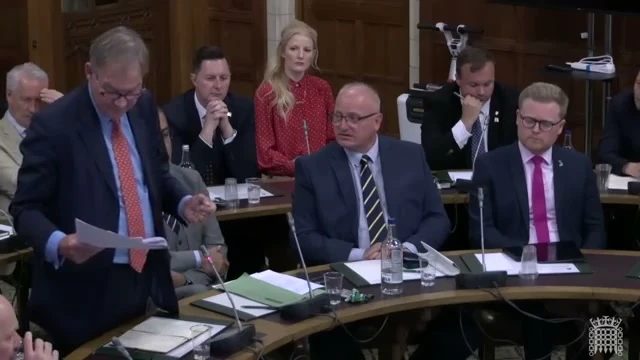
Additional accounts detailed a victim who had a baby with a man whose father was an imam; the father knew of the abuse and arranged for his son to marry, restricting access to the child. Another survivor stated that she was raped by multiple police officers in different parts of the country. A separate testimony described a perpetrator putting a cigarette out on a baby’s face. One victim reported being raped by approximately 600 to 700 different men over three years, starting when she was 13 years old.

Lowe also read accounts of children being taken from children’s homes by staff members, and a 15-year-old victim who was bleeding from both her vagina and back passage but was too afraid to tell hospital staff the truth, receiving only tablets before being discharged. Other testimonies mentioned that abuse escalated around Eid and holidays, with parties growing larger and more violent. A survivor described how her Christian cross was used to break her down, with perpetrators asking, “Where is your God now?” Another victim recalled seeing 15 to 20 girls locked in dog cages inside a van, and a separate account detailed a dog being brought in to rape a victim while men filmed and laughed. Lowe concluded by stating that the rape gang inquiry report would be released in the coming days and said, “It will change Britain for good.”
Labour MPs Furious Over Desperate Election Rule Changes Branded as Corrupt Bid to Cut Losses
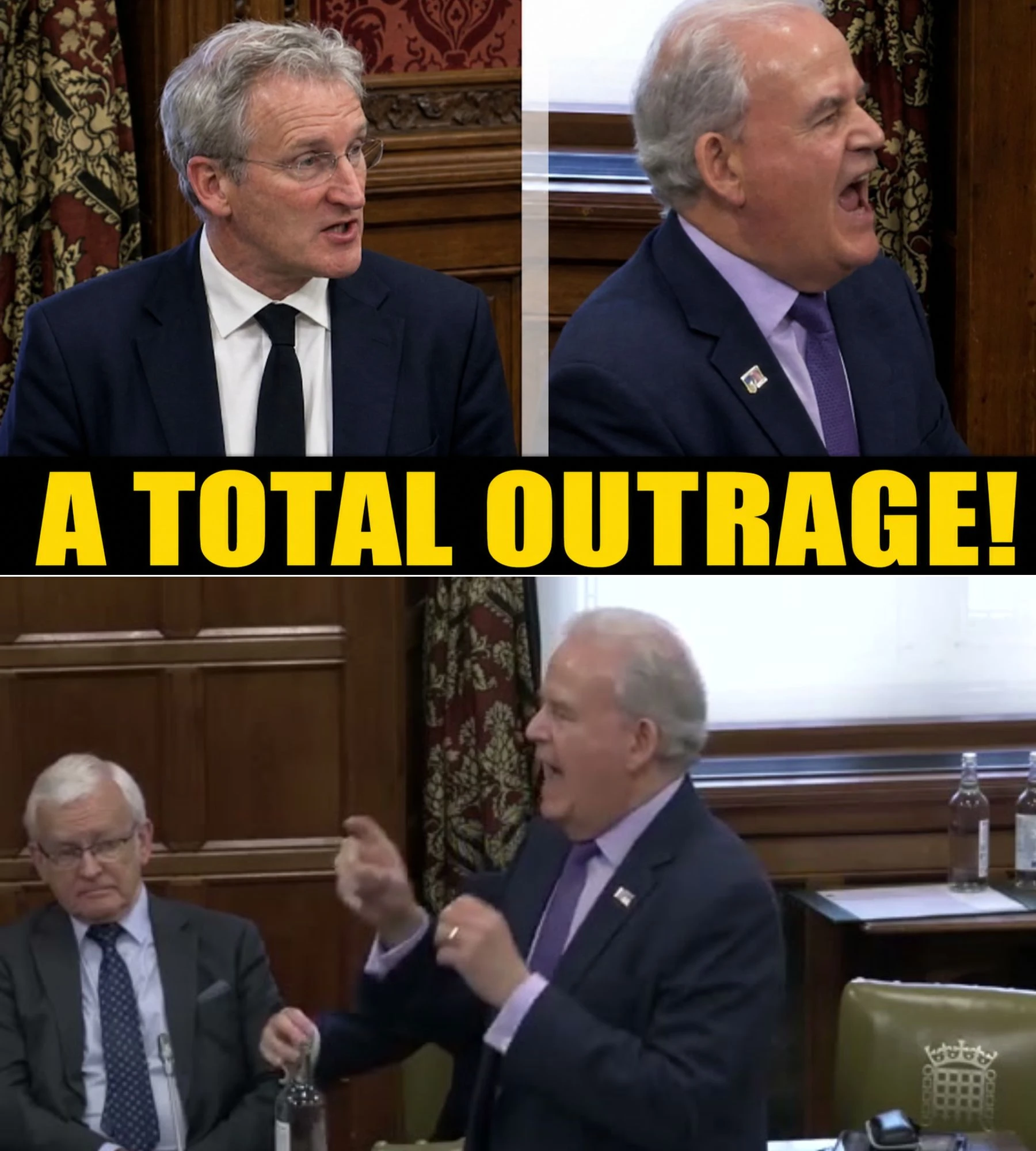
A heated parliamentary debate has erupted over proposed local government restructuring in Hampshire and Leicestershire, with opposition MPs accusing the Labour government of acting without a mandate and disregarding community identity. The debate, secured by the honorable member for Harbor, saw multiple speakers express outrage at what they described as a “desperate” attempt to redraw constituency and council boundaries without proper public consultation. The central complaint from MPs is that the changes were not included in Labour’s general election manifesto and were announced long after the election, undermining democratic principles.
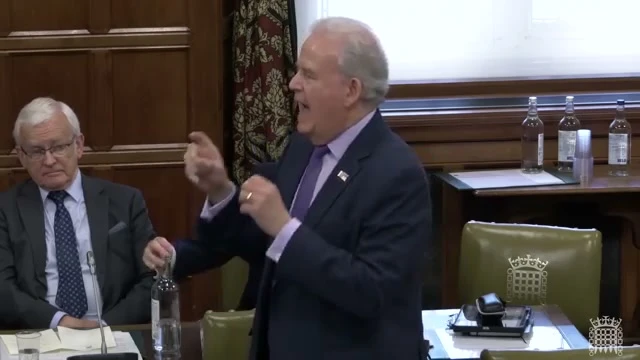
Sir Julian Lewis, representing New Forest East, led the criticism by detailing the impact on his constituency. He described the proposed merger of parts of the New Forest into the city of Southampton as a “naked land grab” that tears apart historic communities. Sir Julian noted that the changes split the New Forest constituency, pulling wards known collectively as the Waterside away from their traditional community. He emphasized that such boundary alterations are normally carried out by an impartial body like the Boundary Commission, but in this case, a “coach and horses” has been driven through local, cultural, and historic ties. To demonstrate public opposition, he cited an online petition that had gathered 22,812 signatures by 10:00 that morning, with paper signatures likely pushing the total well over 25,000.
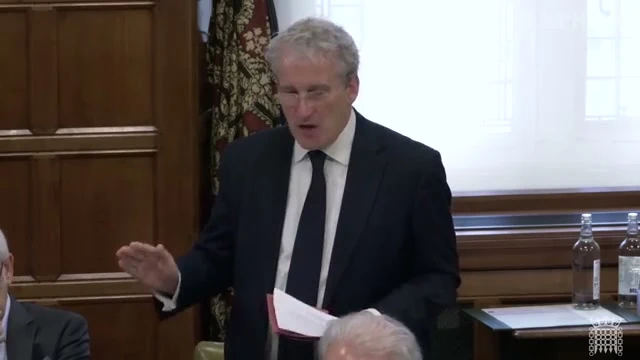
The debate also highlighted the government’s own stated criteria for reorganization, which MPs argue have been ignored. Sir Julian recalled that the original minister for Olden West had set out conditions including no unnecessary duplication, no fragmentation, and that new unitary authorities should be built from existing borough and district council areas unless there was a very strong reason for change. However, he stated that the only justifications provided have been vague comments about maximizing economic prosperity, which he called an excuse for any politically outrageous change. The honorable member for East Hampshire echoed this, noting that local leaders engaged with the process in good faith based on those criteria, only to see them disregarded.
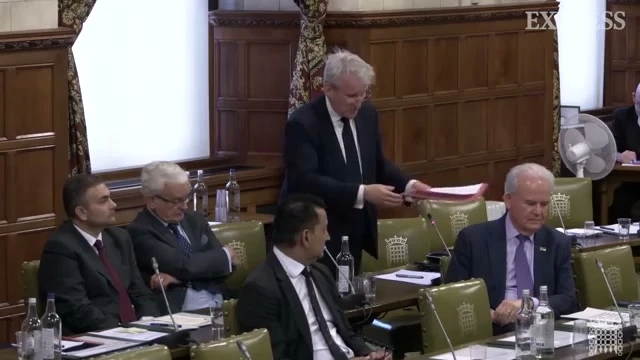
Further concerns were raised about the financial and operational logic of the plan. The member for East Hampshire pointed to a serious piece of work by Price Waterhouse Coopers regarding the minimum scale of 500,000 residents to deliver services effectively. He noted that in Hampshire, two proposed mainland authorities fall below that threshold, raising questions about sustainability. He also referenced a summary of conditions from Um Nick Adams King, the leader of Hampshire County Council, which demanded that any new structure be financially sustainable, capable of delivering high-quality services, and must reflect real communities without creating winners and losers. The MP stressed that the government has not revealed its own analysis or feasibility assessment for the chosen option, leading to a demand from 16 council leaders for the department to “show us your workings.”
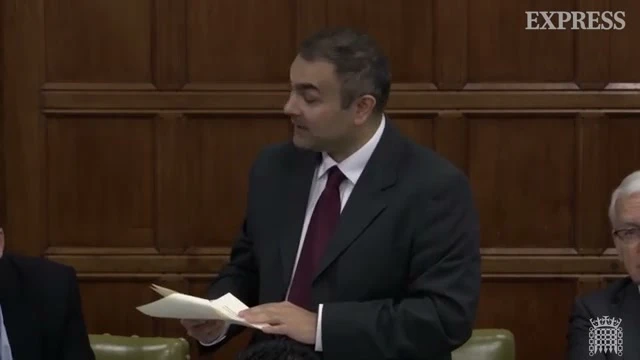
The issue of public consent dominated the latter part of the debate, with the member for Mid Bedfordshire focusing on the situation in Leicestershire. He described how constituents from villages like Burl and Glenfield, who moved away from Leicester City to escape crime and decline, now fear being forcibly reabsorbed into the city administration. He warned that an expanded Leicester City Council might concrete over green spaces like the former Western Park Golf Course instead of developing brownfield sites. The MP noted that a petition of over 10,000 signatures from villages surrounding Leicester City Council was presented by colleagues, and that he had tabled an amendment to the English devolution bill to require a resident referendum before any reorganization, an amendment the government did not take up. He concluded by promising to oppose any attempt to place his villages under Leicester City Council control.
During a session in Parliament, Member of Parliament Rupert Lowe read aloud a series of graphic testimonies from victims of grooming gangs, drawing on transcripts from independent inquiry hearings. Lowe began his address by thanking the 260,974 British men and women who signed a petition to make the debate possible, and he welcomed survivors seated in the hall. He stated that the debate was about them and urged Parliament to listen to the testimonies and act.
Lowe read the first testimony, which described a victim who was penetrated by a man, after which the perpetrator picked up an empty bottle of Jack Daniels, forced it inside the victim, and broke the glass. The victim stated that at the time of the assault, she was about 12, nearly 13 years old. In another excerpt, a survivor recounted being held down by men who took turns orally and vaginally raping her, pinning down her arms and legs, and later threatening to kill her and harm her loved ones if she told anyone.
Further testimonies included references to comments made by perpetrators suggesting that white Christian girls were viewed as having fewer morals, while Muslim girls were described as having dignity and higher moral standing. One survivor described how a woman, who was white and had married into the family, shouted obscenities during sentencing, calling the victims “Fucking liars, lying white bitches,” and stating that God would be a witness. Another testimony indicated that race played a part in the selection of victims, noting that the girls encountered during exploitation were almost exclusively white.
Additional accounts detailed a victim who had a baby with a man whose father was an imam; the father knew of the abuse and arranged for his son to marry, restricting access to the child. Another survivor stated that she was raped by multiple police officers in different parts of the country. A separate testimony described a perpetrator putting a cigarette out on a baby’s face. One victim reported being raped by approximately 600 to 700 different men over three years, starting when she was 13 years old.
Lowe also read accounts of children being taken from children’s homes by staff members, and a 15-year-old victim who was bleeding from both her vagina and back passage but was too afraid to tell hospital staff the truth, receiving only tablets before being discharged. Other testimonies mentioned that abuse escalated around Eid and holidays, with parties growing larger and more violent. A survivor described how her Christian cross was used to break her down, with perpetrators asking, “Where is your God now?” Another victim recalled seeing 15 to 20 girls locked in dog cages inside a van, and a separate account detailed a dog being brought in to rape a victim while men filmed and laughed. Lowe concluded by stating that the rape gang inquiry report would be released in the coming days and said, “It will change Britain for good.”
Labour MPs Furious Over Desperate Election Rule Changes Branded as Corrupt Bid to Cut Losses
A heated parliamentary debate has erupted over proposed local government restructuring in Hampshire and Leicestershire, with opposition MPs accusing the Labour government of acting without a mandate and disregarding community identity. The debate, secured by the honorable member for Harbor, saw multiple speakers express outrage at what they described as a “desperate” attempt to redraw constituency and council boundaries without proper public consultation. The central complaint from MPs is that the changes were not included in Labour’s general election manifesto and were announced long after the election, undermining democratic principles.
Sir Julian Lewis, representing New Forest East, led the criticism by detailing the impact on his constituency. He described the proposed merger of parts of the New Forest into the city of Southampton as a “naked land grab” that tears apart historic communities. Sir Julian noted that the changes split the New Forest constituency, pulling wards known collectively as the Waterside away from their traditional community. He emphasized that such boundary alterations are normally carried out by an impartial body like the Boundary Commission, but in this case, a “coach and horses” has been driven through local, cultural, and historic ties. To demonstrate public opposition, he cited an online petition that had gathered 22,812 signatures by 10:00 that morning, with paper signatures likely pushing the total well over 25,000.
The debate also highlighted the government’s own stated criteria for reorganization, which MPs argue have been ignored. Sir Julian recalled that the original minister for Olden West had set out conditions including no unnecessary duplication, no fragmentation, and that new unitary authorities should be built from existing borough and district council areas unless there was a very strong reason for change. However, he stated that the only justifications provided have been vague comments about maximizing economic prosperity, which he called an excuse for any politically outrageous change. The honorable member for East Hampshire echoed this, noting that local leaders engaged with the process in good faith based on those criteria, only to see them disregarded.
Further concerns were raised about the financial and operational logic of the plan. The member for East Hampshire pointed to a serious piece of work by Price Waterhouse Coopers regarding the minimum scale of 500,000 residents to deliver services effectively. He noted that in Hampshire, two proposed mainland authorities fall below that threshold, raising questions about sustainability. He also referenced a summary of conditions from Um Nick Adams King, the leader of Hampshire County Council, which demanded that any new structure be financially sustainable, capable of delivering high-quality services, and must reflect real communities without creating winners and losers. The MP stressed that the government has not revealed its own analysis or feasibility assessment for the chosen option, leading to a demand from 16 council leaders for the department to “show us your workings.”
The issue of public consent dominated the latter part of the debate, with the member for Mid Bedfordshire focusing on the situation in Leicestershire. He described how constituents from villages like Burl and Glenfield, who moved away from Leicester City to escape crime and decline, now fear being forcibly reabsorbed into the city administration. He warned that an expanded Leicester City Council might concrete over green spaces like the former Western Park Golf Course instead of developing brownfield sites. The MP noted that a petition of over 10,000 signatures from villages surrounding Leicester City Council was presented by colleagues, and that he had tabled an amendment to the English devolution bill to require a resident referendum before any reorganization, an amendment the government did not take up. He concluded by promising to oppose any attempt to place his villages under Leicester City Council control.