
Reform UK pledges to ban foreign nationals from claiming almost all benefits 
Reform UK Pledges to Ban Foreign Nationals from Claiming Almost All Benefits
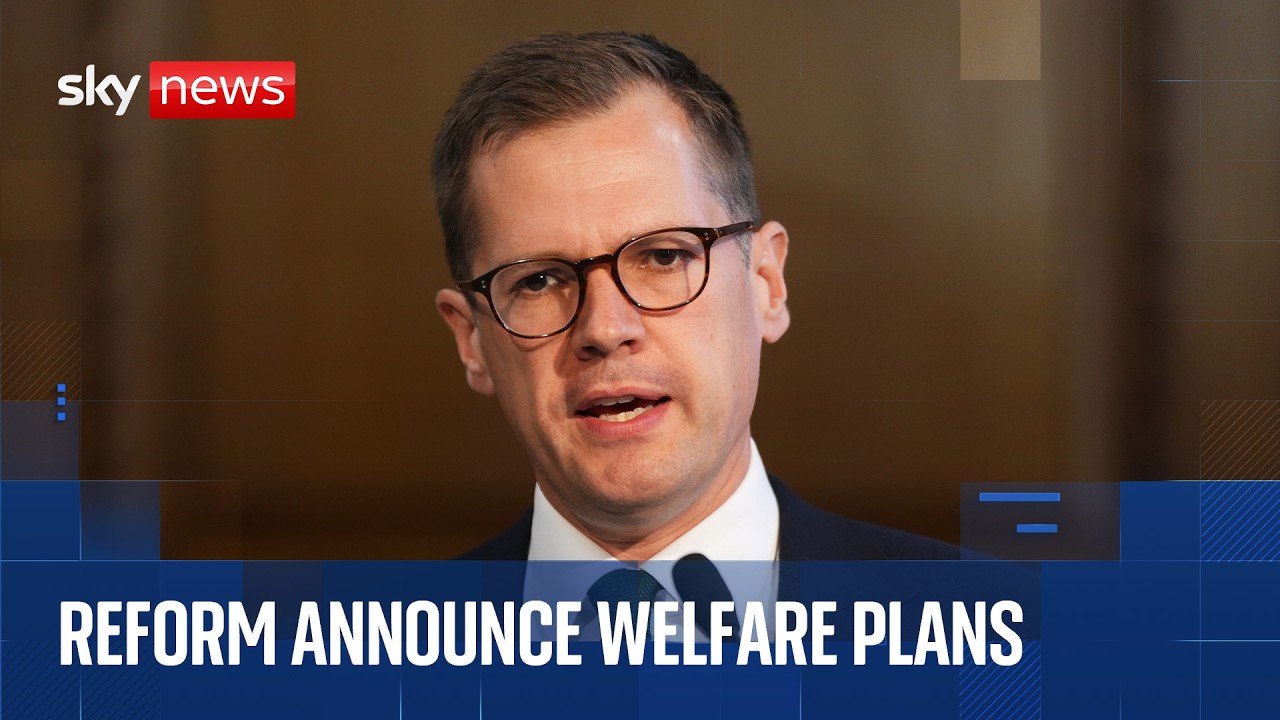
Reform UK has unveiled a controversial plan to transform Britain’s welfare system by restricting almost all benefits to British citizens. The proposal, announced in August 2026, represents one of the most significant welfare reforms put forward by the party and is part of a wider programme aimed at reducing public spending by tens of billions of pounds. Reform argues that the welfare state should primarily support British citizens who have contributed to the country through work and taxation. Critics, however, warn that the policy could discriminate against people who have lived and worked legally in Britain for many years and could create serious legal and diplomatic problems with the European Union.
Under the proposed policy, foreign nationals would be prevented from receiving a wide range of benefits, including Universal Credit, Housing Benefit, Pension Credit, Jobseeker’s Allowance, Child Benefit, taxpayer-funded free childcare and most disability payments. The proposal would apply not only to newly arrived migrants but also to some people who have already established long-term lives in Britain. Particularly controversial is the proposal to include European Union citizens who have settled status in the UK.
Reform UK presents the policy as a matter of fairness. The party argues that taxpayers should not be expected to finance benefits for people who are not British citizens, particularly those who have not made substantial contributions to the British economy. Robert Jenrick, Reform’s Treasury spokesperson, has argued that the welfare system should return to the principle of contribution associated with National Insurance. From the party’s perspective, restricting benefits to citizens would strengthen the connection between paying taxes and receiving state support.
The financial argument is central to the proposal. Reform claims that its restrictions on foreign nationals could eventually save approximately £21 billion a year. This forms part of a much broader programme that the party says could reduce welfare spending by around £50 billion annually. Reform has also proposed major changes to disability benefits and a new approach to long-term unemployment. The party says these measures are necessary because the welfare bill is becoming increasingly difficult for the country to afford.
The issue of migration has long been closely connected to political debates about welfare in Britain. Supporters of Reform UK believe that immigration has placed additional pressure on public services, housing and government finances. They argue that people who come to Britain should be expected to work, pay taxes and contribute before becoming eligible for extensive state support. In this view, restricting welfare access could create an additional incentive for migrants to become economically independent.
However, critics challenge the assumption that foreign nationals are responsible for a large proportion of welfare spending. According to analysis cited by Hyphen, the overwhelming majority of Universal Credit claimants are British citizens, with approximately 84.5 percent identified as UK citizens. Furthermore, many foreign nationals who could be affected by Reform’s proposal have lived in Britain for years, worked legally and paid taxes and National Insurance contributions.
This distinction is important because the phrase “foreign nationals” covers a very diverse group. It can include recent migrants, long-term residents, people with indefinite leave to remain and EU citizens with settled status. These individuals may have very different relationships with the British economy and welfare system. A person who has lived in Britain for twenty years and paid taxes throughout that period is clearly different from someone who has only recently arrived. A blanket restriction could therefore raise difficult questions about fairness and individual contribution.
The most complicated aspect of the proposal concerns Britain’s relationship with the European Union. EU citizens who obtained settled status after Brexit have rights protected under the UK-EU Withdrawal Agreement. Reform’s proposal appears to go beyond the existing arrangements by removing access to many benefits from people whose rights were previously protected. As a result, implementing the policy could require the British government to renegotiate parts of the agreement with the EU.
Such negotiations could have consequences for British citizens living elsewhere in Europe. If Britain restricted welfare rights for EU citizens in the UK, European governments could potentially respond by reconsidering comparable benefits available to British citizens living in EU member states. Reform has acknowledged that there could be consequences for British expatriates and has reportedly considered financial measures to help those who might be affected. Nevertheless, the possibility of another major dispute with Brussels could make the policy politically and diplomatically difficult to implement.
The foreign-national welfare proposal is only one part of Reform UK’s wider welfare strategy. The party has also proposed significant changes to disability benefits. It wants to abolish Personal Independence Payment, commonly known as PIP, and the health element of Universal Credit for working-age adults, replacing them with a new Health Security Allowance. Under the proposed system, financial assistance would be concentrated on people with the most severe and enduring conditions. Reform claims that its wider disability reforms could save billions of pounds, although critics fear that vulnerable people could lose essential financial support.
Another major element is Reform’s proposed “welfare to work” programme. Under this scheme, people who have claimed benefits for more than twelve months and are considered fit to work could be required to undertake approximately twenty hours of community work each week. Activities could include cleaning high streets and parks, helping maintain public facilities, supporting libraries and community centres, and carrying out other local tasks. People who refuse to participate could face sanctions or the loss of benefits.
Supporters believe this approach could change attitudes towards welfare by making a clear distinction between people who genuinely cannot work and those who are capable of employment but remain outside the labour market. They argue that long-term unemployment can damage both individuals and communities, while meaningful community work could provide people with experience, routine and a pathway back into employment.
Opponents, however, question whether compulsory community work is the right response to unemployment. They argue that people claiming benefits may face complex barriers to employment, including inadequate skills, caring responsibilities, health problems or a lack of suitable jobs. Simply threatening to remove benefits could increase poverty rather than encourage sustainable employment. There is also concern that unpaid compulsory work could replace properly paid jobs in local communities.
The political significance of Reform UK’s welfare policy is considerable. The party has built much of its support around concerns about immigration, taxation, government spending and national identity. Restricting welfare to British citizens combines all of these themes into a single political message: that citizenship should determine access to the benefits of the British state. This idea is likely to appeal to voters who believe that immigration has become too extensive and that the government should prioritise citizens.
At the same time, the proposal is likely to face strong opposition from Labour, the Conservatives and organisations representing migrants and vulnerable groups. Critics argue that the policy could punish people who have legally contributed to Britain and could create years of uncertainty through negotiations with the EU. Labour has warned that the proposal could affect people who have lived, worked and paid taxes in Britain for decades.
There is therefore a fundamental disagreement about what the welfare state is supposed to represent. Reform UK emphasises citizenship, contribution and fiscal responsibility. Its opponents emphasise residence, taxation, social solidarity and legal rights. Both sides appeal to the idea of fairness, but they define fairness in very different ways.
Ultimately, Reform UK’s proposal is much more than a technical change to welfare eligibility. It is a statement about who should benefit from the British state and what responsibilities come with living in the country. If implemented, it could save substantial amounts of public money according to Reform’s calculations, but it could also create legal, social and diplomatic challenges. The policy would especially affect long-term foreign residents and EU citizens whose rights were established after Brexit.
The debate is therefore likely to continue well beyond the announcement itself. Britain faces genuine pressures from rising welfare costs, an ageing population, economic insecurity and persistent questions about immigration. Yet solving these problems requires more than simply identifying groups that should lose access to benefits. The government would also need to consider the contributions people make through employment and taxation, the rights they have acquired through years of residence, and the potential consequences for families and communities.
Reform UK’s proposal has succeeded in placing welfare and immigration once again at the centre of British political debate. Whether voters ultimately see it as a necessary restoration of fairness or as an excessive restriction on people who have contributed to Britain will depend largely on how the policy develops. What is clear is that any attempt to reserve almost all welfare benefits for British citizens would represent a major change in the relationship between citizenship, immigration and social security in modern Britain.