
Nigel Farage Under Fire Despite His Clacton By-Election Victory
Nigel Farage has won the Clacton by-election, but his victory has not ended the controversy surrounding him. Instead, his return to Parliament has brought renewed attention to his financial affairs, his decision to trigger the election and his increasingly dominant role within Reform UK. Farage secured 22,239 votes, representing 63.3% of the vote, while his nearest rival, the satirical candidate Count Binface, received 9,455 votes. Although the result was a clear victory, it took place in unusual circumstances because the major political parties chose not to contest the seat.
The Clacton election was created by Farage himself. In July, he resigned as the constituency’s MP and immediately announced that he would stand again. He described the contest as a battle between “the people” and the political establishment. His decision came while he was facing parliamentary scrutiny over financial gifts and other forms of support. Farage argued that the voters of Clacton should have the opportunity to judge him directly. In his view, winning the election would demonstrate that the public rejected the criticism directed at him by Parliament and the media.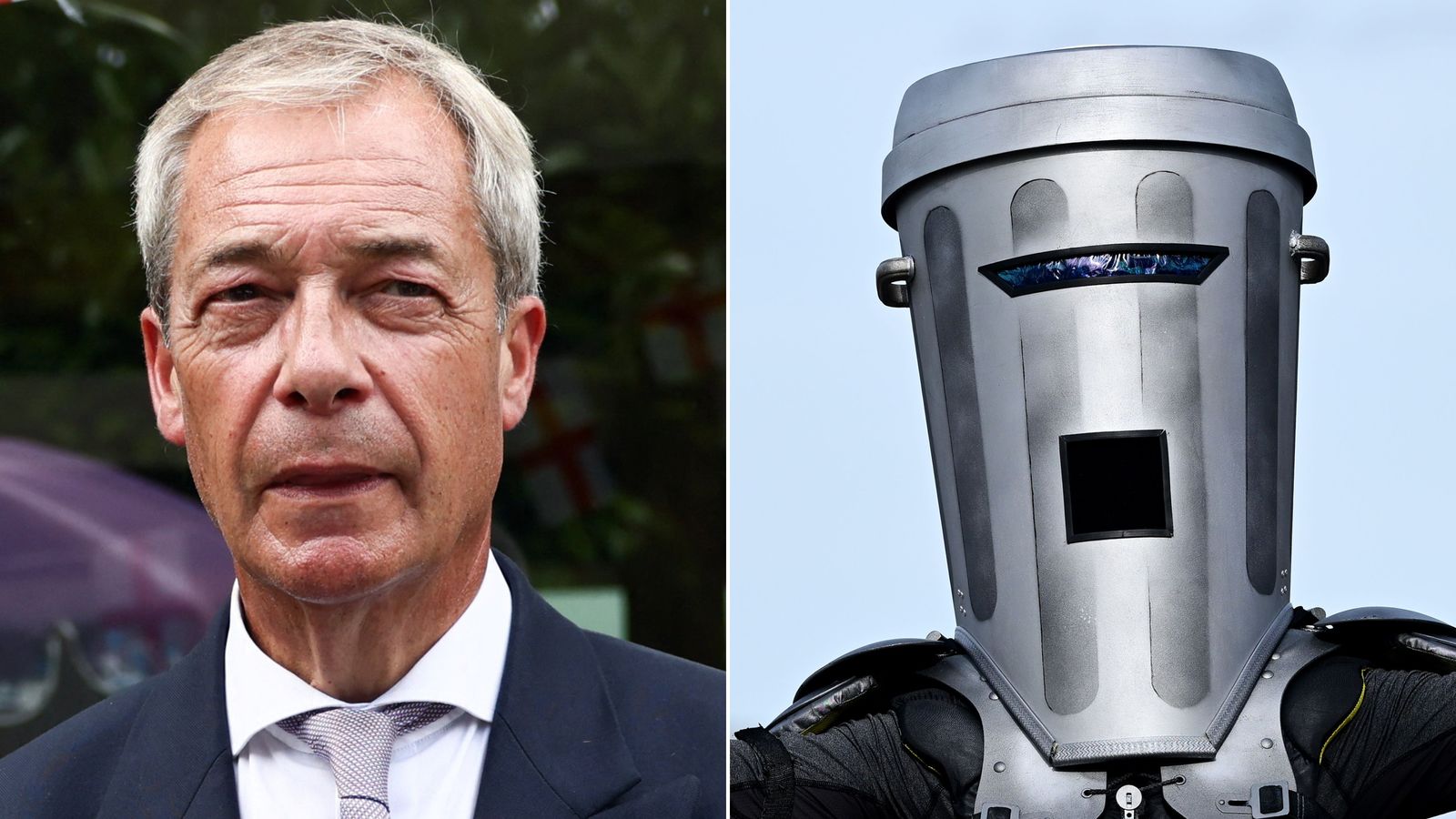
However, critics described the election as a political stunt. Labour, the Conservatives, the Liberal Democrats and other major parties decided not to field candidates. They argued that Farage had unnecessarily resigned from a seat he had already won and had forced taxpayers to pay for another election. By-elections cost hundreds of thousands of pounds, meaning that Farage’s decision created a significant public expense. This criticism is important because the election did not result from an ordinary political change, such as the death or retirement of an MP. Instead, it was deliberately created by the sitting MP himself.
Despite these criticisms, Farage achieved the result he wanted in one important respect: he returned to Parliament. His 63.3% share of the vote represented a substantial increase compared with his performance in the 2024 general election. The official parliamentary result records a majority of 12,784 votes and turnout of approximately 44%. This demonstrates that Reform UK has a strong electoral base in Clacton and that Farage remains personally popular among many voters in the constituency.
Nevertheless, the result should be interpreted carefully. Farage was not competing against Labour, the Conservatives or the Liberal Democrats. His principal challenger was Count Binface, a satirical political character created by comedian Jonathan Harvey. Count Binface received almost 9,500 votes, an unexpectedly strong performance for a novelty candidate. The result therefore cannot easily be compared with a normal general election in which voters have a genuine choice between several major political parties.
The presence of Count Binface also turned the election into something of a political spectacle. His campaign used humour to challenge Farage and mock the seriousness of the political establishment. Some voters may have supported him because they genuinely opposed Reform UK, while others may have used their vote as a protest. His strong performance demonstrates that there is considerable frustration and cynicism within the electorate. It also raises questions about whether traditional politicians are successfully connecting with voters.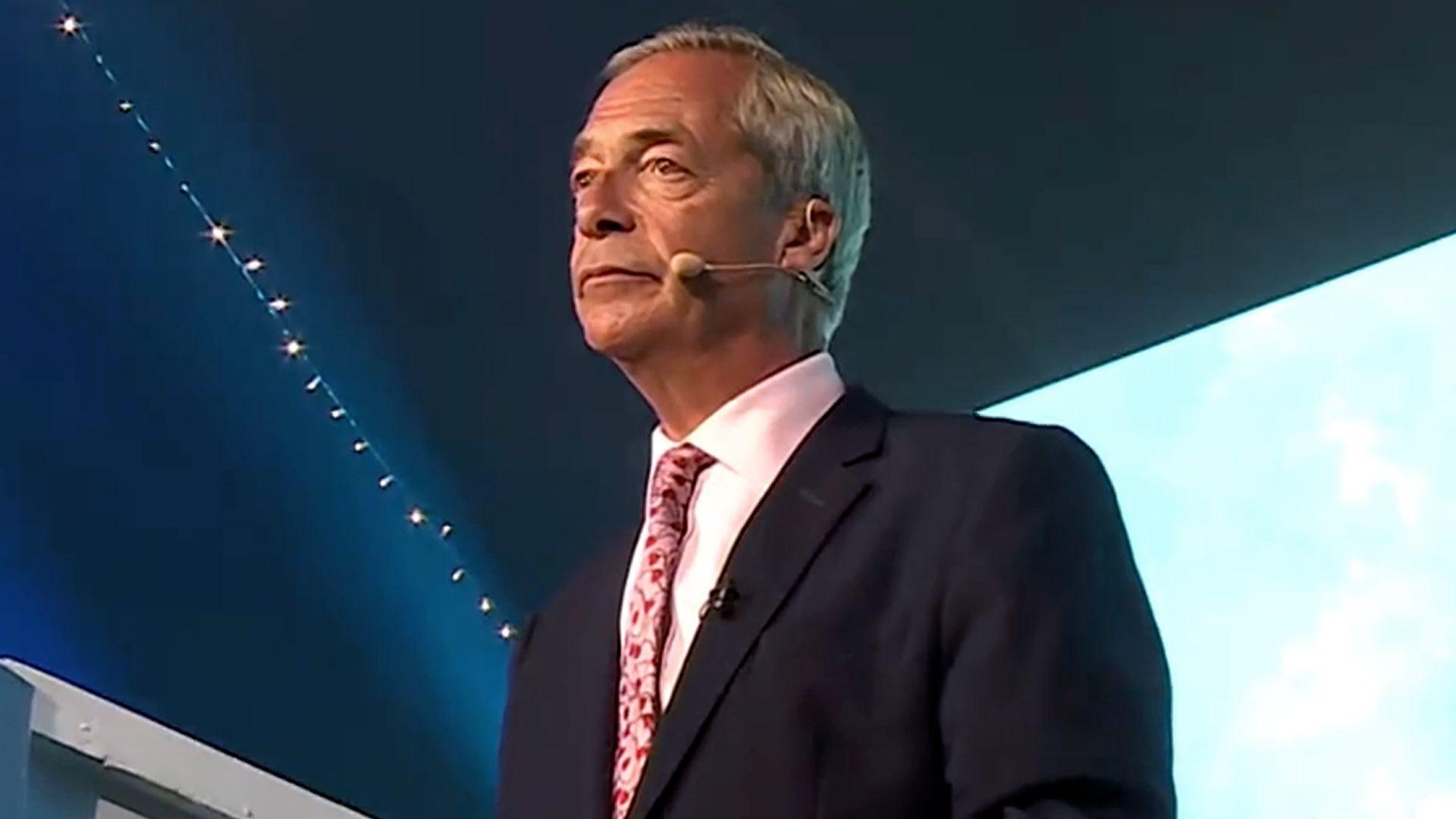
More seriously, Farage’s financial investigation has now resumed. The parliamentary standards inquiry had been paused while he was no longer an MP. His successful re-election means that the investigation can continue. Farage is under scrutiny concerning a £5 million gift from cryptocurrency billionaire Christopher Harborne, as well as other forms of support that have been referred to parliamentary authorities. Farage has denied wrongdoing and has argued that he followed the relevant rules. The investigation itself should not be interpreted as proof that he has committed an offence.
The investigation nevertheless represents a significant political problem for Farage. His public image is built around presenting himself as an outsider who challenges the Westminster establishment. He frequently argues that politicians should be transparent and accountable to ordinary citizens. Consequently, allegations involving large financial gifts are particularly damaging because they create a potential contradiction between his political message and his personal circumstances.
The timing is also significant. Farage deliberately presented the Clacton election as an opportunity for voters to judge him. He can therefore point to his victory as evidence that the electorate did not reject him. However, an election result cannot determine whether parliamentary rules have been broken. These are separate questions. Voters may support a politician while parliamentary authorities still have to establish whether that politician complied with financial disclosure requirements.
This distinction is essential for a healthy democracy. Politicians should not be considered guilty simply because they are investigated. At the same time, electoral popularity should not protect them from scrutiny. If Farage has complied with all relevant rules, the investigation should establish that clearly. If he has failed to comply, the appropriate parliamentary procedures should follow. The same standards should apply to politicians from every political party.
One of the most serious potential consequences is another election. If Farage were found to have breached parliamentary rules and received a suspension of more than ten sitting days, a recall petition could be triggered in Clacton. If at least 10% of registered voters signed the petition, another by-election would be required. Major political parties have indicated that they would be prepared to contest such an election if it occurred.
This possibility creates an extraordinary situation. Farage triggered a by-election to demonstrate that he had the support of the people of Clacton. He won decisively. Yet, depending on the outcome of the standards process, he could potentially face another election in the same constituency. This would make the original contest look even more unusual and could intensify criticism of his political strategy.
Farage’s decision not to attend the declaration of the result has also generated controversy. He said that police had warned him about an organised campaign intended to disrupt the event. However, ITV News reported that Essex Police had not told Farage or other candidates not to attend the count. Farage therefore declared victory without appearing at the formal declaration.
His absence was criticised by opponents because attending an election count is a traditional part of democratic politics. Candidates normally stand together and accept the result, whether they win or lose. By staying away, Farage created the impression that he wanted the publicity associated with victory without exposing himself to the possibility of an uncomfortable public confrontation. Supporters, however, can argue that personal safety should take priority and that politicians should not be forced to attend events if they genuinely believe there is a security threat.
The episode also highlights the increasingly personal nature of British politics. Reform UK is closely associated with Farage himself. His personality, public speaking style and political history are central to the party’s identity. This can be an advantage because voters know exactly what Farage represents. However, it can also be a weakness. If the party depends heavily on one individual, controversies surrounding that person can quickly become controversies surrounding the entire organisation.
There are already signs of internal tension within Reform UK. Tim Montgomerie, a former Conservative figure who joined Reform, was suspended after publicly criticising Farage and other senior members. He questioned Farage’s decision to skip the Clacton count and criticised the handling of the £5 million donation. The dispute suggests that the party is not completely united behind its leader.
This matters because Reform UK is attempting to move beyond being a protest movement and become a serious governing force. Winning votes is only one part of that process. A political party that hopes to govern Britain must demonstrate that it has competent leadership, clear policies and internal discipline. Continued disputes among senior figures could undermine the party’s credibility, particularly if Reform wants to challenge the major parties at future elections.
The Clacton result also demonstrates the complicated relationship between electoral success and political legitimacy. Farage can legitimately claim that the voters who participated in the election gave him a strong mandate. His share of the vote was impressive, and he received more than 22,000 votes. However, the circumstances of the election mean that the result should not automatically be interpreted as proof that Reform UK has broad national support.
Turnout was only around 44%, and the major Westminster parties were absent. This means that a significant number of eligible voters either did not vote or had limited choices. The result is therefore better understood as evidence of strong support for Farage in Clacton than as a comprehensive test of Reform UK’s popularity across Britain.
In my opinion, Farage’s victory is politically important but does not resolve the central questions surrounding him. He has demonstrated that he retains a strong electoral base, but his financial affairs remain subject to parliamentary scrutiny. His decision to trigger the election may have strengthened his position temporarily, but it also created unnecessary controversy and public expense.
More importantly, the investigation will test whether Farage is willing to accept the same standards of accountability that he expects from other politicians. A politician can legitimately challenge the establishment while still respecting democratic institutions. Criticising Parliament does not mean being exempt from parliamentary rules.
The future of Farage and Reform UK will therefore depend on what happens next. If the investigation clears him, he may argue that the controversy was politically motivated and use the outcome to strengthen his position. If the investigation finds serious breaches, however, the consequences could be much more damaging. A suspension and possible recall petition could put his newly regained seat at risk and create another political battle in Clacton.
In conclusion, Nigel Farage’s victory in the Clacton by-election is undeniable, but it is only part of the story. He won 63.3% of the vote and secured a majority of 12,784, confirming his strong position in the constituency. Yet his return to Parliament has also restarted the investigation into his financial affairs, while his absence from the count and internal disputes within Reform UK have generated further criticism.
The Clacton election may therefore prove to be less of an ending than a new beginning. Farage has won the right to return to Parliament, but he must now demonstrate that he can withstand scrutiny, manage his party and turn electoral popularity into effective political leadership. His victory may have silenced some critics temporarily, but it has certainly not ended the questions surrounding him. In British democracy, winning an election gives a politician a mandate—but it never gives them immunity from accountability.