

According to Armed Forces Minister Louise Jones, the upcoming exercise will draw former members of the Army, Royal Navy, and RAF from the UK’s 95,000-strong strategic reserve.
The objective is to verify whether these veterans can be rapidly contacted, mobilized, and equipped during a national crisis.
Minister Jones stated that the reserves would be exercised “on a scale we haven’t seen for a long time.”
Advertisement
The precise number of personnel expected to participate in the drill has not yet been confirmed.
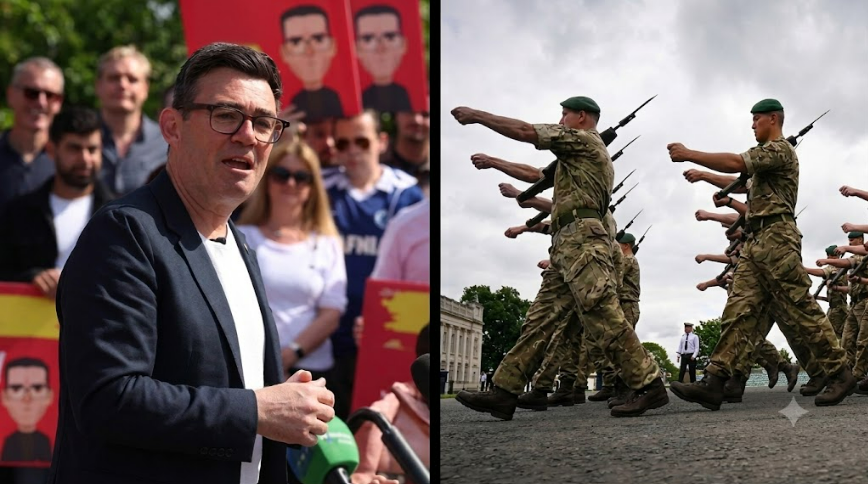
The large-scale test is intended to address concerns previously raised by senior defense figures, who have warned that the current system is ill-equipped to maintain accurate contact with personnel once they transition to civilian life.
Advertisement
The mobilization drill and the age extension policy arrive against a backdrop of increasing warnings from defense planners regarding the potential for a major conflict involving NATO and Russia before the end of the decade.
Western intelligence officials have highlighted the risks posed by Moscow’s alleged sabotage campaigns across Europe and direct threats to British factories producing drones for Ukraine, raising the specter of a miscalculation that could trigger a wider conflict.
Advertisement
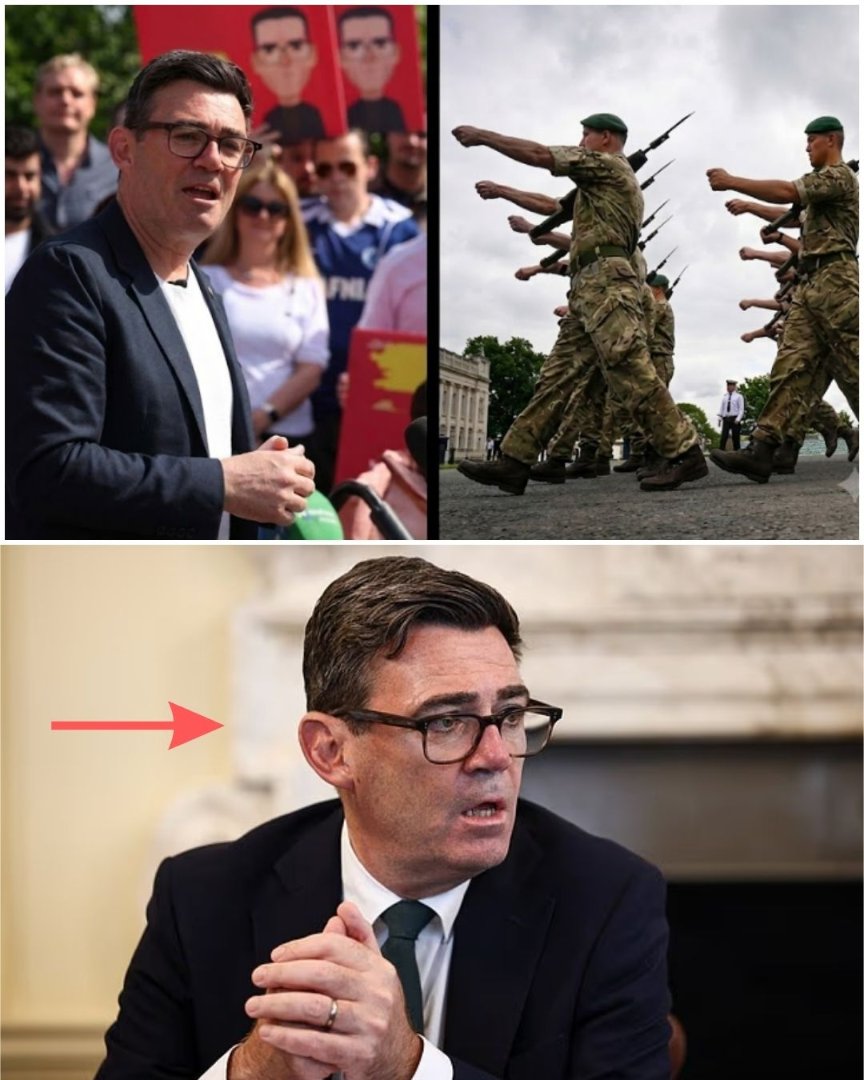
However, the government’s strategy faces intense scrutiny and pushback from domestic critics.
Detractors point out that the regular British Army currently sits at around 71,000 personnel—its smallest size in over two centuries—arguing that the reliance on recalling older veterans is a sign of desperation due to chronic underfunding and a depleted standing force.
Advertisement
Critics have also leveled harsh accusations at Prime Minister Andy Burnham and Chancellor John Healey, condemning the Labour government for failing to commit to spending 3% of GDP on defense.
Furthermore, online reactions suggest a potential resistance among some veterans to participate in the reserve test, citing grievances over the government’s historical handling of veterans’ affairs, particularly regarding legal protections for those who served in past conflicts like The Troubles.
Advertisement
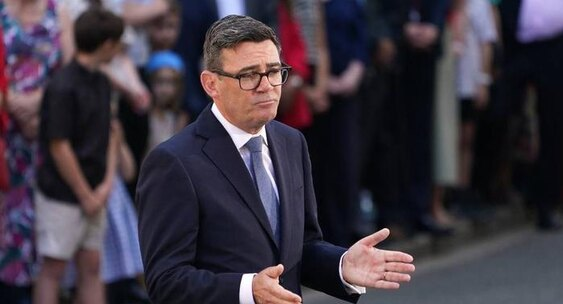
As the Ministry of Defence finalizes preparations for next year’s exercise, the government must navigate the dual challenges of reinforcing the UK’s deterrence posture against international threats while addressing growing internal discontent over the state of the armed forces and its veteran community.
MASSIVE MILITARY SHOCKWAVE: UK RULE CHANGE SPARKS VETERAN OUTRAGE! BRITISH ARMED FORCES FACE FRESH CONTROVERSY AS EX-SERVICE PERSONNEL DEMAND ANSWERS!
Britain’s military community has been thrown into another heated debate following controversy surrounding proposed changes to military rules and the treatment of former service personnel.
The issue has sparked anger among veterans who believe that the people who dedicated years of their lives to protecting the country deserve greater recognition, respect, and support.
For many former soldiers, sailors, and air force personnel, military service is not simply another career.
It represents years of discipline, sacrifice, separation from families, and exposure to dangerous situations.
That is why any change affecting military personnel can generate such powerful reactions.
The latest controversy has raised difficult questions about the relationship between the government, the Ministry of Defence, serving personnel, and the veteran community.
Critics are demanding greater transparency, while supporters of reform argue that military regulations must evolve to reflect changing security requirements and modern operational realities.
At the centre of the debate is a fundamental question: is Britain doing enough to protect the people who have spent their lives protecting the country?
WHY THE PROPOSED RULE CHANGE HAS CAUSED SUCH AN OUTCRY
Military regulations exist to maintain discipline, operational effectiveness, and accountability within the armed forces.
However, changing those regulations can have serious consequences for people who have served under previous arrangements.
Veterans are particularly concerned when new policies appear to affect their rights, recognition, benefits, or relationship with the military establishment.
Some believe that decisions made in Westminster do not adequately reflect the experiences of people who served on the front line.
Others argue that former service personnel are frequently praised during national ceremonies but receive insufficient practical support when they leave the armed forces.
These concerns have become increasingly important as Britain reassesses its defence priorities.
The precise implications of any proposed rule change must be established from the official Ministry of Defence announcement.
Nevertheless, the wider controversy reflects a long-running frustration within parts of the veteran community.
VETERANS DEMAND RESPECT AFTER YEARS OF SERVICE
For many veterans, the issue goes far beyond administrative procedures.
Military service can involve years away from home, dangerous deployments, demanding training, and difficult personal sacrifices.
Some personnel return to civilian life carrying physical injuries or psychological difficulties.
Others struggle to find suitable employment after leaving the armed forces.
Many veterans also experience difficulties accessing housing, healthcare, and specialist support.
These challenges can continue long after their military careers have ended.
Consequently, former service personnel often expect the government to recognise its continuing responsibilities towards them.
When new regulations or policy changes are announced without sufficient explanation, frustration can quickly develop.
Veterans want to know that their service is respected and that decisions affecting them are made fairly.
THE MINISTRY OF DEFENCE FACES PRESSURE TO EXPLAIN ITSELF
The Ministry of Defence now faces questions about how military policy changes are developed and communicated.
Military regulations must balance several competing priorities.
The armed forces need effective disciplinary systems, clear operational procedures, and strong standards of conduct.
At the same time, service personnel must be treated fairly and provided with appropriate protections.
The challenge is ensuring that reforms strengthen the armed forces without creating unnecessary uncertainty for serving personnel or veterans.
Critics argue that the government should consult affected communities before implementing major changes.
They believe that veterans should not discover important developments through headlines or social media discussions.
Instead, the Ministry of Defence should provide clear explanations of what is changing, why it is necessary, and who will be affected.
Transparent communication could help prevent misunderstandings and restore confidence.
BRITAIN’S MILITARY IS ALREADY UNDER CONSIDERABLE PRESSURE
The controversy comes at a time when Britain’s armed forces face a demanding international security environment.
The war in Ukraine, tensions involving Russia, instability in the Middle East, and growing concerns about cyberattacks have placed defence policy firmly on the national agenda.
Britain must maintain credible military capabilities while investing in modern equipment, personnel, training, and infrastructure.
The Royal Navy must protect maritime interests.
The British Army must maintain readiness for demanding operations.
The Royal Air Force must continue protecting British airspace and supporting allied operations.
All three services depend on experienced personnel.
Veterans also contribute significantly to national defence through training, specialist expertise, mentoring, and their experience of military operations.
This makes the relationship between the government and the veteran community particularly important.
A military establishment that loses the confidence of its former personnel risks weakening an important source of institutional knowledge and experience.
THE NATIONAL SERVICE DEBATE ADDS ANOTHER LAYER OF TENSION
Britain’s wider military debate has also been influenced by renewed discussions about national service and military recruitment.
Questions about whether young people should be encouraged or required to undertake some form of national service have attracted considerable political attention.
Supporters argue that a stronger culture of public service could improve discipline, social responsibility, and national resilience.
Critics question whether compulsory service would be practical or affordable.
Many veterans have also expressed concerns about the idea of introducing new military obligations while existing recruitment and retention challenges remain unresolved.
They argue that Britain should concentrate on improving conditions for professional service personnel before introducing ambitious new schemes.
Recruitment, retention, accommodation, pay, training, and family support remain important issues.
The armed forces need people who want to serve and who believe their contribution is valued.
ARE BRITISH VETERANS BEING LEFT BEHIND?
One of the most persistent criticisms of successive governments concerns the treatment of former military personnel after they leave service.
For some veterans, the transition into civilian life can be extremely difficult.
Military careers often provide a highly structured environment, clear responsibilities, and strong relationships between colleagues.
Leaving that environment can create practical and emotional challenges.
Finding employment is not always straightforward, particularly for people whose military qualifications are unfamiliar to civilian employers.
Others require specialist healthcare, rehabilitation, or support with housing.
Veteran organisations have repeatedly highlighted the importance of early intervention and coordinated services.
The government has introduced various support programmes, but questions remain about whether assistance is consistently available across the country.
Veterans want more than public statements recognising their sacrifice.
They want practical support that makes a measurable difference to their lives.
POLITICAL PARTIES FACE QUESTIONS OVER DEFENCE POLICY
The latest controversy could also become another political battleground.
Opposition politicians may use the issue to question the government’s commitment to Britain’s armed forces.
Labour will need to explain how any proposed changes fit into its wider defence strategy.
The Conservatives are likely to emphasise their own record on military spending and support for service personnel.
Reform UK may also seek to attract veterans who believe the political establishment has failed to deliver adequate support.
However, military policy should not become a competition involving dramatic promises that cannot be fulfilled.
The armed forces require long-term planning, stable funding, and policies based on operational requirements.
Veterans deserve honest explanations rather than political slogans.
WHAT NEEDS TO HAPPEN NEXT?
The immediate priority should be clarity.
The government must explain the precise nature of the rule change, its legal basis, and the people affected.
If veterans are concerned about their rights or entitlements, those concerns should be addressed through transparent consultation.
The Ministry of Defence should also ensure that serving personnel understand how any changes affect their responsibilities.
Independent veteran organisations can play an important role in communicating concerns and identifying unintended consequences.
Parliament should scrutinise significant policy changes and demand evidence that reforms are necessary, proportionate, and fair.
Most importantly, the government should avoid allowing misunderstandings to undermine confidence in Britain’s military institutions.
The armed forces depend on trust, discipline, and a shared sense of responsibility.
Those principles should apply not only to serving personnel but also to the way the country treats its veterans.
CONCLUSION: BRITAIN MUST NOT FORGET THE PEOPLE WHO SERVED
The latest military controversy has reignited a much wider debate about Britain’s responsibilities towards its armed forces and former service personnel.
Veterans believe that their years of sacrifice should be recognised through meaningful support, fair treatment, and transparent decision-making.
The Ministry of Defence must ensure that any changes to military rules are properly explained and that affected individuals receive clear guidance.
Meanwhile, Britain’s defence challenges continue to grow, making experienced military personnel more important than ever.
The government cannot demand commitment from serving personnel while ignoring legitimate concerns raised by the veteran community.
Military service is built on duty, loyalty, discipline, and trust.
Those values should not end when someone leaves the armed forces.
Ultimately, the real test of Britain’s commitment to its military is not simply the speeches delivered at remembrance ceremonies or the promises made during political campaigns.
It is how the country treats those who have already served.
Britain must modernise its armed forces, but it must never forget the people whose dedication helped protect the nation.