
The controversy stems from ongoing public and political pressure demanding the release of comprehensive migrant crime statistics.
While the Justice Secretary recently acknowledged the public’s right to understand the full impact of immigration on crime, the government has yet to release the specific datasets requested by opposition figures.
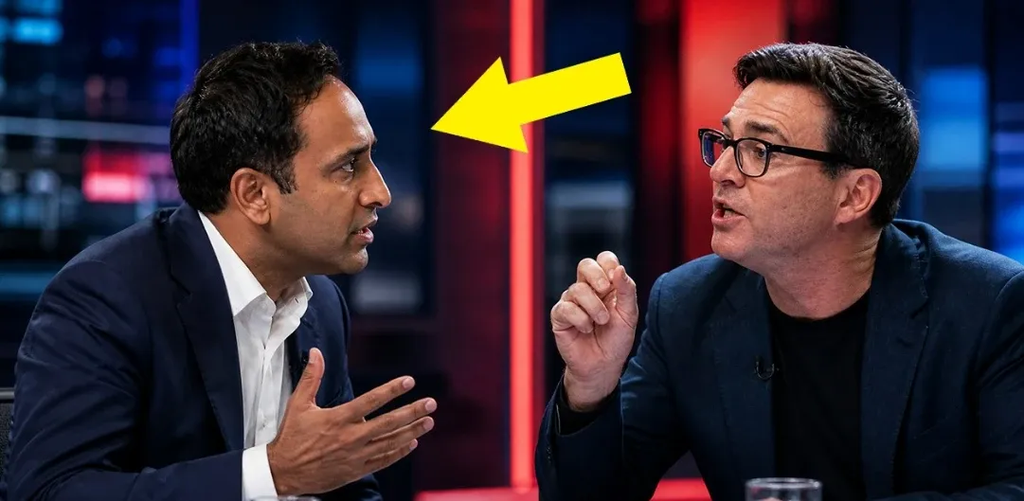
In a recent media appearance, Yusuf argued that the refusal to publish the information is a deliberate act of obfuscation.
“Whatever lies behind the government’s decision not to publish these stats, it just does give the impression that they’re covering it up.
It is a cover-up,” Yusuf stated.
He claimed that successive Conservative and Labour governments have prioritized a “diversity” agenda over public safety, allowing “British women and girls to be raped and murdered by men who should never have been allowed into the country at all.”
Advertisement
Yusuf further asserted that if the data were favorable to the government’s immigration policies, it would have been published immediately to silence critics.
“Why on earth would the government… not want data around migrant crime to be released?
Well, of course, we know the answer.
It’s because the data would be so spectacularly abhorrent, so horrific, it would lay bare so unbelievably the betrayal of Tory-Labour governments against their own people,” he argued.

To bolster his argument, Yusuf cited international examples, pointing to recent reports from Switzerland indicating that a high percentage of North African asylum seekers were involved in criminal proceedings, leading to severe restrictions on asylum approvals from that demographic.
Advertisement
He contrasted this with the UK’s policies, criticizing both the current Labour administration for failing to halt unauthorized boat crossings and the previous Conservative government for importing “military-age men” through various resettlement programs.
Yusuf also levied severe allegations against the previous Conservative government, specifically naming former Defence Secretary Ben Wallace.
Yusuf claimed that Wallace sought a judicial injunction to prevent British media, including GB News, from reporting on the demographic realities of resettlement programs to “stop the British people knowing the truth.”
Looking ahead to the next general election, currently anticipated for 2029, Yusuf outlined Reform UK’s commitment to radical transparency on the issue.
“If Reform in the next general election—Nigel’s the Prime Minister, I’m the Home Secretary—one of the first things I will do is release all of this data so the British people learn the truth,” he pledged.
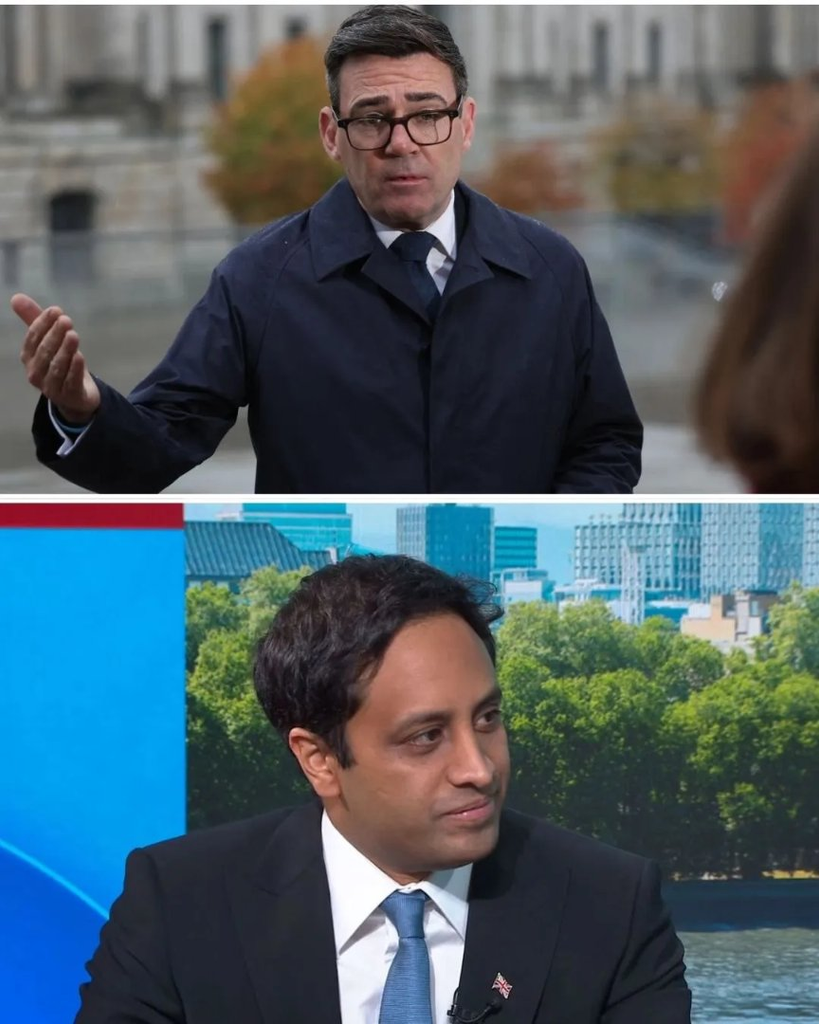
The Labour government has not issued a direct response to Yusuf’s specific allegations of a cover-up.
However, government officials maintain that they are focused on managing the complex logistical and humanitarian challenges of the UK’s asylum system while ensuring local communities remain safe and adequately policed.
The ongoing refusal to publish the specific cross-referenced crime data continues to be a primary point of friction between the government and right-wing opposition parties.
MASSIVE GOVERNMENT COVER-UP EXPOSED?! REFORM UK’S ZIA YUSUF DROPS A BOMBSHELL THAT SPARKS FRESH WESTMINSTER FURY!
A fresh political controversy has erupted after Reform UK chairman Zia Yusuf raised serious questions about the government’s handling of immigration, transparency and public accountability.
The Reform politician has become an increasingly prominent figure in Britain’s political debate, regularly challenging Labour over its policies and demanding clearer answers from ministers.
His latest intervention has attracted attention among supporters and critics, particularly because it comes amid growing public frustration over immigration, government spending and confidence in Westminster.
The central question is whether the government has been sufficiently transparent about its decisions or whether important information has failed to reach the public.
1. Zia Yusuf Launches a Fresh Attack on Labour
Zia Yusuf has repeatedly criticised the Labour Government over its approach to immigration and national policy.
As chairman of Reform UK, he has attempted to position the party as a political movement prepared to challenge what it describes as failures within the established political system.
His criticism focuses on government accountability, border security and the information ministers provide to Parliament.
Reform argues that voters deserve straightforward answers about how public money is being spent and whether government policies are achieving their stated objectives.
However, allegations of a government cover-up require substantial evidence. Political accusations must be distinguished from established facts.
2. Immigration Remains at the Heart of the Controversy
Immigration continues to be one of the most controversial subjects in British politics.
Small-boat crossings, asylum accommodation and the cost of processing immigration applications have attracted considerable public attention.
Reform UK has repeatedly argued that successive governments have failed to establish effective border controls.
Yusuf has used these concerns to challenge Labour’s immigration strategy and demand greater transparency.
The government, meanwhile, argues that tackling people-smuggling networks requires international cooperation, effective enforcement and improvements to the asylum system.
The disagreement reflects two competing approaches to one of Britain’s most difficult policy challenges.
3. Nigel Farage’s Party Demands Answers
Nigel Farage has built much of Reform UK’s political message around challenging established political institutions.
The party argues that voters have lost confidence in politicians who make promises but fail to deliver meaningful results.
Yusuf’s latest criticism fits into this wider political strategy.
Reform wants ministers to explain their decisions, publish relevant information and accept responsibility when policies fail.
For Labour, the challenge is to respond with evidence rather than simply dismissing opposition criticism.
4. Questions Over Government Transparency
Transparency is essential to democratic accountability.
Parliament must be able to scrutinise government decisions, examine public expenditure and question ministers about controversial policies.
When important information is delayed, withheld or inadequately explained, public confidence can suffer.
However, not every disagreement over government information amounts to a cover-up.
There can be legitimate reasons for withholding certain material, including national security, personal privacy and ongoing investigations.
The important issue is whether decisions are lawful, properly justified and subject to independent scrutiny.
5. Labour Faces Growing Political Pressure
The government is already dealing with difficult questions involving economic growth, taxation, public services and immigration.
Every new controversy creates another opportunity for opposition parties to challenge its performance.
Labour must demonstrate that it is delivering practical improvements and communicating its decisions clearly.
If ministers fail to provide convincing explanations, political criticism is likely to intensify.
The government also needs to ensure that Parliament receives accurate information so that MPs can properly scrutinise its policies.
6. Could Zia Yusuf’s Intervention Change the Debate?
Yusuf’s growing public profile demonstrates Reform’s efforts to establish a stronger presence in national political discussions.
The party is attempting to build a political organisation capable of challenging Labour and the Conservatives on a broad range of issues.
But political attention alone is not enough.
For the latest allegations to have lasting significance, Reform will need to identify specific decisions, provide supporting evidence and explain precisely what it believes the government has concealed.
The government, in turn, should respond to legitimate questions with clear documentation and verifiable explanations.
7. What Happens Next?
The next stage of the controversy will depend on the evidence behind Yusuf’s claims.
If documents, parliamentary questions or official records support his allegations, the issue could attract further scrutiny.
If the accusations cannot be substantiated, they risk becoming another short-lived political confrontation.
Either way, the public deserves accurate information.
Government accountability should not depend on which political party raises the question.
CONCLUSION: WESTMINSTER FACES ANOTHER TEST OF PUBLIC TRUST
Zia Yusuf’s latest intervention has reignited questions about government transparency and Labour’s handling of controversial policies.
For Reform UK, the priority is to demonstrate that its criticisms are supported by evidence.
For Labour, the challenge is to provide clear answers and maintain public confidence.
For ordinary people, the most important issue is ensuring that decisions affecting taxpayers and communities are properly explained.
A serious allegation should never be accepted simply because a politician makes it. But equally, legitimate questions about government accountability should never be ignored.
Britain deserves transparency, evidence and answers from those entrusted with political power.