
As conflict in the Middle East disrupts oil flows and drives prices upward, a quieter but consequential shift is unfolding across Europe. While the United States grapples with fuel shortages and price volatility tied to instability around the Strait of Hormuz, several European nations appear increasingly insulated from the shock.
The divergence is not accidental. It is the result of strategic decisions made years earlier by countries like France, Spain, and Denmark—each investing heavily in domestic and regional energy systems designed to reduce dependence on imported fossil fuels.
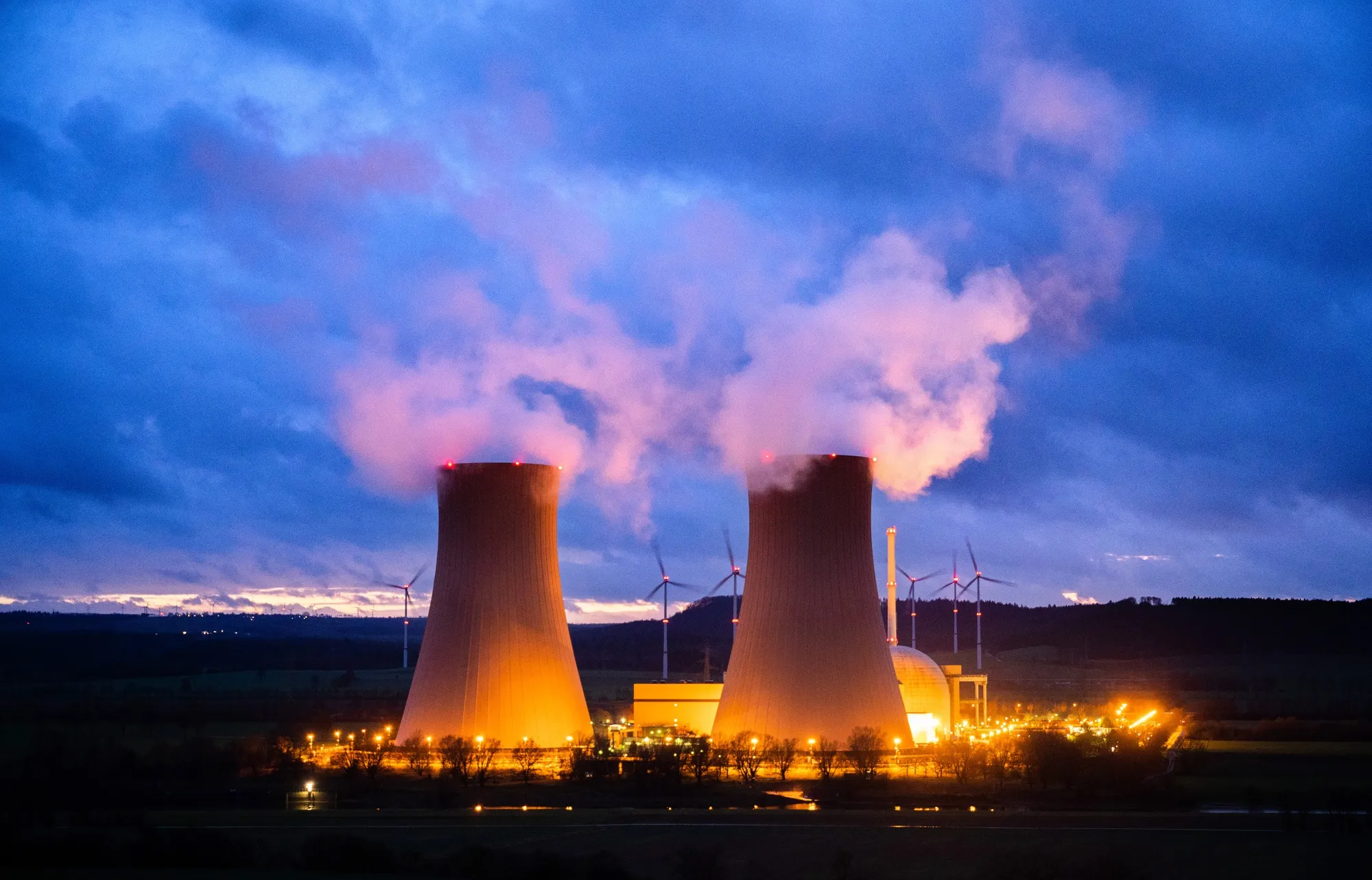
France, long reliant on nuclear power, has emerged as a central pillar of Europe’s energy stability. With a fleet of 56 reactors generating hundreds of terawatt-hours annually, the country has transformed itself into a net exporter of electricity. In recent years, that surplus has flowed across borders, helping stabilize grids in neighboring economies, particularly Germany.
The implications are immediate. As oil tankers reroute and gas markets tighten, France is not scrambling for supply. Instead, it is exporting power through established transmission networks. Its nuclear infrastructure, once controversial, now functions as a buffer against global energy shocks.
Spain has taken a different but equally deliberate path. Rather than focusing on baseload electricity, it has accelerated investment in green hydrogen—produced by using renewable electricity to split water into hydrogen and oxygen. This approach targets industries that have traditionally relied on natural gas, including steel, chemicals and fertilizers.
With government-backed funding and ambitious production targets, Spain is positioning hydrogen not as a supplement but as a substitute. The strategy is designed to reduce reliance on liquefied natural gas imports and shield domestic industry from volatile global markets. In effect, Spanish factories may soon depend less on external suppliers and more on locally produced energy inputs.

Denmark, meanwhile, is pursuing a third approach centered on infrastructure integration. Its agreement with Germany to develop offshore wind capacity in the Baltic Sea reflects a broader ambition: to turn renewable generation into a cross-border asset. By transmitting electricity directly to industrial centers, Denmark is bypassing traditional energy chokepoints.
The project, built around advanced high-voltage direct current technology, represents a technical as well as strategic shift. Instead of transporting fuel across oceans, energy will move as electricity through undersea cables—less vulnerable to geopolitical disruption.
Taken together, these efforts form a layered system of resilience. France provides stable baseload power. Spain develops alternative fuels for heavy industry. Denmark connects renewable generation directly to demand centers. Each model addresses a different vulnerability in Europe’s historical energy dependence.
The broader effect is beginning to reshape transatlantic dynamics. For years, American liquefied natural gas exports played a crucial role in helping Europe offset reduced supplies from Russia. That dependency, in turn, carried geopolitical weight. Energy security and foreign policy became intertwined.
But as European countries expand domestic capacity and diversify supply, that leverage may diminish. If industrial economies can secure reliable energy without relying heavily on imports, the balance of influence shifts. Energy becomes less a tool of diplomacy and more a matter of internal policy.
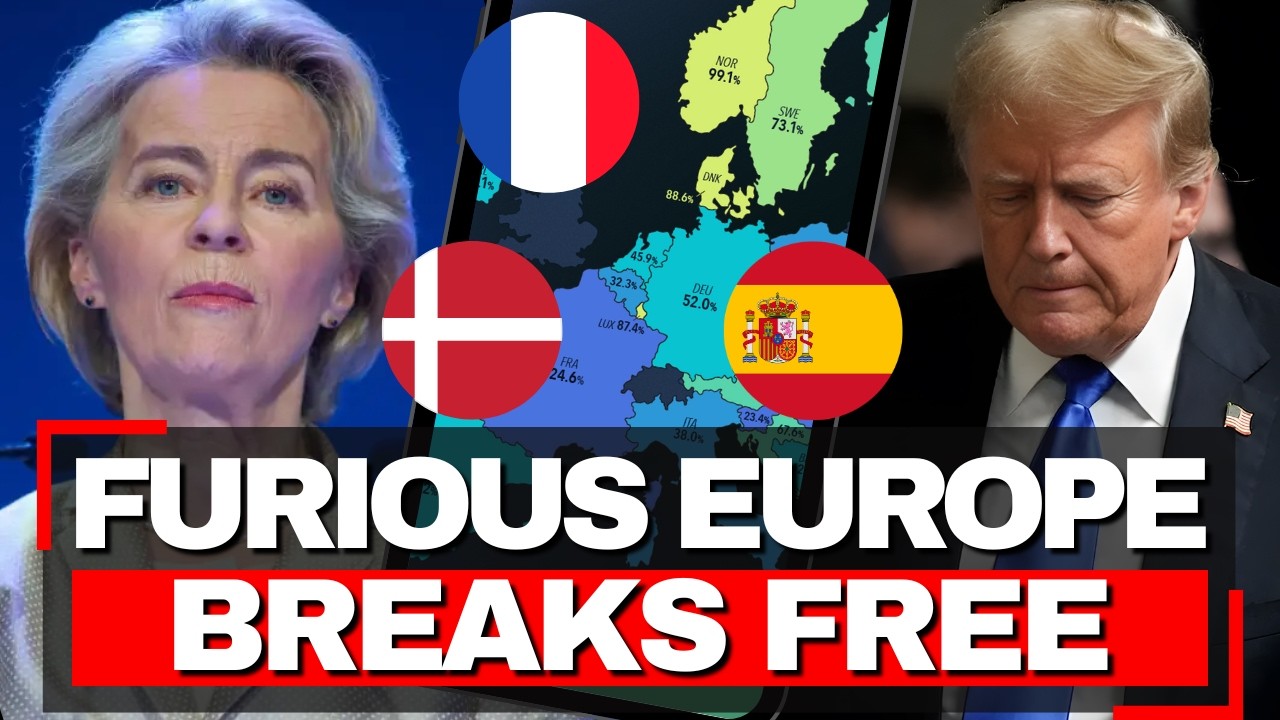
There are also economic implications. Lower and more stable energy costs could make European industry more competitive in sectors that depend heavily on power, from manufacturing to data infrastructure. Companies weighing long-term investments may increasingly factor energy security into their decisions.
None of this suggests that Europe is fully insulated. Many countries remain exposed to global markets, and the transition to new systems will take years to complete. Large-scale projects—whether nuclear reactors, hydrogen plants or offshore wind hubs—require time, capital and political consensus.
Yet the direction is clear. The current crisis has not created Europe’s energy strategy; it has revealed its significance. Decisions made between 2022 and 2025 are now shaping how countries respond to external shocks in 2026.
In that sense, the real story is not about a sudden transformation but about preparation. While markets react to immediate disruptions, infrastructure built over the past decade is quietly determining which economies bend—and which hold steady.