

Beyond Brexit Reversal Claims: The Real Debate Is About Britain’s Future Relationship With Europe
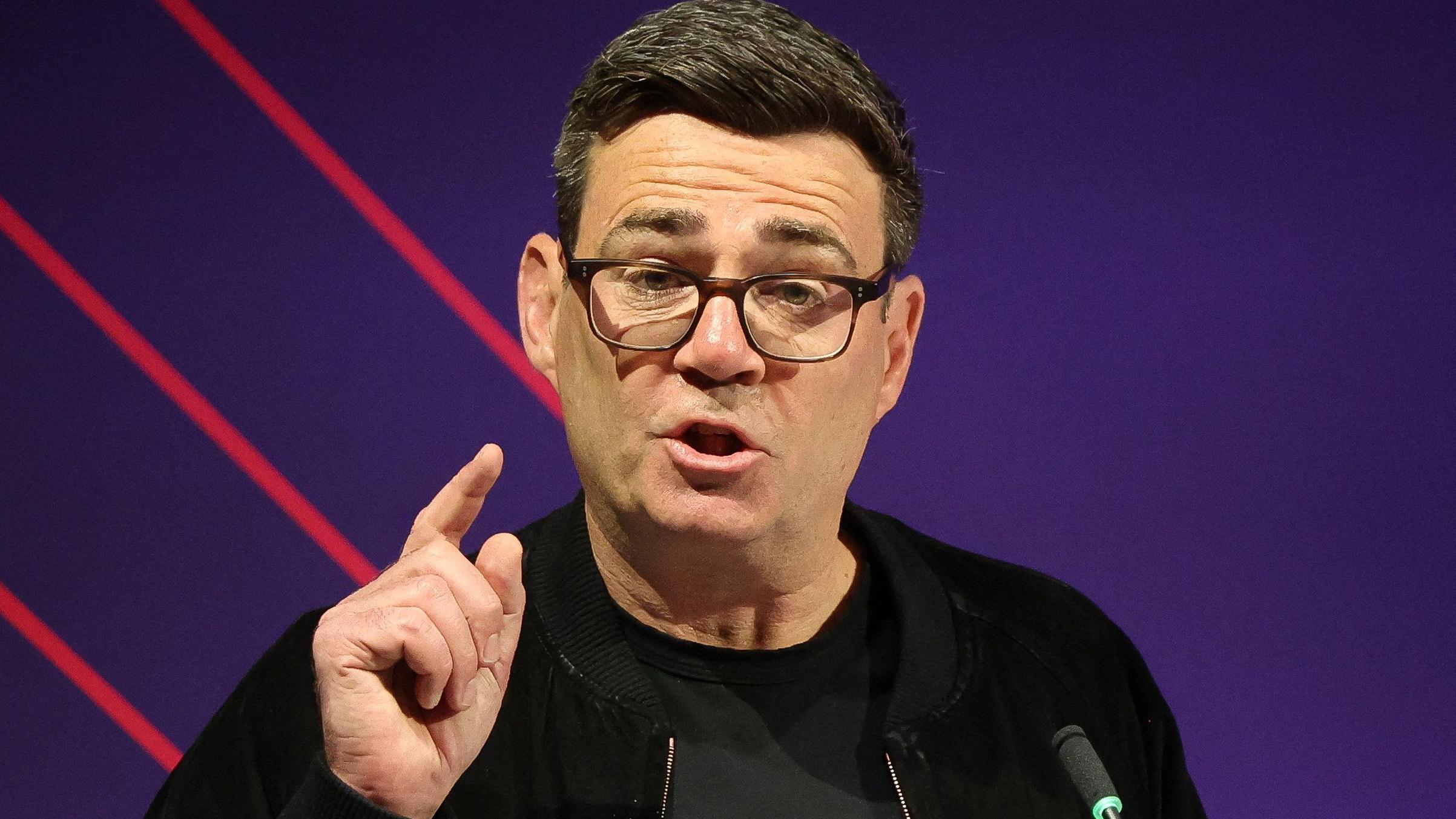
Warnings that Andy Burnham could reverse Brexit and take the UK back into the European Union have sparked a familiar political argument. Critics argue that any move towards closer European ties would ignore the result of the referendum and undermine the decision made by millions of voters. However, another perspective is that the debate is not simply about reversing Brexit, but about how Britain should manage its relationship with Europe in a changing world.
Since leaving the European Union, the UK has faced ongoing questions about trade, investment, labour, security cooperation, and international influence. These challenges have encouraged some politicians to argue that Britain needs a more practical relationship with European neighbours, while others insist that protecting Brexit remains a fundamental priority.
The suggestion that any politician could immediately return the UK to the EU overlooks the political and legal realities involved. Rejoining the European Union would require a major national debate, significant negotiations, and public support. It is not a decision that could be made by one individual or a single government announcement.
For Andy Burnham, any discussion about Europe would likely be judged by voters based on practical outcomes rather than political labels. Many people are less focused on the arguments of the referendum era and more concerned about whether policies improve the economy, create jobs, and reduce everyday pressures.
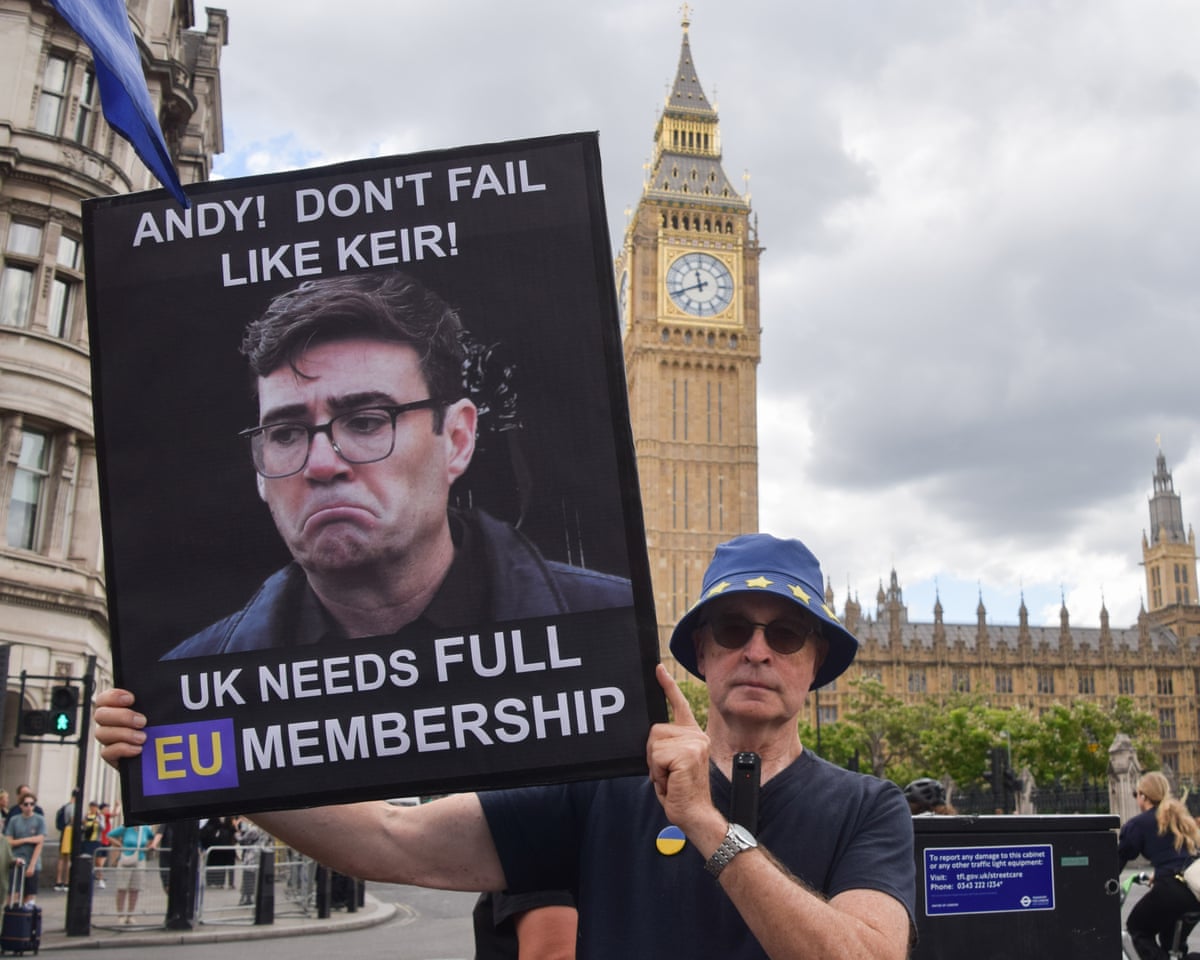
However, critics are right that Brexit remains a deeply sensitive issue. Millions of voters supported leaving the EU because they wanted greater national control over laws, borders, and decision-making. Any attempt to significantly change the UK’s relationship with Europe would need to acknowledge those concerns rather than dismiss them.
At the same time, maintaining independence does not necessarily mean avoiding cooperation. Countries outside the EU continue to work closely with European partners on trade, science, security, and other areas. The challenge for British politicians is finding a balance between sovereignty and practical cooperation.
The wider debate reveals that Brexit has evolved from a question about membership into a discussion about Britain’s place in the world. The key issue is no longer only whether the UK should be inside or outside the EU, but how it can achieve economic success and international influence under its current arrangements.
In conclusion, claims that Andy Burnham would simply reverse Brexit and return Britain to the EU may oversimplify a much more complex issue. The future of the UK’s relationship with Europe will depend on practical choices, public opinion, and national interests. The most important question is not about revisiting the past, but about creating the best possible future after Brexit.