

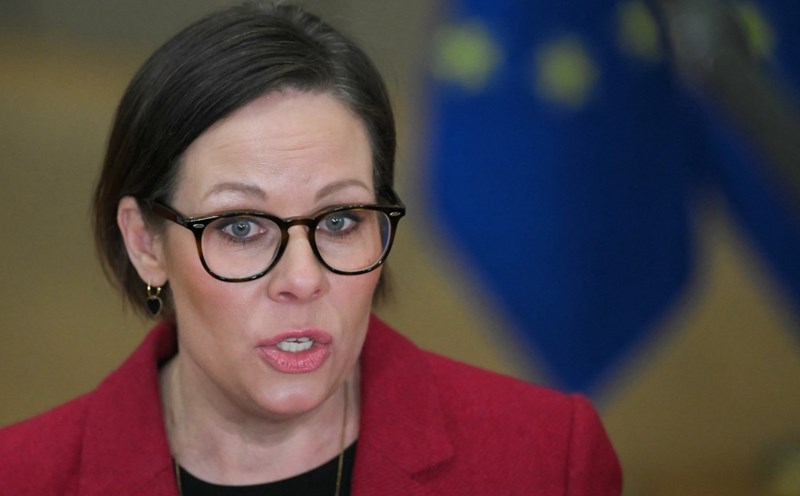
Home Secretary Shabana Mahmood has proposed huge immigration changes (Image: PA)
MPs have voted on Home Secretary Shabana Mahmood‘s immigration reforms. The Immigration and Asylum Bill faced its latest hurdle in the House of Commons.
Ahead of the vote, speculation was high over which way prime minister-in-waiting Andy Burnham would be swayed.
Sir Keir Starmer‘s successor is facing calls from dozens of Labour backbenchers to water down the overhaul by ditching plans to make migrants wait longer before they can apply for indefinite leave to remain, with the proposals applying to some already in the UK.
However, that proposal was not being directly voted on during the second reading on Monday.
The vote passed with 264 MPs voting for and 90 voting against. Andy Burnham, who will soon become Labour Leader and thereafter Prime Minister after nobody stood against him, voted for the bill.
The passing of the Immigration and Asylum Bill marks an important moment in the ongoing debate over how Britain manages its immigration system and controls access to long-term residency. The legislation has become a major political test for the Labour leadership, particularly as Andy Burnham prepares to take over the party and potentially lead the government into a new phase of immigration policy.
The bill reflects wider concerns within Westminster about the sustainability of the current immigration framework. Supporters argue that reforms are necessary to ensure that the system is fair, controlled, and able to maintain public confidence. They claim that clearer requirements for migrants seeking permanent settlement could encourage stronger integration, reduce pressure on public services, and ensure that those who contribute positively to British society are treated differently from those who fail to meet expected standards.
Opponents within Labour, however, have raised concerns about the impact of stricter rules on migrants who are already living and working in the United Kingdom. Some backbench MPs have argued that changing settlement requirements retrospectively could create uncertainty for individuals who made decisions based on previous rules. They have called for greater consideration of families, workers, and communities that may be affected by changes introduced after people have already established their lives in Britain.
The issue of indefinite leave to remain has become one of the most controversial aspects of the proposed reforms. Under the current system, migrants who meet certain criteria can eventually gain the right to remain permanently in the UK. Supporters of reform argue that the pathway should involve stronger expectations regarding employment, language ability, community participation, and adherence to British laws and values. Critics argue that extending waiting periods could make integration more difficult by leaving people in prolonged uncertainty.
For Andy Burnham, his support for the bill represents an early indication of how his leadership may approach one of the most politically sensitive issues facing Britain. Immigration has become a central concern for voters across the political spectrum, with debates focusing not only on border control but also on housing availability, wages, public services, and social cohesion.
Burnham’s position will likely be closely examined because Labour faces pressure from different directions. Some voters who previously supported Conservative or Reform UK positions have demanded stricter immigration controls, while many Labour supporters and human rights organisations have urged the party to maintain a more compassionate approach toward migrants and asylum seekers. Balancing these competing expectations will be one of the biggest challenges facing the incoming Labour leadership.
Home Secretary Shabana Mahmood has argued that the reforms are intended to create a more effective and sustainable immigration system rather than simply reduce numbers. Supporters of the bill say that public trust depends on having rules that are clearly enforced and consistently applied. They argue that a system perceived as uncontrolled can damage confidence in government institutions and increase political frustration.
However, immigration policy remains a highly complex issue. Reducing migration numbers does not automatically solve pressures on housing, healthcare, or public services, as many economic sectors rely heavily on migrant workers. Industries such as healthcare, construction, agriculture, hospitality, and social care have historically recruited internationally to address labour shortages. Policymakers therefore face the challenge of managing migration while ensuring that the economy has access to the skills it needs.

The parliamentary vote also highlights divisions within British politics over the role of immigration in national identity. For some, immigration represents economic opportunity, cultural exchange, and international cooperation. For others, rapid population growth and changes in local communities have created concerns about infrastructure, integration, and social stability. These competing perspectives are likely to remain central to political debates in the years ahead.
The next stage of the bill will provide further opportunities for MPs to propose amendments and challenge specific sections of the legislation. Parliamentary scrutiny could lead to changes before the final version becomes law, particularly if concerns from Labour backbenchers gain wider support. The government will need to maintain party unity while demonstrating that it is responding to public concerns.
For Burnham, the immigration debate could become an early defining issue of his leadership. His supporters are likely to argue that a controlled and structured approach can rebuild confidence among voters, while critics will watch closely to ensure that reforms remain consistent with humanitarian obligations and principles of fairness.
Ultimately, the future direction of Britain’s immigration system will depend on how the government balances control, economic needs, and social responsibility. The passage of the bill’s second reading represents only one step in a much larger political process. The decisions made in the coming months could shape public attitudes toward immigration and influence Britain’s political landscape for years to come.