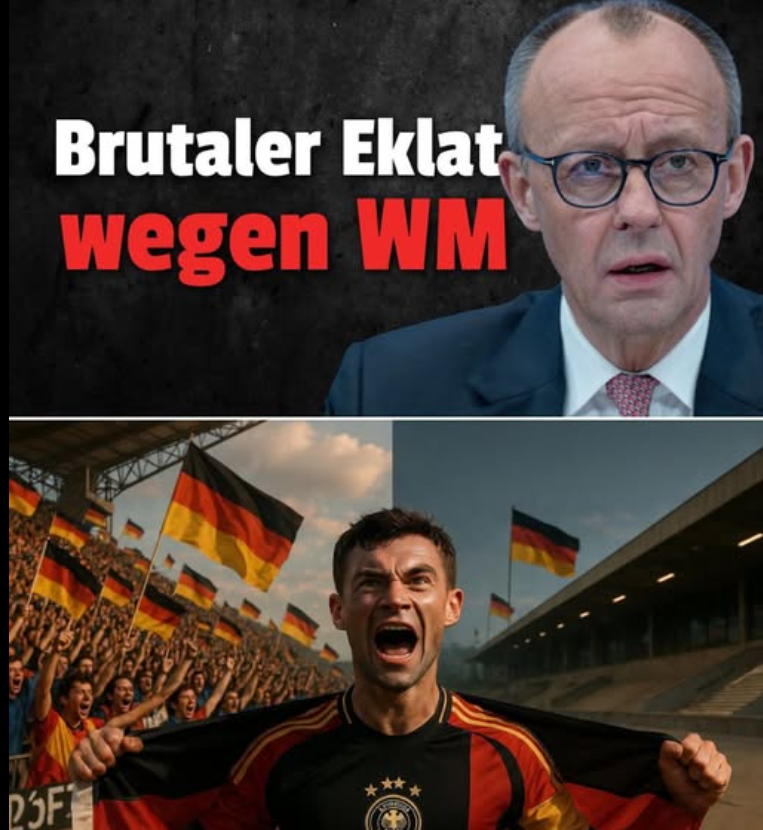
Der Kapitän der deutschen Fußballnationalmannschaft, Joshua Kimisch, hat eine deutliche Forderung an die Öffentlichkeit gerichtet. Er wünscht sich einen positiven Patriotismus für Deutschland und die Nationalmannschaft. Kimisch betonte, dass der Sport eine große Chance für den gesellschaftlichen Zusammenhalt bieten könne, insbesondere in der aktuell politisch und gesellschaftlich unruhigen Lage in Deutschland.

Kimisch erinnerte an die Heim-Weltmeisterschaft 2006, die er selbst als Elfjähriger erlebte. Er beschrieb die Euphorie, die damals geherrscht habe, als sich Menschen mit fremden Leuten in den Armen gelegen hätten und gemeinsam gefeiert worden sei. Diese Stimmung sei heute kaum noch zu beschreiben. Der 31-jährige Nationalspieler, der zuletzt als Rechtsverteidiger in der Elf von Bundestrainer Julian Nagelsmann spielte, hob hervor, dass die WM 2006 Deutschland extrem geholfen und verändert habe.
In diesem Zusammenhang beklagte Kimisch, dass es aufgrund der deutschen Vergangenheit oft nicht möglich sei, einen solchen Patriotismus zu zeigen. Er verwies auf aktuelle Beobachtungen, wonach kaum noch Fahrzeuge mit Deutschlandflaggen geschmückt seien. Im Gegensatz zu früheren Turnieren, bei denen Tausende Fahrzeuge mit Fähnchen und Flaggen unterwegs gewesen seien, habe er in diesem Jahr keinen einzigen Wagen mit einer Deutschlandflagge gesehen. Diese Entwicklung bezeichnete er als traurig.
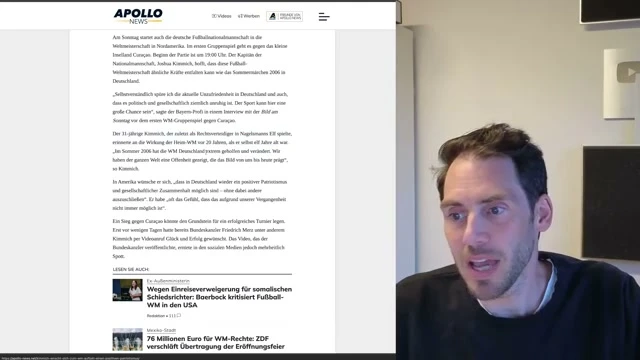
Der Kapitän berichtete zudem von einem Vorfall, bei dem einem älteren Mann die Scheibe seines Autos eingeschlagen worden sei. Der Mann vermutete, dass dies aufgrund einer angebrachten Deutschlandflagge geschehen sei. Kimisch zeigte sich besorgt über diese Entwicklung und stellte fest, dass es nicht mehr normal sei, wenn man mit dem Zeigen der Nationalflagge mit negativen Konsequenzen rechnen müsse. Auch das neue Logo des Deutschen Fußball-Bundes (DFB) ohne die Nationalfarben Schwarz-Rot-Gold kritisierte er.

Die deutsche Nationalmannschaft startet am Sonntag in die Weltmeisterschaft in Nordamerika. Das erste Gruppenspiel bestreitet die Mannschaft gegen das Inselland Curaçao. Anpfiff der Partie ist um 19 Uhr. Erst vor wenigen Tagen hatte Bundeskanzler Olaf Scholz der Mannschaft per Videoanruf Glück und Erfolg gewünscht. Kimisch äußerte die Hoffnung, dass ein Sieg gegen Curaçao den Grundstein für ein erfolgreiches Turnier legen könne.
Labour MP Shocks Parliament with Bold Rebellion Against Government Bill, Leaving Foreign Secretary Squirming: Is This the Start of a Deep-Rooted Crisis within the Party? Unraveling the Intrigue Behind Turner’s Daring Critique and Its Potential Impact on Justice Reform in the UK.
.webp)
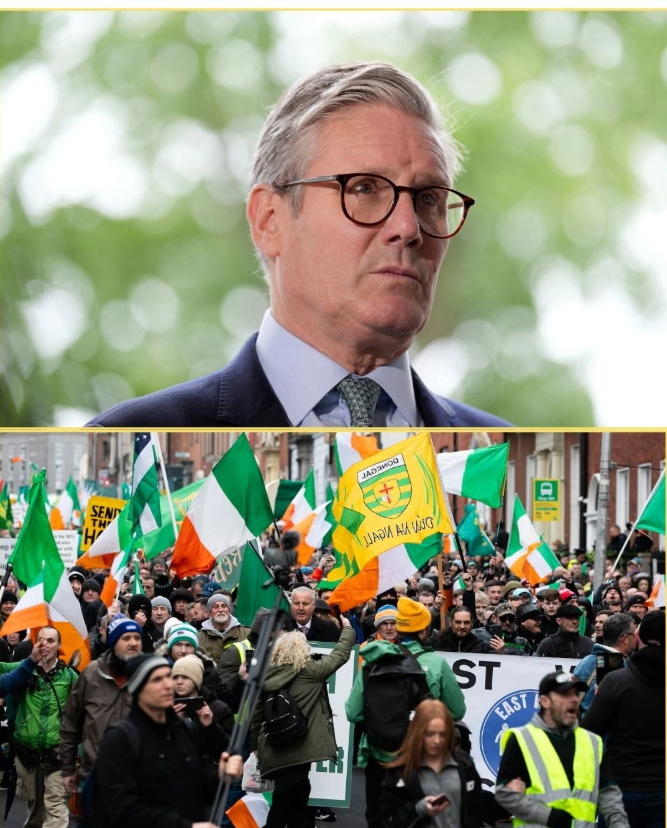
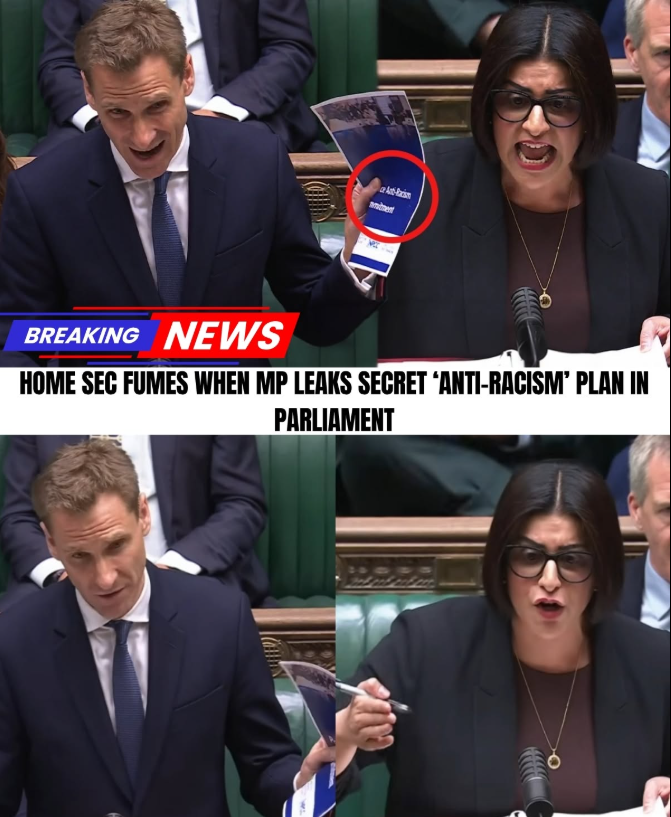
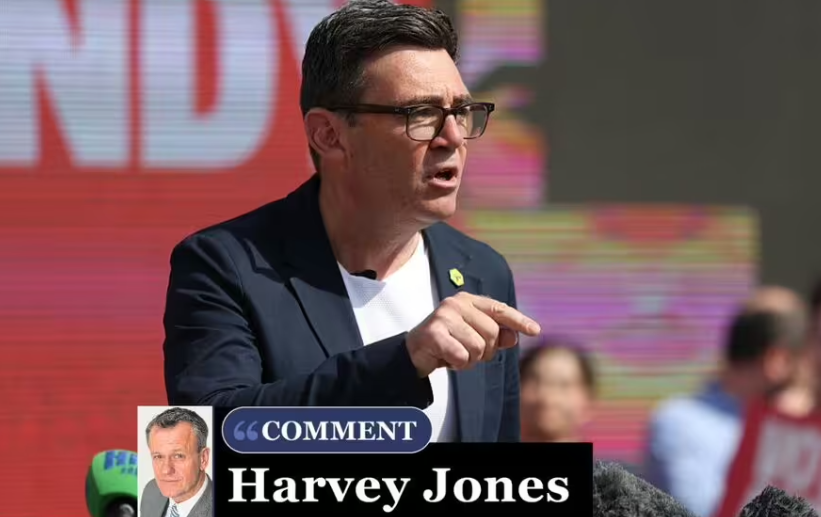
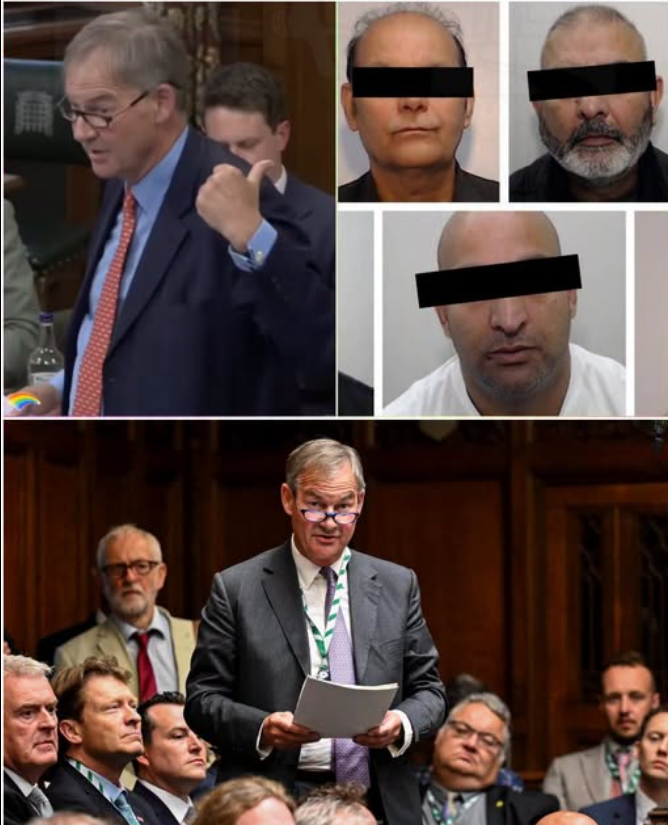
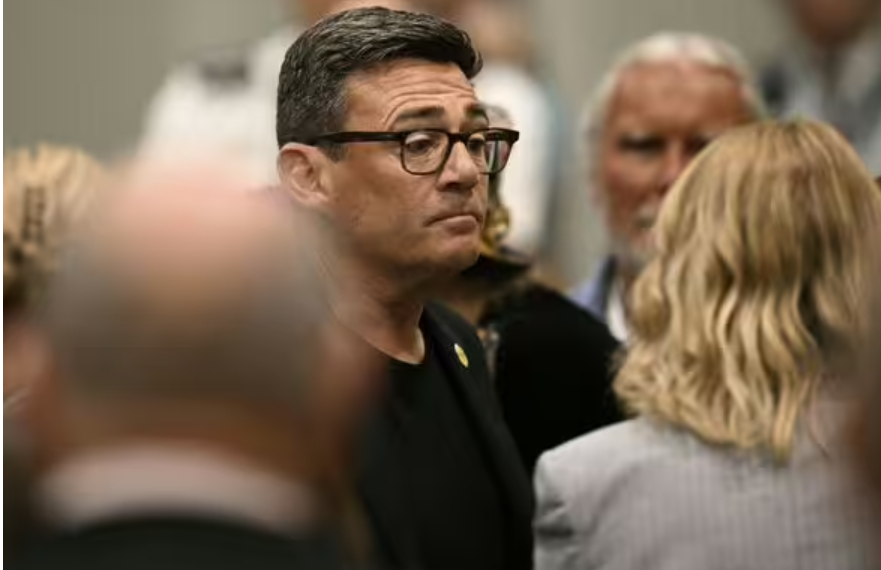
Labour MP Carlton Turner has ignited a political firestorm in the House of Commons, openly condemning a key government bill while Foreign Secretary David Lambie sat nearby, visibly squirming. This unexpected rebellion raises unsettling questions about unity within the party and the future of justice reform in the UK.
 In a moment that shocked many, Turner described the legislation as “unworkable, unjust, unpopular, and unnecessary,” words rarely uttered by a member of the ruling party. This blunt critique has sparked speculation about a growing rift within Labour, leaving observers to wonder: is this a genuine concern or the first signs of a deeper rebellion?
The atmosphere in the Commons was tense as Turner continued his speech, expressing disappointment in the Justice Secretary’s handling of the bill. He emphasized the need for a seat on the public bill committee for those opposed to the proposed changes, a request seen as unlikely given the current political climate.
 Turner’s remarks didn’t just resonate with his fellow MPs; they struck a chord with the public. His assertion that party officials are “spinning the narrative” behind the scenes suggests a troubling lack of transparency within Labour, raising further questions about the party’s internal dynamics.\
As Turner urged his colleagues to abstain from supporting the bill, he positioned himself as a voice of dissent. “I am more confident now than ever that the worst parts of this bill will be defeated at the amendment stage,” he declared, rallying those who share his concerns.

Such moments of internal criticism are rare in Parliament, often fading quickly from public attention. However, Turner’s bold stance could signal a turning point for Labour, inviting greater scrutiny of the party’s policies and direction.
 Political analysts are now closely watching to see how this incident will affect Labour’s cohesion moving forward. Will other MPs join Turner in voicing their dissent, or will this be an isolated incident?
As the dust settles, one thing is clear: the political landscape is shifting, and the implications of this rebellion could reverberate well beyond the walls of Westminster. The public is left to ponder whether these debates will lead to meaningful change or simply serve as a fleeting spectacle.
In the ever-evolving world of British politics, moments like these remind us of the importance of accountability and the power of dissent. As Turner’s words echo through the halls of Parliament, the future of Labour hangs in the balance, and the stakes have never been higher.