
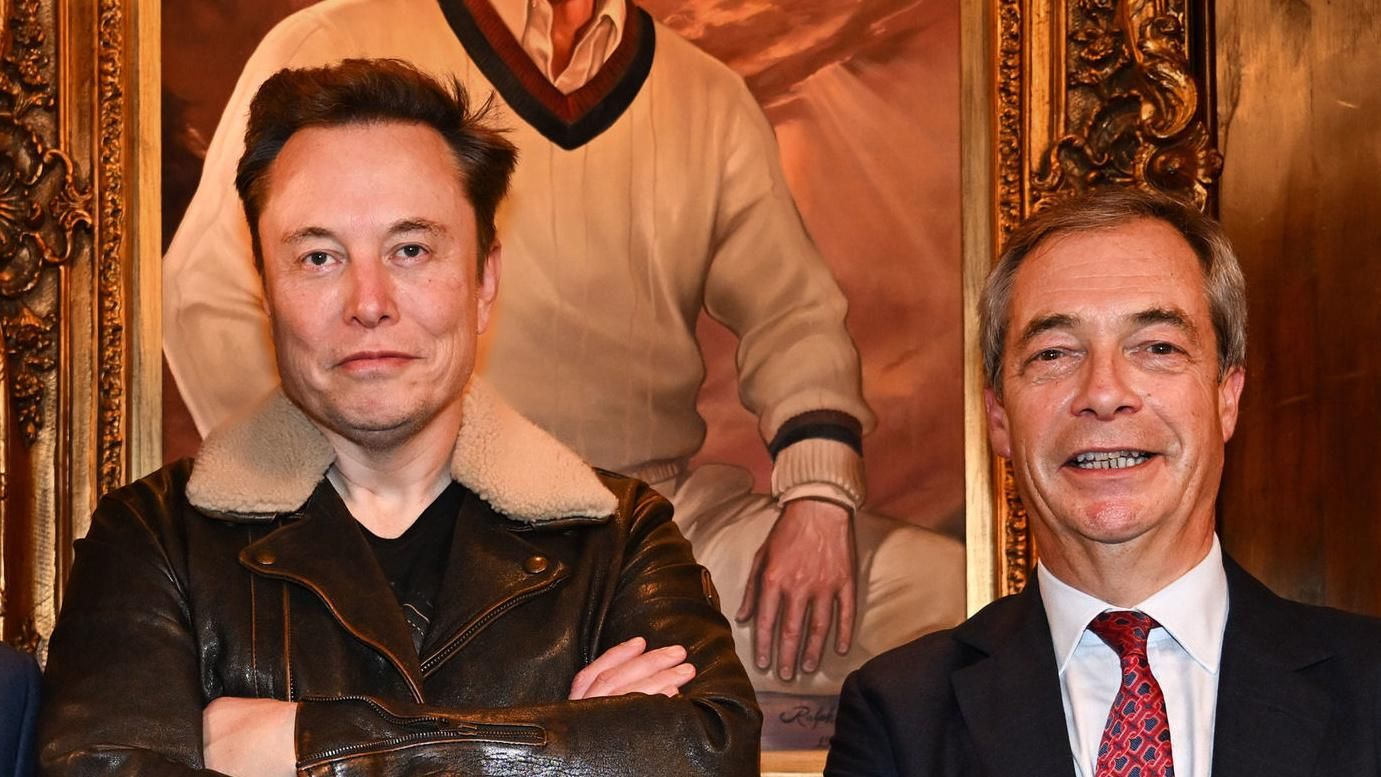
Elon Musk’s Support for Restore Britain Raises Fresh Questions for Nigel Farage and the Future of the British Right
British politics has entered another period of uncertainty as divisions on the political right continue to attract public attention. Much of the recent discussion has centred on the relationship between Nigel Farage, Reform UK, Rupert Lowe’s Restore Britain movement, and billionaire entrepreneur Elon Musk, whose public endorsements have generated significant debate.
While personalities often dominate political headlines, the broader story is about competition for influence, leadership, and the future direction of right-of-centre politics in the United Kingdom.
Elon Musk has become an increasingly visible figure in political debates around the world through his activity on social media platform X and his public comments on political issues. His statements frequently receive international attention, meaning that any endorsement or criticism can quickly become a major news story.
In the United Kingdom, Musk’s relationship with Nigel Farage has evolved over time. Although he previously expressed support for Reform UK, more recent reporting has highlighted his backing for Rupert Lowe and Restore Britain following disagreements with Farage.
For Reform UK, this shift creates an interesting political challenge. Musk’s support brings international visibility to Restore Britain, but British elections are ultimately decided by UK voters rather than overseas endorsements.
Political analysts often note that endorsements from high-profile international figures can increase media attention, fundraising opportunities, and online engagement. However, they do not necessarily translate into electoral success.
Rupert Lowe has attempted to position Restore Britain as a movement that offers a different approach from Reform UK. Since launching the party, he has argued that Britain requires stronger policies on immigration, border security, and constitutional reform. He has also publicly suggested that cooperation between Restore Britain and Reform UK could benefit the wider political right, although the relationship between the two organisations has remained strained.
Nigel Farage, meanwhile, remains one of Britain’s best-known political campaigners. Over the past two decades, he has played a central role in shaping debates about Brexit, immigration, sovereignty, and political reform.
Supporters view Farage as an effective communicator capable of connecting with voters who feel ignored by traditional political parties. Critics argue that his style is highly confrontational and that many of his proposals require greater scrutiny.
Whatever opinion voters hold, few would dispute that Farage has been one of the most influential political figures outside the traditional Conservative and Labour leadership.
The emergence of Restore Britain introduces a new dynamic into that political landscape.
Historically, parties competing for similar groups of voters often face the challenge of dividing support. Political scientists frequently observe that fragmentation can make it harder for smaller parties to convert votes into parliamentary representation under Britain’s first-past-the-post electoral system.
That reality explains why discussions about cooperation or electoral pacts attract so much attention.
Some commentators believe greater unity among parties with similar priorities could improve their electoral prospects. Others argue that healthy competition encourages stronger policies and greater accountability.
The role of Elon Musk adds another unusual element to the story.
As one of the world’s most recognisable entrepreneurs, Musk’s online activity reaches millions of people. His comments can rapidly amplify political messages and introduce British political debates to international audiences.
Supporters argue that social media has transformed modern politics by allowing politicians to communicate directly with voters.
Critics respond that viral attention should not be confused with democratic legitimacy and that political influence should ultimately depend on domestic public support.
This debate extends beyond Britain.
Across many democracies, digital platforms have become increasingly important during election campaigns. Political parties invest significant resources into online communication, recognising that public opinion can be influenced by fast-moving discussions on social media.
However, successful online campaigns still need to be supported by effective local organisation, credible candidates, and clear policy proposals.
This is particularly relevant for newer political parties.
Restore Britain may benefit from increased visibility, but visibility alone does not guarantee long-term political success.
Building a national political organisation requires volunteers, campaign teams, fundraising, candidate selection, and sustained engagement with communities across the country.
Reform UK has already spent several years developing that infrastructure.
That experience provides advantages which cannot easily be replaced through publicity alone.
At the same time, competition from Restore Britain could place pressure on Reform UK to refine its message and strengthen internal unity.
Political competition often encourages parties to clarify priorities and improve communication.
For voters, this can create a wider range of choices.
For party leaders, it creates greater pressure to demonstrate effective leadership.
Another important factor is policy detail.
Immigration remains one of the defining issues for both parties, but voters also consistently rank healthcare, housing, taxation, energy prices, and economic growth among their top concerns.
Any party seeking national influence must therefore present comprehensive policies rather than focusing on a single issue.
Political leadership is judged not only by communication skills but also by the ability to develop practical solutions.
Farage’s experience gives him significant name recognition.
Lowe’s newer movement offers an alternative vision to some voters seeking different leadership.
Whether either approach proves more successful will ultimately depend on electoral performance rather than media coverage.
The wider political context is equally important.
Labour, the Conservatives, Liberal Democrats, Greens, and regional parties continue competing for support across the country.
Any changes within the right-of-centre political landscape therefore affect a much broader electoral picture.
If Reform UK and Restore Britain compete directly in the same constituencies, they may divide voters with similar priorities.
If they cooperate in some form, they could potentially strengthen their position in selected contests.
These strategic decisions remain matters for party leaders and members.
For the public, the central question is simpler.
Which political movement offers the most credible plans for improving living standards, strengthening public services, supporting economic growth, and addressing concerns about immigration and national security?
Those practical questions are likely to matter far more than individual endorsements.
Political personalities naturally generate headlines, but elections are usually decided by broader issues affecting everyday life.
The evolving relationship between Nigel Farage, Rupert Lowe, and Elon Musk therefore represents more than a personal disagreement.
It illustrates how leadership, technology, media influence, and political strategy increasingly intersect in modern democratic politics.
As Britain moves toward future elections, the competition between Reform UK and Restore Britain is likely to remain an important story.
Whether that competition leads to greater cooperation or continued rivalry will shape not only the future of the two parties but also the wider debate about the direction of British politics.
In the end, endorsements from influential figures may attract attention, but public confidence is built through policies, leadership, and the choices voters make at the ballot box.