

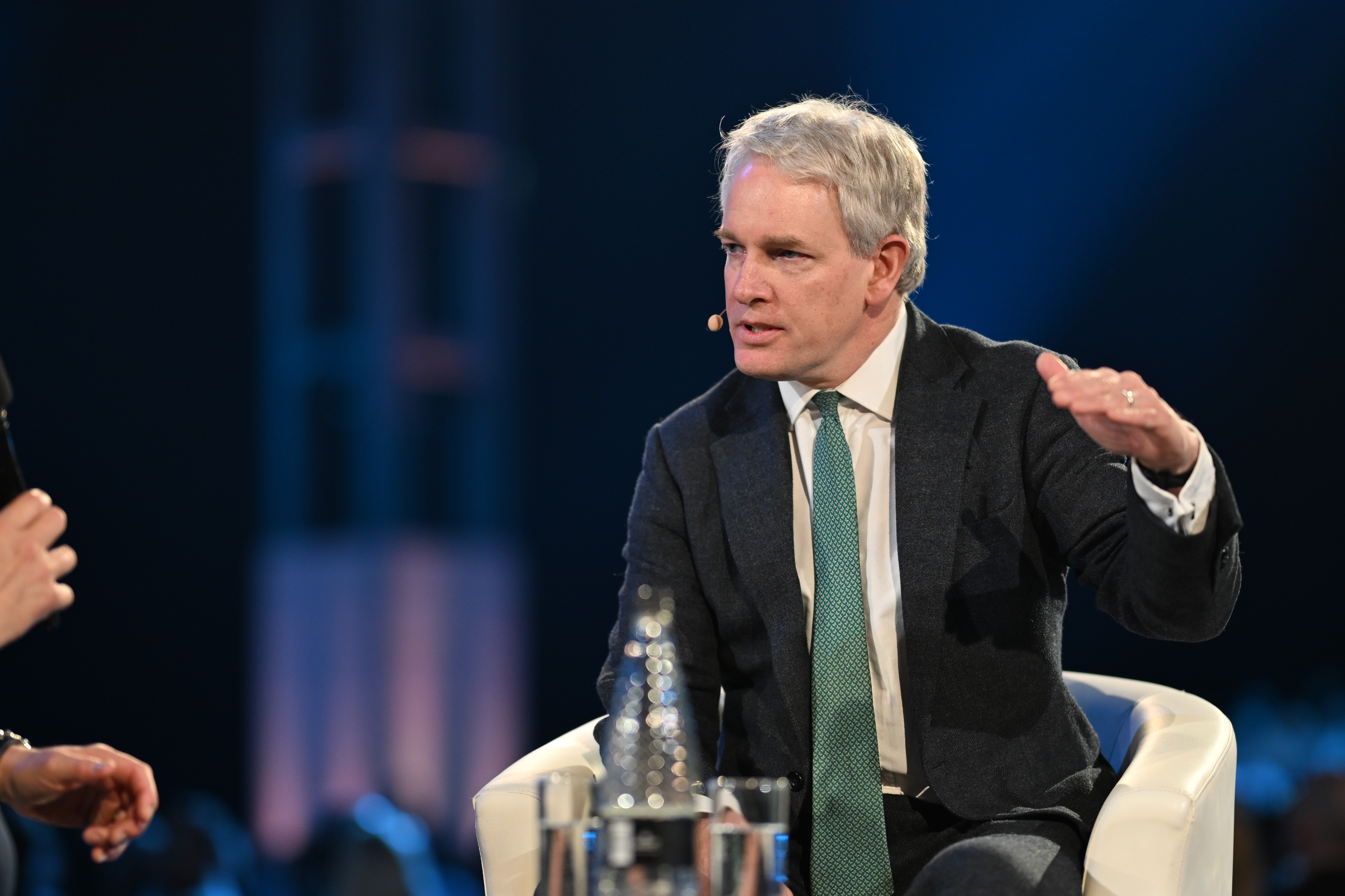
In a recent speech, also written up as a Substack essay, Kruger argued that the latest developments in AI show how exposed Britain has become to decisions made in America by US tech firms and the US government.
He pointed to recent announcements from Anthropic and OpenAI, warning that access to the most powerful cybersecurity models is already being limited to select American partners. “What does this story tell us about AI – and about Britain’s place in the world of AI?”, he asked. “It tells us, tragically, that we in this country are irrelevant to the big decisions about AI.”
Kruger said the lesson was clear: “We need to be relevant. We need to bring something to the table. And we need to build an AI industry ourselves.” That means “becoming as much of an AI superpower in our own right as we reasonably can”.
AI should also not be treated as just another industry. Rather, it is “a change in the conditions of national life”.
He warned that AI will shape everything from “the boardroom and the battlefield” to hospitals, schools, policing, crime, elections and the media. That makes dependence on foreign technology a matter of national sovereignty.
Kruger said a Reform UK government would put AI at the centre of government through a new Office for Technology, tasked with unblocking the infrastructure needed to support an AI industry.
He also called for Britain to build more data centres, especially outside the South East, arguing that they are “the key industrial asset of the future”. But he said that building them would require Britain to face up to two practical questions: “planning permission, and energy”.
On planning, Kruger said data centres should be built “with community consent”, while protecting “rural areas and our green spaces”. But he also argued that local communities should be given a real stake in the benefits. Reform UK is looking at how to facilitate this, including allowing local areas to keep all or some of the business rates generated by data centres. He pointed to Loudoun County in Virginia, where data centres have generated “45% of local government tax revenue”.
On energy, Kruger said Reform UK’s policy to maximise “all sources of energy with technology that works today” – including “successful renewables”, “more oil and gas” and “more nuclear”. He also said data centres could be allowed to bid for quicker grid connections, pay for upgrades that benefit everyone, or build their own energy generators on site, to mitigate the impact of data centres’ huge energy demands on the grid.
At the centre of his plan is what he called “the Patriotic Compact”. Under this approach, Britain would back founders and technology firms with compute access, procurement support, capital and strategic backing. In return, companies would be expected to “create jobs here, keep capability here, pay tax here”.
Kruger stressed that this was not about protectionism, but rather about loyalty to the country that helps firms grow. “If the taxpayer helps you scale, Britain should share in the upside”, he said.
While warning of the serious dangers posed by AI, Kruger insisted that Britain cannot afford to opt out or fall behind. “The only way out is through”, he said. “The only way to avoid the dangers of AI is to have more of it here in Britain.”