

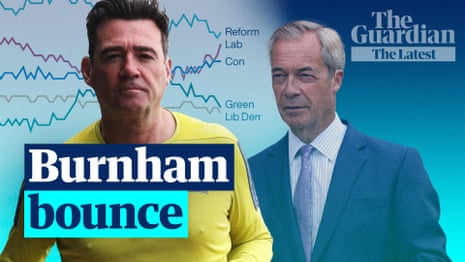
Burnham Bounce: Labour Overtake Reform in Polls
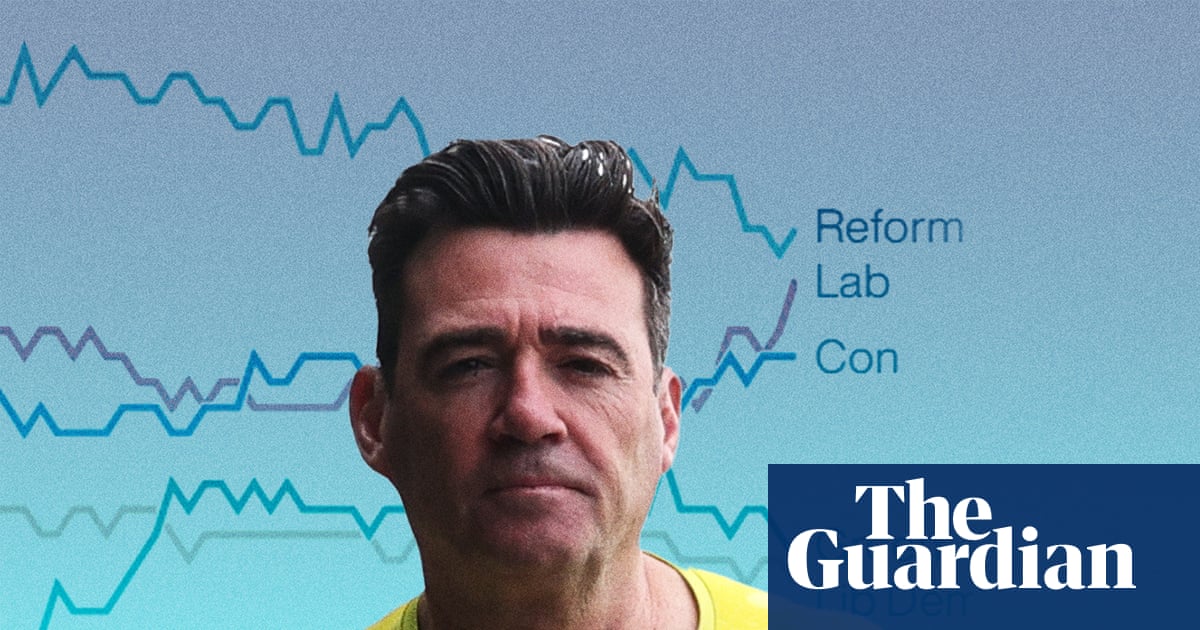
The phrase “Burnham bounce” has become one of the most widely discussed terms in British politics following Andy Burnham’s rise to the leadership of the Labour Party and his early period in government. Recent opinion polls indicate that Labour has overtaken Reform UK for the first time in more than a year, marking a significant shift in public opinion after Burnham’s arrival. The improvement in Labour’s polling position has been attributed to Burnham’s energetic leadership style, his emphasis on easing the cost-of-living crisis, and his ability to reconnect with voters who had previously turned away from the party. Although opinion polls do not guarantee future election results, they provide an important snapshot of public attitudes and suggest that British politics has entered a new phase.

One of the main reasons behind the so-called “Burnham bounce” is the contrast between Andy Burnham and the previous Labour leadership. Burnham quickly introduced several high-profile policy initiatives designed to address everyday concerns, including measures aimed at reducing household energy costs, maintaining affordable public transport, and supporting local businesses. These announcements helped create an image of an active government responding directly to the financial pressures faced by ordinary families. Political commentators argue that Burnham’s optimistic tone and practical approach have given Labour renewed momentum after a period of declining public confidence.
Recent polling illustrates this change in public support. Surveys conducted by several polling organizations show Labour moving ahead of or drawing level with Reform UK after months of trailing behind. One poll placed Labour at around 28 percent of the vote compared with Reform’s 24 percent, while other surveys reported smaller but consistent Labour leads. Although the exact figures differ between polling companies because of methodology and sampling, the overall trend suggests that Labour has experienced a noticeable improvement since Burnham became leader.
The improvement appears to have been driven by several groups of voters. Many former Labour supporters who had switched to the Green Party or the Liberal Democrats because of dissatisfaction with previous leadership have returned to Labour. At the same time, Burnham has attracted some moderate voters who value his experience as Mayor of Greater Manchester and appreciate his focus on practical public services rather than ideological confrontation. However, analysts note that Labour still faces challenges in winning back all of the working-class voters who have shifted toward Reform UK in recent years.
Burnham’s communication style has also contributed to his popularity. Unlike leaders who rely heavily on abstract political messaging, Burnham often speaks about issues that directly affect people’s daily lives. He emphasizes affordable transport, improvements to healthcare, investment in education, and greater regional development. His background as Mayor of Greater Manchester has helped him build a reputation as someone who understands local government and practical administration. Many voters see him as approachable and willing to engage with communities outside Westminster, which has strengthened his public image.
Another important factor behind Labour’s rise is the cost-of-living crisis. Inflation, housing affordability, rising utility bills, and pressure on household budgets remain major concerns across the United Kingdom. Burnham has attempted to position Labour as the party most focused on easing these financial pressures. Early policy announcements, such as measures affecting transport costs and household energy bills, received significant public attention and helped shape the narrative that Labour was acting quickly to improve living standards. While critics question how these policies will be funded, they have nevertheless generated positive headlines and increased public visibility.
For Reform UK, the polling shift represents a political challenge. Reform achieved significant growth by focusing on issues such as immigration, border security, taxation, and dissatisfaction with the political establishment. However, Labour’s recent recovery suggests that some voters who were primarily motivated by economic concerns may now be reconsidering their political preferences. Reform continues to enjoy strong support among many voters, but recent opinion polls indicate that Labour has reduced or eliminated the lead that Reform previously held.
Despite Labour’s improved position, political analysts urge caution when interpreting opinion polls. Polls measure public opinion at a particular moment rather than predicting election outcomes with certainty. Political circumstances can change rapidly as governments face new economic developments, international events, and domestic controversies. Burnham’s initial popularity may represent a temporary honeymoon period following his appointment rather than a permanent political realignment. Maintaining public confidence over the longer term will depend on whether his government successfully delivers its policy promises.
One of Burnham’s greatest challenges will be sustaining the momentum created by the initial “bounce.” Early popularity often results from optimism surrounding new leadership, but voters eventually expect measurable improvements rather than announcements alone. Issues such as healthcare waiting lists, economic growth, housing shortages, immigration, and public finances remain difficult problems requiring long-term solutions. Future budgets, legislative reforms, and economic performance will ultimately determine whether Labour’s current polling advantage can be maintained.
The polling changes also have important implications for the wider political landscape. If Labour continues to strengthen while Reform and the Conservative Party compete for similar voters, future elections could become increasingly competitive. Britain’s electoral system rewards parties that can build broad national coalitions, meaning leadership, policy credibility, and regional appeal all play significant roles. Burnham’s strength appears particularly evident in northern England, where his record as Greater Manchester Mayor has given him considerable recognition. Expanding this appeal across other parts of the country will be essential if Labour hopes to convert improved polling into electoral victories.
Public opinion itself is rarely fixed. Economic performance, international crises, leadership debates, and major policy announcements all influence voter preferences. For this reason, politicians across all parties continue adapting their strategies in response to changing circumstances. Reform UK will likely seek to refocus attention on immigration and border security, while Labour will continue emphasizing living standards, regional investment, and public services. The Conservative Party, meanwhile, faces the challenge of rebuilding support in an increasingly competitive political environment.
Ultimately, the “Burnham bounce” demonstrates how leadership can significantly influence political fortunes. Charismatic leadership alone cannot solve national problems, but effective communication combined with policies addressing voters’ immediate concerns can quickly reshape public opinion. Burnham has benefited from presenting himself as energetic, optimistic, and focused on practical issues affecting everyday life. Whether this popularity endures will depend on the government’s ability to translate promises into tangible improvements for citizens.
In conclusion, Labour’s rise above Reform UK in recent opinion polls represents one of the most significant political developments in Britain in recent months. The “Burnham bounce” reflects renewed public confidence following Andy Burnham’s leadership, particularly his emphasis on addressing the cost of living, strengthening public services, and promoting regional development. Nevertheless, opinion polls remain snapshots rather than guarantees of future election results. The true test of Burnham’s leadership will come in the months and years ahead as voters evaluate the government’s performance on complex economic and social challenges. If Labour can maintain its current momentum while delivering meaningful policy outcomes, the recent polling shift could mark the beginning of a lasting transformation in British politics.