

Burnham Actively Looking to Reform Council Tax and Stamp Duty
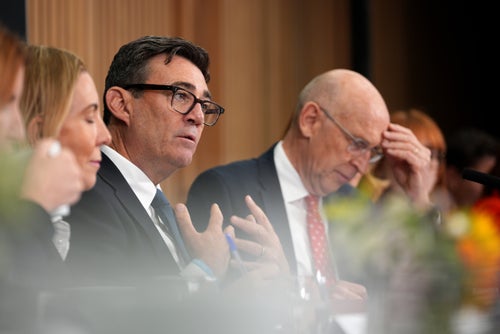
 The taxation system in the United Kingdom has long been a subject of political debate, with many arguing that existing arrangements no longer reflect modern economic realities. Council tax and stamp duty, two important parts of the housing and local government system, have attracted increasing attention because of concerns about fairness, affordability, and the pressure placed on households. The suggestion that Andy Burnham is actively exploring reforms to council tax and stamp duty highlights wider questions about how Britain should fund public services, support home ownership, and address regional economic inequalities.
Andy Burnham, as Mayor of Greater Manchester, has built his political reputation around issues such as public services, regional investment, and improving opportunities outside London. His interest in reforming housing-related taxation reflects his broader argument that government systems should better respond to the needs of communities. Supporters of reform believe that changes to council tax and stamp duty could create a fairer system, while critics warn that major tax changes could create uncertainty for homeowners and local authorities.
Council tax was introduced in England in 1993 as a way of funding local government services. It is based on property values from 1991, meaning that the system relies on outdated assessments. Since property prices have changed dramatically over the past three decades, many argue that council tax no longer reflects the true value of homes or the financial circumstances of residents. Properties in some areas have increased significantly in value, while others have experienced slower growth, creating differences between what households pay and the actual value of their homes.
One of the main arguments for council tax reform is fairness. Critics argue that the current system places a heavier burden on some lower-value properties while allowing owners of very expensive homes to pay a smaller proportion of their property value. They suggest that a modern system should be based on more accurate property valuations and should better reflect people’s ability to contribute.
Supporters of reform also argue that local authorities need a more sustainable source of income. Councils provide essential services such as social care, waste collection, housing support, and community services. Many local governments have faced financial pressures due to rising demand, increased costs, and reductions in central government funding. Reforming council tax could provide councils with additional resources to maintain services and respond to local needs.
However, changing council tax would be politically difficult. Any reform that results in higher bills for some households could face strong opposition. Many homeowners are already dealing with increased mortgage payments, energy costs, and general inflation. Governments would need to carefully design reforms to avoid placing excessive financial pressure on households, particularly those with limited incomes but valuable properties.
Stamp duty is another area where reform has been debated. Stamp duty land tax is paid when people purchase property above certain price thresholds. It is designed partly as a way of raising government revenue, but critics argue that it can discourage people from moving homes and reduce activity in the housing market. High stamp duty costs may prevent families from moving to properties that better suit their needs or stop workers from relocating for employment opportunities.
Supporters of stamp duty reform argue that the tax can create unnecessary barriers in the housing market. For example, older homeowners may hesitate to downsize because of transaction costs, while younger families may find it harder to move as their circumstances change. Reducing or restructuring stamp duty could increase movement within the housing market and potentially improve access to available homes.
On the other hand, stamp duty provides significant revenue for the government, and removing it would require alternative sources of funding. Policymakers must consider how to replace lost income without creating unfair burdens elsewhere. Any changes would need to balance the goal of improving housing mobility with the need to maintain public finances.
Burnham’s interest in taxation reform is also connected to the issue of regional inequality. Housing markets vary significantly across the United Kingdom. Property values in London and the South East are often much higher than in many northern regions. A taxation system designed around national averages may not always reflect these differences. Reform could potentially allow more flexibility for regions to respond to their own economic conditions.
Greater Manchester has become an important example of regional economic development. Burnham has frequently argued that local leaders should have greater control over decisions affecting their communities. Greater powers over taxation and public spending could allow regions to invest in housing, transport, and infrastructure according to local priorities. This approach reflects wider debates about devolution and whether more decisions should be made outside Westminster.
Housing affordability is another major reason why tax reform remains an important issue. Many young people struggle to buy homes due to high prices, limited housing supply, and stagnant wage growth. Changes to property taxation could be part of a wider strategy to improve housing access. However, taxation alone cannot solve the housing crisis. Increased construction, planning reform, and investment in affordable housing would also be necessary.
Critics of Burnham’s proposals may argue that tax reform should be handled nationally rather than by regional leaders. Council tax and stamp duty are currently part of wider government financial systems, and major changes require careful coordination. Opponents may also question whether changing taxes will produce meaningful improvements or simply create new administrative challenges.
There is also the question of political timing. Tax reform can be risky because voters often react strongly to changes that affect their personal finances. Even reforms designed to create long-term fairness may face resistance if people believe they will immediately increase costs. Political leaders must therefore explain clearly why changes are needed and how they will benefit communities.
A successful reform strategy would likely require gradual implementation and extensive consultation. Governments would need to work with local authorities, homeowners, businesses, and housing experts to understand potential impacts. Transparency would be essential to maintaining public confidence and ensuring that reforms are seen as fair.
Technology could also play a role in modernising the system. Updated property valuations, improved data collection, and more efficient administration could make taxation systems more accurate and easier to manage. A modern approach could reduce some of the weaknesses created by outdated property assessments.
Ultimately, the debate over council tax and stamp duty reflects broader questions about fairness, public services, and the future of Britain’s economy. Tax systems must adapt as societies change. A system created decades ago may not fully reflect today’s housing market, economic conditions, or regional differences. Reform could provide opportunities to create a more balanced approach, but it must be carefully designed.
In conclusion, Andy Burnham’s interest in reforming council tax and stamp duty highlights important debates about the future of housing taxation in the United Kingdom. Supporters believe changes could create a fairer system, improve local government finances, and support housing mobility. Critics warn that reforms could create uncertainty and financial pressure if poorly designed. The challenge for policymakers is finding a balance between fairness, economic efficiency, and public affordability. If approached carefully, reforming property taxes could become an important part of building a more modern and responsive economic system.