

Brexit Was a Major Factor in Britain’s Political Instability, but It Was Not the Only Cause of a Decade of Chaos
As Britain prepares for its seventh prime minister in ten years, many observers have attempted to explain why the country has experienced such extraordinary political instability. Brexit is frequently identified as the main cause of this turbulence, with critics arguing that leaving the European Union created economic uncertainty, divided political parties, and intensified disagreements within government. While Brexit undoubtedly played a significant role in shaping Britain’s recent political difficulties, it would be too simplistic to blame the entire decade of chaos on the referendum alone. The instability reflects a combination of factors, including weak leadership, internal divisions within political parties, economic pressures, institutional problems, and a broader crisis of public trust in politics.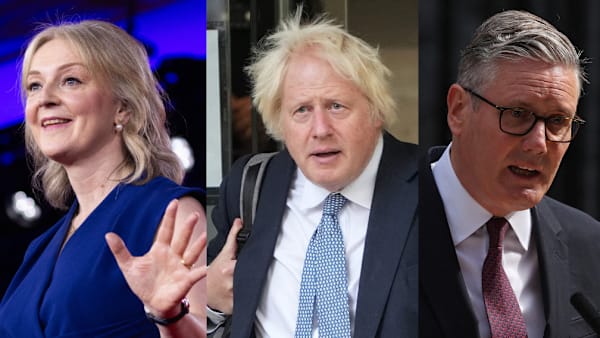
There is no doubt that Brexit transformed British politics. The 2016 referendum created one of the deepest political divisions in modern British history. The decision to leave the European Union affected not only foreign policy and trade relations but also the internal balance of power within political parties. The Conservative Party, which had long contained different views about Europe, became increasingly divided between those who supported a close relationship with the EU and those who demanded a more complete separation. Managing these disagreements proved extremely difficult for successive leaders.
The consequences of Brexit also created practical challenges. Negotiating a new relationship with the European Union required complex discussions about trade, immigration, regulation, and international cooperation. Many of these issues remained politically controversial even after the formal departure from the EU. Governments faced pressure from voters who wanted Brexit opportunities delivered quickly while also dealing with economic realities and international constraints. This difficult situation contributed to frustration among both politicians and the public.
However, Brexit alone cannot explain why Britain experienced such frequent changes of prime minister. Political instability also resulted from failures of leadership and decision-making. A referendum does not automatically produce government crises; the way politicians respond to political challenges plays a crucial role. Different leaders have handled difficult circumstances in different ways, and some crises were caused not only by external events but also by internal mistakes and poor political management.
The downfall of several Conservative leaders demonstrates this point. Leadership changes occurred because of different factors, including party disagreements, policy failures, ethical controversies, and economic decisions. While Brexit created a challenging environment, individual choices by politicians often determined whether problems became manageable difficulties or full-scale political crises. Effective leadership requires communication, compromise, and the ability to maintain public confidence. When these qualities are absent, political instability can increase regardless of the broader circumstances.
Economic difficulties have also contributed significantly to Britain’s political problems. Over the past decade, the country has experienced slow economic growth, rising living costs, pressure on public services, and increased inequality. Many citizens have become frustrated because they feel that economic progress has not improved their everyday lives. Wages, housing affordability, healthcare access, and regional inequality have become major political concerns.
These problems cannot be attributed entirely to Brexit. Some economic challenges existed before the referendum and are shared by many countries around the world. Ageing populations, technological disruption, globalization, energy price increases, and the consequences of the COVID-19 pandemic have affected economies internationally. Although Brexit may have influenced certain economic outcomes, Britain’s difficulties also reflect broader structural challenges that require long-term solutions.
The COVID-19 pandemic was another major factor that disrupted British politics. Governments across the world faced unprecedented pressure during the health crisis, including difficult decisions about restrictions, economic support, and public health measures. In Britain, the pandemic intensified debates about government competence and accountability. Political controversies surrounding the handling of the crisis damaged public trust and contributed to leadership instability.
Furthermore, the rise of short-term political thinking has played an important role in Britain’s instability. Modern democratic systems often encourage politicians to focus on immediate electoral advantages rather than long-term national strategies. Governments may announce policies designed to attract public support quickly but later struggle with implementation. This pattern creates disappointment when promises fail to match reality.
The media environment has also changed the nature of political competition. Social media and twenty-four-hour news cycles encourage rapid reactions and increase pressure on politicians to respond immediately to every controversy. Political debates often become focused on personalities, scandals, and short-term conflicts rather than detailed discussions about policy. This environment makes it harder for governments to maintain stability and develop long-term programmes.
Internal divisions within political parties represent another important cause of instability. The Conservative Party, in particular, has experienced significant disagreements over issues such as Brexit, taxation, public spending, climate policy, and social issues. When parties become deeply divided, governments often struggle to pass legislation or maintain a consistent direction. A government that cannot unite its own supporters faces difficulties regardless of external circumstances.
The Labour Party has also experienced periods of internal conflict, although its challenges have taken different forms. Debates over ideology, leadership, and policy direction have affected its ability to present a united alternative government. This demonstrates that Britain’s political instability is not simply a Brexit problem but reflects wider difficulties within the country’s political system.
Another factor is the decline of trust between citizens and political institutions. Many voters believe that politicians make promises during elections but fail to deliver meaningful change afterward. This frustration has contributed to the rise of populist movements and increased demands for political reform. When trust declines, governments become more vulnerable because even reasonable decisions may be viewed with suspicion.
Supporters of the argument that Brexit is the main cause of instability often point out that the referendum created many of the conflicts dominating British politics. They argue that without Brexit, governments would have faced fewer divisions and greater economic certainty. This argument has some validity. Brexit was a historic decision with enormous consequences, and it clearly reshaped the political landscape.
Nevertheless, reducing the entire decade of instability to one event ignores the complexity of political life. Countries experience crises for multiple reasons, and political outcomes depend on how leaders respond to challenges. A different group of leaders might have managed Brexit negotiations, economic pressures, and public dissatisfaction more successfully. Therefore, Brexit should be understood as a major pressure factor rather than the single explanation for Britain’s difficulties.
The solution to Britain’s political problems requires more than debating Brexit. The country needs stronger institutions, greater political accountability, and a renewed focus on long-term national priorities. Governments must address economic inequality, improve public services, invest in productivity, and rebuild public confidence. These challenges would exist even if Britain had remained inside the European Union.
Political stability also depends on a healthier relationship between government and citizens. Leaders must communicate honestly about difficult choices rather than offering unrealistic promises. Voters increasingly expect transparency and practical results rather than ideological arguments. Rebuilding trust will require politicians to demonstrate competence and accept responsibility for their decisions.
In conclusion, Brexit was undoubtedly one of the most important causes of Britain’s political instability over the past decade. It created divisions, complicated government decision-making, and introduced significant economic and diplomatic challenges. However, it was not the only factor responsible for the country’s political chaos. Weak leadership, economic pressures, party divisions, institutional weaknesses, the COVID-19 pandemic, and declining public trust have all contributed to the instability. Understanding Britain’s recent difficulties requires a broader perspective that recognizes multiple causes rather than blaming a single event. Only by addressing these deeper problems can the country achieve the political stability needed for the future.