
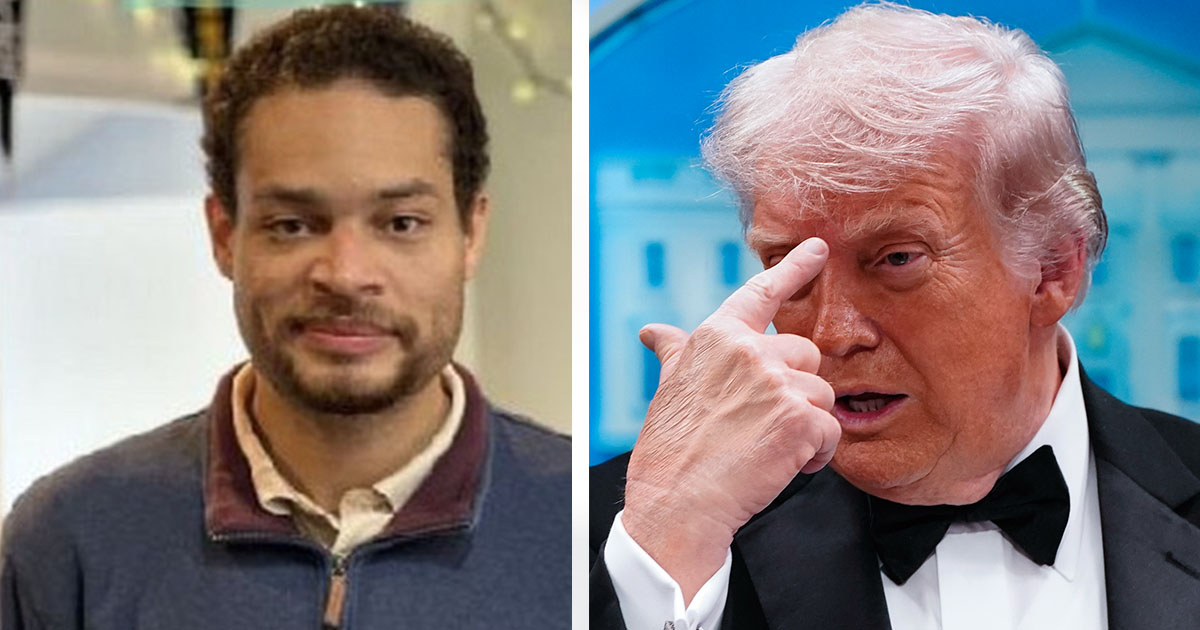

Andy Burnham’s premiership will kick off with an “absolute bloodbath” in the Cabinet, with several political heavyweights set for the axe, it has been suggested. Daily Express Associate Editor James Walker singled out three figures almost certain to be ousted under the new Labour leader in the latest episode of the Daily Expresso podcast.
He told host JJ Anisiobi that Deputy Prime Minister David Lammy, Chancellor Rachel Reeves and Foreign Secretary Yvette Cooper were in the most vulnerable positions, despite the seniority of their current roles. “David Lammy [is] not necessarily the sharpest member of the Cabinet,” Mr Walker said. “It would be very strange to keep him there. And frankly, I don’t really think there’s anyone who rates him particularly highly.
“He doesn’t command a wing of the party, he’s not super charismatic and he’s not one of those Corbyn figures who people rally around. He’s just kind of there.” Rachel Reeves’ sacking is also “an obvious one”, he said. “You can tell she thinks she’s going because she’s doing these press interviews now where she’s basically sending warnings to Andy Burnham. You can tell clearly that she’s been told behind the scenes ‘you’re not keeping your job’.”

He attributed this decision to Ms Reeves’ record as Chancellor, from the winter fuel payment debacle to her various unpopular tax rises.
“Every disaster of Keir Starmer‘s premiership, I’m not defending Starmer here, but I would say [can be] more or less laid at her door,” he added.
Mr Walker went on to describe Ms Cooper as “possibly the biggest name on the chopping block”.
“She’ll be one of the first [to go],” he said. “She used to be Home Secretary, did a pretty bad job of that if you remember. That’s when the whole small boats thing was going out of control.
“No one in Whitehall rates her. What sources have told me is that she takes about two weeks to make a decision on anything. I don’t think there’s any love lost between her and Burnham.
“She’s one of these dinosaurs that is too big to get rid of. So she’ll be moved to an easier role, a role where she can’t do too much damage.”
The incoming Westminster shakeup, which will see Mr Burnham formally take over from Mr Starmer as Prime Minister on July 20, will amount to an “absolute bloodbath”, Mr Walker said.
Mr Burnham, the former Greater Manchester mayor, who was elected as MP for Makerfield last month, has the backing of at least 349 Labour MPs to become their party leader.
It is now mathematically impossible for another candidate to secure the 81 supporters necessary to launch a late bid for the keys to Number 10
Government Reshuffles: How New Leaders Shape Their Teams and Political Direction
When a new political leader takes control of a government or a major party, one of the most closely watched decisions is often the formation of a new team. Cabinet appointments are not only about choosing individuals for important positions; they are also a way for leaders to demonstrate their priorities, reward experience, respond to public concerns, and establish a new political direction.
In the United Kingdom, government reshuffles have always attracted significant attention. A change in leadership often creates expectations that some ministers will leave, others will be promoted, and new figures will be brought forward. These moments can reveal much about the strategy and ambitions of a new administration.
The importance of a Cabinet
The Cabinet is the group of senior ministers responsible for leading major areas of government policy. It includes positions such as the Chancellor of the Exchequer, Foreign Secretary, Home Secretary, and other key roles.
Cabinet ministers are responsible for making decisions that affect millions of people. They manage government departments, develop policies, respond to national challenges, and represent the government in Parliament and internationally.
Because of this, selecting a Cabinet is one of the most important tasks facing any Prime Minister.
A leader must consider many factors:
- political experience;
- public reputation;
- ability to communicate effectively;
- knowledge of specific policy areas;
- relationships within the party;
- ability to work as part of a team.
Why leaders change ministers
There are several reasons why a new leader may decide to replace members of the Cabinet.
One reason is the desire for a fresh start. A new Prime Minister may want to show that their government represents a change from the previous administration. Bringing in new faces can create the impression of renewal and new energy.
Another reason is performance. Leaders may believe that certain ministers have struggled to achieve their goals, communicate policies clearly, or manage difficult situations.
However, removing experienced ministers can also carry risks. Senior politicians often have valuable knowledge of government systems and international relationships. Replacing too many experienced figures at once can create uncertainty.
The balance between loyalty and ability
Every political leader faces a difficult balancing act when choosing ministers.
Loyalty can be important because governments need people who support their overall vision and can work together effectively. A Cabinet filled with constant disagreement may make it harder to deliver policies.
At the same time, leaders usually need ministers with strong abilities, independent judgment, and expertise.
The most successful governments often combine political loyalty with professional competence.
The role of public opinion
Public opinion can strongly influence decisions about government personnel.
Ministers who become associated with unpopular policies or controversies may face pressure, even if they continue to have support within their own party.
Modern politics is also shaped by continuous media coverage. Social media, television debates, and online commentary mean that politicians are judged almost instantly after major announcements.
As a result, communication skills have become increasingly important for senior government figures.
The challenges of a new administration
A new government or leadership team often faces immediate challenges.
Economic issues, international events, healthcare pressures, immigration debates, and public service concerns can quickly test a new administration.
A leader may therefore choose ministers who are experienced in handling crises or who can present a different approach to major issues.
The first months of a new leadership are often considered a critical period because they shape public expectations and determine whether voters believe change is taking place.
The risks of major reshuffles
Although reshuffles can create opportunities, they can also produce problems.
Frequent changes may suggest instability or uncertainty. Ministers need time to understand their departments, build relationships with officials, and develop effective policies.
Large-scale replacements can also create internal tensions within political parties. Former ministers may feel disappointed, while supporters of different political groups may compete for influence.
For this reason, many leaders choose a careful approach, making changes gradually rather than replacing an entire team at once.
Experience versus renewal
One of the oldest debates in politics is whether governments benefit more from experience or from new ideas.
Experienced politicians often understand how government works and have established relationships with institutions and international partners.
Newer politicians may bring different perspectives, energy, and connections with changing parts of society.
A successful leadership team often needs both: experienced figures who provide stability and new voices who represent change.
How voters judge a new Cabinet
Ultimately, voters tend to judge governments based on results rather than simply the names of ministers.
A new Cabinet may receive attention during its first weeks, but public opinion is usually shaped over time by issues such as:
- economic performance;
- quality of public services;
- national security;
- living standards;
- trust in government decisions.
The effectiveness of a minister is often measured by whether they can deliver practical improvements.
The future of political leadership
Modern governments operate in a rapidly changing environment. Leaders must respond to technological developments, global economic pressures, environmental challenges, and changing expectations from citizens.
Building an effective government requires more than simply choosing popular figures. It requires creating a team capable of making difficult decisions, communicating clearly, and working together during challenging periods.
Conclusion
A change in political leadership is always a significant moment. Decisions about Cabinet appointments reveal a leader’s priorities and provide an early indication of the direction they want to take.
While reshuffles can bring fresh ideas and renewed confidence, they must also balance the need for change with the importance of experience and stability.
In the end, the success of any government depends not only on who holds the most important positions, but on how effectively the entire team works together to serve the public.