
Andy Burnham Receives Humiliating Two-Word Nickname Live on Ria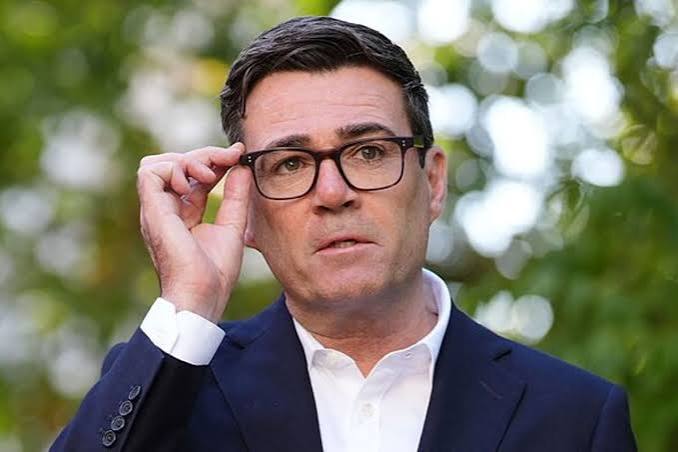
Andy Burnham has been handed an embarrassing new nickname during a live radio debate after his announcement of a nationwide £2 bus fare cap triggered a fierce political backlash.
The Prime Minister was branded “Uncosted Andy” by Reform UK’s Chief Advisor for Global Affairs, Alan Mendoza, during an appearance on LBC.
The nickname was intended as a direct attack on Burnham’s economic credibility, with Mendoza questioning how the government planned to pay for its latest cost-of-living promise.
The exchange quickly attracted attention, turning what was supposed to be a debate about affordable public transport into a wider argument about government spending, borrowing and taxation.
Burnham had announced that single bus fares across England would be capped at £2 from January. The policy was presented as part of his government’s attempt to reduce pressure on household budgets and make everyday travel more affordable.
For commuters who depend on buses to get to work, school, medical appointments and shops, the announcement appeared to offer welcome relief.
But critics immediately questioned whether the government had properly calculated the financial consequences.
During Wednesday’s edition of LBC, Mendoza challenged the Prime Minister’s approach and suggested that the announcement was another example of politicians making attractive promises without explaining how they would be funded.
He declared that Burnham had not properly costed the proposals and announced that he would call him “Uncosted Andy” from then on.
The remark was deliberately sharp, designed to turn a complicated argument about public finances into a simple political attack.
Mendoza continued by arguing that if the government failed to identify the money required for its commitments, it would eventually have to borrow more.\
He warned that increased borrowing could lead to concerns in financial markets, potentially putting pressure on interest rates.
Alternatively, he argued, taxpayers could eventually be required to cover the cost through higher taxes.
His criticism was aimed at the central question facing Burnham’s government: how can it promise to reduce the cost of living while also ensuring that public spending remains sustainable?
The argument is likely to become increasingly important as the administration attempts to demonstrate that it can deliver visible improvements without creating further financial problems.
For Burnham, the £2 bus fare announcement was intended to send a clear message that his government understands the pressures facing ordinary households.
Transport costs are a regular expense for millions of people. Even relatively small increases can make a difference to workers who travel every day, particularly those on modest incomes.
A lower fare can help families manage their budgets and make public transport more attractive compared with private vehicles.
The policy also has a political advantage. Unlike complicated economic reforms, a bus fare cap is easy for voters to understand.
A passenger who previously paid more than £2 for a qualifying single journey can immediately recognise the potential saving.
However, the financial arrangements behind the policy are less straightforward.
Bus services operate through a mixture of commercial routes, local authority-supported services and government funding arrangements. A national fare cap therefore requires decisions about how operators will be compensated and how the scheme will be administered.
Without sufficient funding, there could be concerns about pressure on services, operator finances and the ability of local authorities to maintain routes.
This is the area Mendoza was seeking to highlight.
His argument was that announcing a lower fare is only the beginning. The government must also explain who pays the difference and whether the promised savings can be maintained over time.
Burnham’s supporters would counter that government investment in public transport can deliver benefits beyond the immediate cost of a ticket.
Affordable buses can help people access employment, education and essential services. Better transport connections can also support local businesses and reduce dependence on cars.
In areas where services are limited, public funding may be necessary to ensure that communities are not left isolated.
The question is therefore not simply whether a £2 fare is affordable. It is whether the government can design a sustainable system that delivers the promised benefits without creating unacceptable costs elsewhere.
The political timing is also significant.
Burnham has made the cost-of-living crisis one of the central themes of his leadership. During his first Cabinet meeting, he pledged that his administration would focus on putting money back into people’s pockets.
That message is likely to remain central to Labour’s strategy.
But the opposition parties will be looking for weaknesses in every major announcement. Reform UK, in particular, wants to present itself as a party willing to challenge what it sees as unrealistic government promises.
Mendoza’s nickname was therefore more than an attempt to embarrass the Prime Minister. It was part of a broader effort to question Labour’s economic competence.
Reform will hope that voters begin to associate Burnham’s policies with unfunded commitments, additional borrowing and the possibility of higher taxes.
The Conservatives are also likely to examine the government’s spending plans closely, particularly as households continue to face pressure from mortgage payments, energy bills and everyday expenses.
Labour cannot afford to ignore these criticisms.
The party won support by promising practical improvements and a more stable approach to government. If voters begin to believe that its promises are not financially credible, the political consequences could be serious.
At the same time, Burnham faces a difficult choice.
If he avoids ambitious measures, critics may accuse him of failing to deliver meaningful change. If he announces substantial new spending, opponents will demand detailed explanations about where the money will come from.
The £2 bus fare cap illustrates this dilemma perfectly.
A policy can be popular with passengers while still raising legitimate questions about its financial design.
The government will need to explain the expected cost, the funding arrangements, the responsibilities of transport operators and whether the cap will remain in place beyond its initial period.
It will also need to demonstrate that cheaper fares do not come at the expense of service quality.
For passengers, the most important question is simple: will buses remain affordable, reliable and available when they need them?
A cheaper ticket offers limited value if routes are reduced, services become less frequent or rural communities lose connections.
Burnham’s government will therefore be judged not only on the headline price but also on whether the wider transport system improves.
The Prime Minister has defended his approach by arguing that reducing living costs is a priority for the public.
He has also stressed that good and affordable transport links are essential and that people should not be priced out of travelling.
Those are arguments likely to resonate with commuters who have watched transport costs rise.
Nevertheless, Mendoza’s intervention has ensured that the debate will not remain focused solely on the benefits of cheaper fares.
The nickname “Uncosted Andy” gives opponents a memorable phrase that can be repeated in interviews, political speeches and social media campaigns.
It also places Burnham under pressure to provide a detailed financial defence of his proposals.
Whether the attack damages his reputation will depend on what happens next.
If the government publishes convincing figures and demonstrates that the policy is properly funded, the nickname may become little more than a short-lived political joke.
If questions remain unanswered, however, opponents will continue using it to suggest that the Prime Minister announces policies before working out how to pay for them.
The exchange also reveals the increasingly confrontational atmosphere surrounding Burnham’s premiership.
Every major announcement is likely to be examined for its political and financial consequences. Ministers will have to defend not only the objectives of their policies but also the practical arrangements behind them.
For now, the £2 bus fare cap remains a potentially popular measure with an obvious appeal to commuters.
But Mendoza’s live radio intervention has shifted attention towards the question Labour would rather answer on its own terms: whether the government can make everyday life cheaper without passing the bill on to taxpayers.
Burnham may have hoped that his announcement would dominate the headlines as a victory for passengers.
Instead, he has been left defending his economic credibility after receiving a two-word nickname that his political opponents will be eager to repeat.
And unless the government provides a convincing explanation of how its promises will be funded, “Uncosted Andy” could prove difficult for the Prime Minister to shake off.