
Andy Burnham Puts Manchester on the World Stage: A New Era of Regional Leadership and Global Ambition
For generations, political and economic power in Britain has been heavily concentrated in London. The capital has traditionally been the centre of government, international diplomacy, finance, and global attention. However, the rise of influential regional leaders has begun to challenge this long-established pattern. Andy Burnham’s efforts to position Manchester as a destination for global leaders, including G20 representatives and figures such as Donald Trump, represent a broader ambition: to show that cities outside London can play a major role in shaping Britain’s future.
The idea of bringing world leaders to Manchester is not simply about hosting important visitors. It represents a statement about confidence, ambition, and the changing identity of modern Britain. Supporters believe Burnham has helped transform Manchester from a city often viewed through the lens of industrial decline into a globally recognised centre of innovation, culture, business, and political influence.
By inviting international leaders to Manchester, Burnham sends a message that global conversations should not happen only in traditional centres of power. Cities such as Manchester have their own histories, economies, and communities that deserve recognition on the international stage.
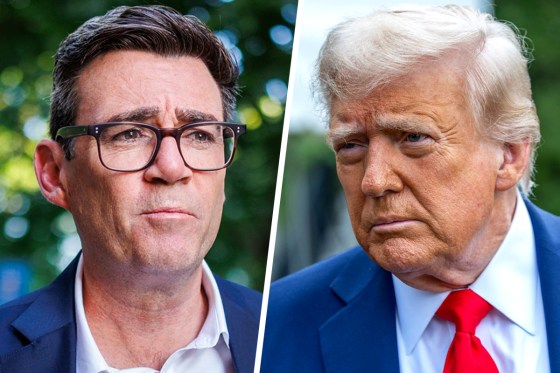
Manchester’s transformation over recent decades provides the foundation for this ambition. Once known primarily as the birthplace of the Industrial Revolution and a centre of manufacturing, the city has successfully reinvented itself as a hub for technology, education, science, sport, and creative industries.
The city is home to internationally respected universities, growing digital industries, major cultural institutions, and a diverse economy. Supporters argue that Manchester’s achievements demonstrate why regional cities should have a stronger voice in national and global discussions.
Burnham’s leadership has often focused on the idea that Britain’s future cannot depend solely on London. He has argued that empowering cities and regions can create a more balanced economy and reduce long-standing inequalities between different parts of the country.
Hosting major international figures in Manchester would therefore represent more than a diplomatic event. It would symbolise a shift in how Britain presents itself to the world: not as a country defined only by its capital city, but as a nation of ambitious and influential regions.
The potential involvement of Donald Trump adds another layer of significance. Regardless of individual opinions about Trump, his position as a former and influential US president means that meetings with him attract global attention. Inviting major international figures can create opportunities for trade discussions, investment, diplomacy, and increased visibility.
Supporters argue that political leaders should engage with influential figures from across the world, even when disagreements exist. They believe diplomacy requires communication, and cities like Manchester should be confident enough to participate in global conversations.
From this perspective, welcoming world leaders is not about endorsing every policy or viewpoint they represent. Instead, it is about creating opportunities for dialogue and promoting Manchester’s interests.
A city that attracts international attention can potentially benefit in many ways. Global events can bring investment, strengthen tourism, increase business opportunities, and showcase local industries to international audiences. For Manchester, greater global recognition could support economic growth and create opportunities for future generations.
Supporters believe Burnham understands the importance of international reputation. In the modern economy, cities compete globally for investment, talent, and innovation. A city that is visible on the world stage is more likely to attract businesses, researchers, entrepreneurs, and visitors.
The ambition also reflects a wider movement toward city-based leadership around the world. Many successful global cities operate with significant influence beyond their national governments. Cities such as New York, Paris, Singapore, and Berlin are recognised internationally because of their economic and cultural importance.
Supporters argue that Manchester has similar potential. Its population, universities, business community, and cultural influence provide the foundation for a stronger global role.
However, not everyone agrees with this approach. Critics may question whether inviting controversial figures creates unnecessary political disputes or distracts from local priorities. Some argue that regional leaders should focus primarily on issues closer to home, such as housing, transport, healthcare, and public services.
These concerns reflect an important debate about the responsibilities of local government. A mayor must balance international ambition with the everyday needs of residents. Global recognition is valuable, but it must ultimately contribute to improving life for local communities.
There are also questions about whether international events deliver long-term benefits or simply create temporary publicity. Hosting famous figures can generate headlines, but critics argue that success should be measured by lasting investment, improved infrastructure, and better opportunities for residents.
Supporters respond that visibility is an essential first step. A city cannot attract global opportunities if it is invisible internationally. Building a reputation requires ambition, networking, and the willingness to compete on a larger stage.
Burnham’s approach represents a belief that Manchester should not wait for national government to define its future. Instead, the city should actively promote itself, develop international relationships, and demonstrate what regional leadership can achieve.
This approach has become increasingly important as Britain continues to debate its role in the world after leaving the European Union. Cities and regions are seeking new international partnerships in areas such as trade, education, climate technology, and innovation.
Manchester’s global ambitions fit into this changing environment. By presenting itself as open, confident, and internationally engaged, the city aims to strengthen its position in a competitive global economy.
Ultimately, Andy Burnham’s efforts to bring international attention to Manchester represent a broader vision of what British cities can become. The message is that leadership and influence should not be limited to Westminster and London. Communities across the country have the potential to contribute to global conversations and shape the future.
Whether people support or criticise the decision to invite figures such as Donald Trump, the underlying ambition is clear: Manchester wants to be recognised as a city capable of engaging with the world.
In the end, putting Manchester on the global map is about more than hosting powerful individuals. It is about changing perceptions, creating opportunities, and demonstrating that regional cities can have international importance. For supporters of Burnham’s vision, Manchester is no longer looking toward London for recognition—it is confidently presenting itself to the world