

Andy Burnham Announces He Will Give Away Part of His £182,000 Salary to Fight Homelessness
Andy Burnham, the newly appointed Prime Minister of the United Kingdom, has made a significant personal commitment to tackling homelessness by announcing that he will donate 15% of his salary to causes supporting people who are sleeping rough. His decision has attracted considerable attention because it connects his personal finances with one of the central social issues he has promised to address as Prime Minister. Burnham’s annual salary is approximately £182,000, meaning that his donation could amount to around £27,000 a year. The announcement comes as his government launches an ambitious national campaign to help people sleeping rough find accommodation and support.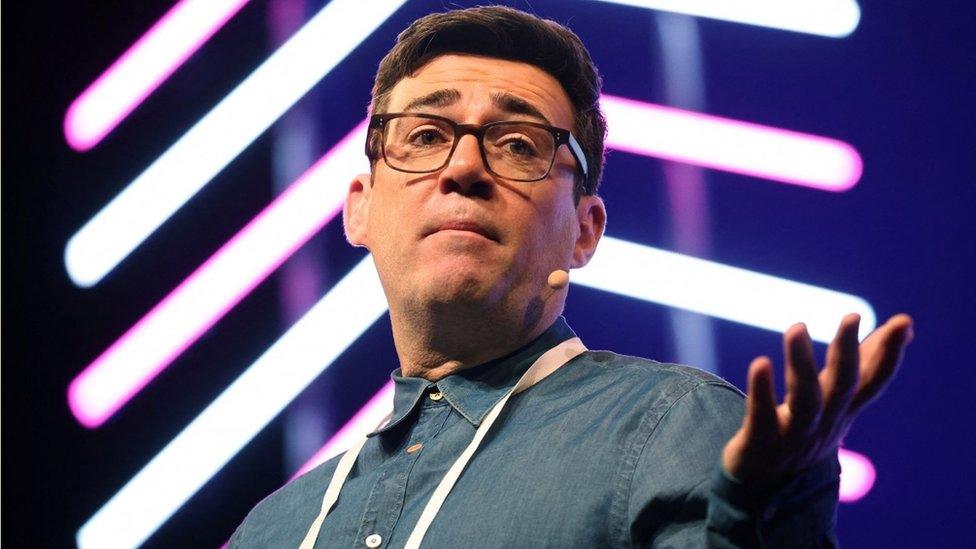
Burnham’s decision is not entirely new. During his nine years as Mayor of Greater Manchester, he regularly donated part of his salary to homelessness-related causes. His commitment to helping vulnerable people therefore appears to be a continuation of an approach that he developed before entering Downing Street. In June 2026, before becoming Prime Minister, he also announced that he would donate 15% of his parliamentary salary to local causes in his Makerfield constituency. At that time, an MP’s salary was £98,599. His latest announcement extends this personal commitment into his new national role.
The amount involved is significant on a personal level, although it represents only a small part of the government’s overall spending on homelessness. Burnham’s full Prime Ministerial salary is reported at about £182,436, consisting of his parliamentary salary and an additional payment associated with his position as Prime Minister. Fifteen per cent of that total is roughly £27,000. While this amount cannot solve Britain’s homelessness crisis by itself, Burnham has argued that political leaders should demonstrate through their own actions that they are serious about the problems they ask other people to help solve.
The announcement is particularly important because homelessness has become one of the most visible social problems facing Britain. Official figures and recent reporting indicate that thousands of people are sleeping rough in England. In autumn 2025, 4,793 people were identified as sleeping rough on a single night, nearly twice the level recorded in 2021. These figures show how difficult it has been to maintain the progress made during the Covid-19 pandemic, when the government introduced emergency programmes to move people sleeping on the streets into accommodation.
Burnham has made ending rough sleeping one of the priorities of his new government. His administration has announced a national drive intended to offer people sleeping rough a route away from the streets by Christmas. The programme includes emergency accommodation, longer-term housing support, medical assistance and help with problems such as addiction. The government has committed an additional £102 million to the initiative, bringing the overall funding associated with the national campaign to around £442 million. It has also previously pledged £340 million over three years and plans to create more than 1,000 permanent homes for people affected by homelessness.
Burnham’s personal donation therefore comes at a time when his government is attempting to combine public spending with wider community involvement. He has called on councils, charities, religious organisations, businesses and community groups to contribute to the campaign. The Prime Minister has argued that government action alone may not be sufficient to eliminate rough sleeping. His appeal reflects lessons from the pandemic-era “Everyone In” programme, when cooperation between central government, local authorities and charities helped bring large numbers of vulnerable people indoors.
One of the strongest aspects of Burnham’s announcement is the symbolic message behind it. Politicians are often criticised for enjoying salaries and privileges that ordinary citizens do not have. By voluntarily giving away part of his own income, Burnham is attempting to show that he is prepared to make a personal contribution to the cause he is promoting. His message is essentially that leadership should involve more than making speeches or announcing government policies. Leaders should also be willing to sacrifice something themselves.
This idea is especially relevant to homelessness because the problem is not simply about people lacking money. Rough sleeping can be connected to many complicated circumstances, including mental health difficulties, addiction, unemployment, family breakdown, rising housing costs and a shortage of affordable homes. Providing temporary accommodation may save someone’s life during a crisis, but it does not necessarily solve the underlying reasons why that person became homeless. For this reason, Burnham’s programme includes not only emergency accommodation but also longer-term housing and support.
Nevertheless, there are questions about whether the government’s ambitious target can realistically be achieved. Charities and local authorities have welcomed the political attention given to homelessness, but some have warned that the problem requires sustained investment rather than short-term initiatives. Britain also faces a much wider housing crisis, with many families living in temporary accommodation and struggling with high rents. Ending rough sleeping would therefore be only one part of the broader challenge of ensuring that people have secure and affordable homes.
Another issue is whether a personal donation from a politician can make a meaningful difference compared with government policy. Around £27,000 a year is a relatively modest sum when compared with hundreds of millions of pounds in public funding. However, the importance of Burnham’s decision should perhaps not be measured only in financial terms. His donation can help raise awareness, demonstrate personal commitment and encourage other people with influence to contribute. The wider campaign depends on cooperation, and visible leadership can sometimes encourage that cooperation.
Burnham’s decision also fits with his political identity. As Mayor of Greater Manchester, he developed a reputation for focusing strongly on regional inequality, public services and homelessness. He previously donated part of his mayoral salary to selected causes, and the Greater Manchester Mayor’s Charity has recorded donations associated with him. This history gives his latest announcement greater credibility because it is consistent with behaviour he has demonstrated over several years rather than being an entirely new gesture made after entering Downing Street.
At the same time, Burnham’s government faces considerable political pressure. His decision to donate part of his salary comes shortly after he became Prime Minister and amid scrutiny of political donations and financial interests. Recent reports revealed that Burnham received hundreds of thousands of pounds in donations and support before becoming Prime Minister, although these were reported as being declared according to parliamentary rules. Against this background, voluntarily donating part of his official salary may also be viewed as an attempt to emphasise public service and personal responsibility.
Ultimately, Andy Burnham’s announcement is both a practical contribution and a political statement. Giving away 15% of a £182,000 salary will not end homelessness, but it sends a clear message about the kind of leadership he wants to present. His government is promising substantial public funding and a national effort to reduce rough sleeping, while Burnham himself is putting some of his own income behind the cause.
The real test, however, will not be the amount of money Burnham gives away. It will be whether his government can produce lasting reductions in rough sleeping and provide people with stable homes and the support they need to remain housed. If his administration succeeds, the personal donation will become an important symbol of a much larger achievement. If it fails, critics may argue that individual generosity cannot compensate for structural problems in Britain’s housing and welfare systems.
For now, Burnham’s decision has helped place homelessness firmly at the centre of his early premiership. By pledging part of his £182,000 salary, he is attempting to lead by example while asking the rest of society to join a national effort. His message is straightforward: government has a responsibility to act, but tackling homelessness also requires compassion, cooperation and personal commitment. Whether this approach can transform Britain’s homelessness crisis remains uncertain, but Burnham’s willingness to contribute his own money has given his promise a distinctive and highly personal dimension.