


Andy Burnham Just Did Something Completely Mad – Now We’ll All Have to Pay
Politics has always been about difficult choices. Every government promises lower taxes, better public services, stronger economic growth, and a brighter future. Unfortunately, reality rarely allows politicians to achieve all four goals at the same time. Whenever a leader announces a major spending initiative, one unavoidable question follows: who is going to pay for it?
That question has returned to the center of British politics after Andy Burnham proposed an ambitious overhaul of England’s social care system, including the long-term goal of creating a nationally funded care service similar to the NHS. Burnham has argued that the current system is unfair, fragmented, and leaves too many elderly people facing devastating financial costs. He has also acknowledged that meaningful reform could require higher taxes or new sources of public funding.
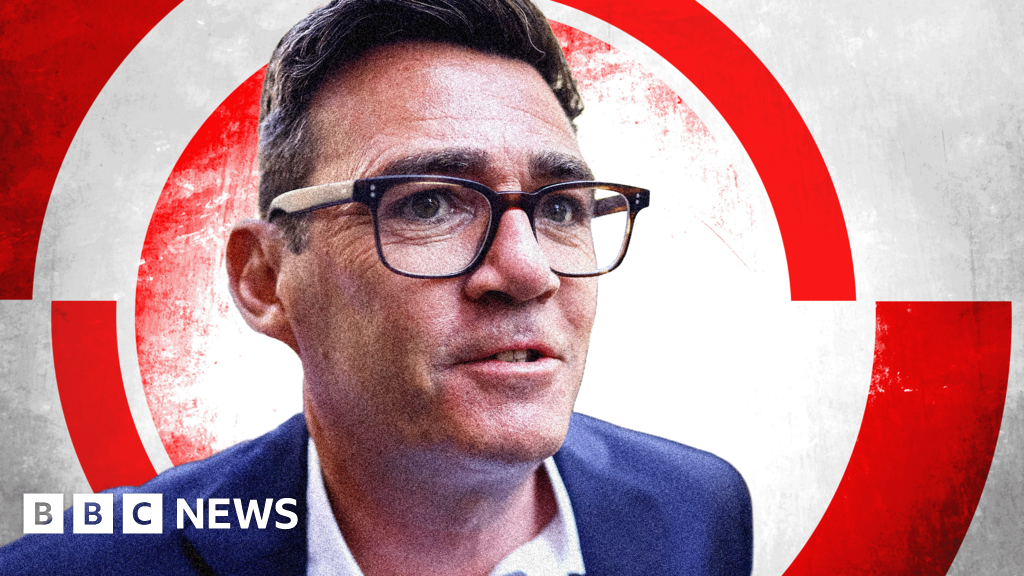
Supporters describe the proposal as bold and compassionate. Critics call it financially reckless. Whatever side people choose, one thing is certain: if the reforms move forward, the costs will eventually fall on taxpayers.
The United Kingdom is facing a demographic challenge unlike anything seen in previous generations. People are living longer than ever before thanks to advances in medicine, improved healthcare, and healthier lifestyles. While this is undoubtedly good news, it also creates enormous pressure on social care services.
Every year, more elderly people require assistance with daily activities, nursing care, or residential care homes. These services are expensive, labour-intensive, and increasingly difficult to provide. Unlike the NHS, social care has never enjoyed universal public funding, leaving many families responsible for paying significant sums themselves.
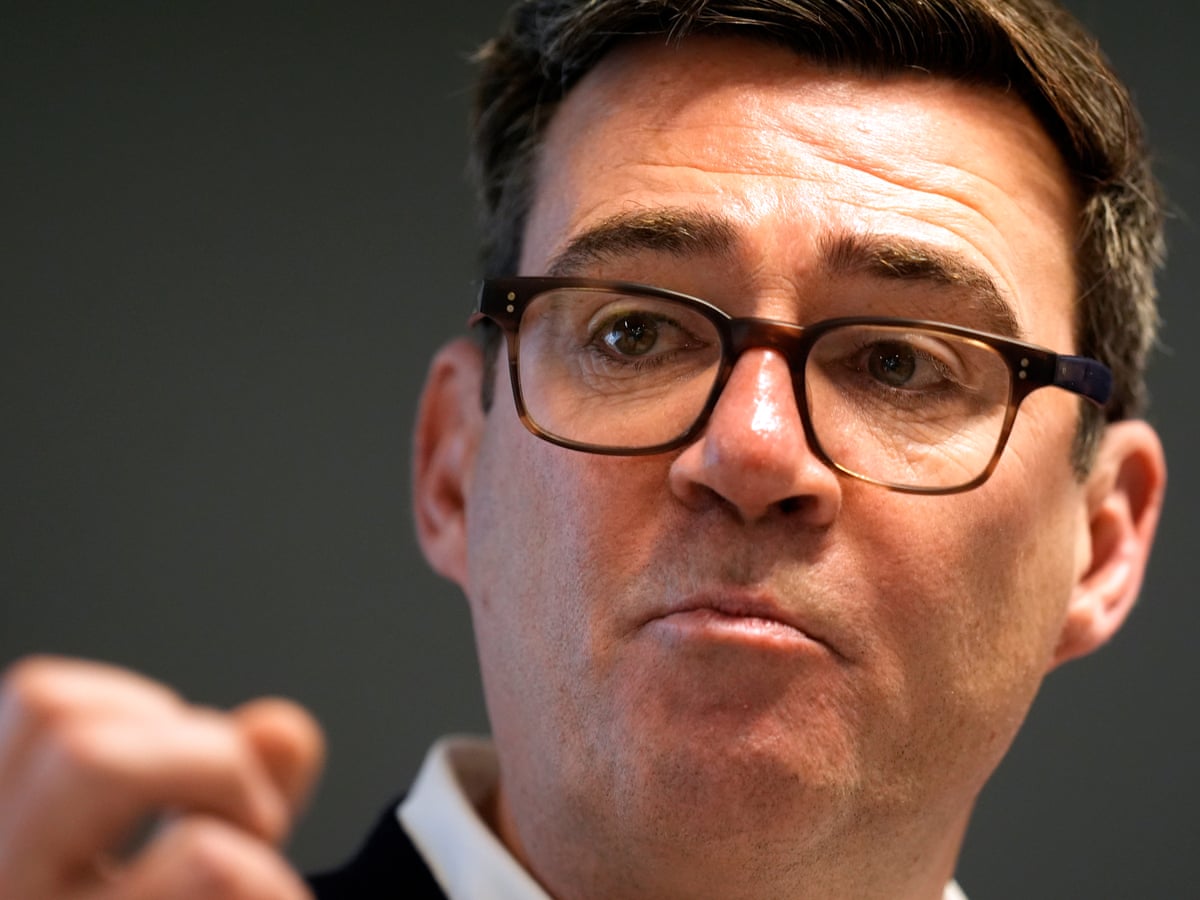
Burnham argues that this model is simply unsustainable. No family, he says, should have to sell their home simply because an elderly relative needs long-term care. Instead, society should spread those costs across everyone through taxation.
At first glance, the argument sounds persuasive. After all, most people agree that older citizens deserve dignity and security. Few would argue against helping vulnerable people receive quality care.
However, good intentions do not automatically create good economics.
The biggest concern is the sheer size of the bill. Experts estimate that fully transforming England’s social care system would require billions of pounds every year. Raising wages for care workers, expanding eligibility, improving facilities, and creating a national care service would all require sustained government spending over decades.
Where would this money come from?
There are only a handful of realistic options.
The government could increase income tax.
It could raise National Insurance contributions.
It could introduce new wealth taxes.
It could increase borrowing.
Or it could reduce spending elsewhere.
None of these choices are politically easy.
Tax increases immediately affect workers and businesses. More borrowing adds to the national debt, leaving future generations with larger interest payments. Spending cuts in other departments often mean fewer resources for education, policing, transport, or defence.
This is why critics have reacted so strongly. They argue that Burnham’s proposal ignores basic economic trade-offs.
Businesses are also watching carefully. Many employers already complain about high labour costs, rising energy bills, and increased regulation. Additional taxation could discourage investment, reduce hiring, or slow economic growth.
Small businesses, in particular, often operate with narrow profit margins. Even modest increases in payroll taxes can make expansion more difficult.
Economic growth remains the single biggest source of future tax revenue. If higher taxes reduce growth, governments may ultimately collect less revenue than expected.
That creates a dangerous cycle.
Higher spending requires higher taxes.
Higher taxes slow economic growth.
Slower growth reduces tax income.
Lower tax income creates larger budget deficits.
Governments respond by increasing taxes again.
Many economists worry about entering exactly this kind of cycle.
On the other hand, supporters argue that failing to reform social care carries hidden economic costs of its own.
Millions of unpaid family carers reduce their working hours or leave employment altogether in order to care for elderly relatives.
Hospitals often struggle to discharge patients because suitable care arrangements are unavailable.
Care workers frequently leave the profession because wages remain too low.
All of these problems reduce productivity across the wider economy.
Supporters therefore argue that increased spending should be viewed as an investment rather than simply another cost.
If better care enables more people to stay in work while reducing pressure on hospitals, the economy could benefit over the long term.
This debate illustrates why public policy is rarely straightforward.
Every statistic tells only part of the story.
Public opinion is equally divided.
Many younger workers already feel financially stretched by rising housing costs, student debt, and inflation. They question whether they should face higher taxes to support a system they may not benefit from for decades.
Older voters, meanwhile, often believe they have already contributed through decades of taxation and therefore deserve comprehensive care without risking their life savings.
Both perspectives contain elements of truth.
Intergenerational fairness has become one of the defining political questions of modern Britain.
There is also the issue of political credibility.
British governments have discussed social care reform for decades.
Successive administrations have produced reports, commissions, consultations, and policy papers.
Yet lasting reform has repeatedly failed because politicians fear the electoral consequences of higher taxes.
Burnham has argued that avoiding difficult decisions simply postpones the problem until it becomes even more expensive.
Whether voters agree remains uncertain.
Timing also matters.
Britain continues to face wider economic challenges including inflationary pressures, tight public finances, and demands for investment across multiple sectors. Analysts have warned that these pressures leave little room for major new spending commitments without difficult fiscal choices.
Against that backdrop, any proposal involving higher public spending naturally attracts intense scrutiny.
Media coverage has reflected this divide.
Some newspapers portray Burnham as a courageous reformer willing to confront problems previous governments ignored.
Others accuse him of making promises that taxpayers simply cannot afford.
Such disagreements are hardly surprising.
Modern politics increasingly rewards simple slogans rather than complicated financial discussions.
It is much easier to promise better services than to explain exactly how they will be funded.
That leaves voters facing an uncomfortable reality.
Everyone wants excellent healthcare.
Everyone wants high-quality social care.
Everyone wants lower taxes.
Unfortunately, economics rarely allows all three simultaneously.
Perhaps the most important question is not whether Britain should spend more on social care.
The real question is whether citizens are willing to pay more for it.
If voters genuinely believe elderly people deserve comprehensive support regardless of personal wealth, then higher taxes may become politically acceptable.
If they do not, governments will continue searching for cheaper solutions that may never fully solve the problem.
Burnham’s proposal forces Britain to confront this choice directly.
In that sense, calling the plan “mad” may oversimplify the issue.
Large-scale reforms often appear unrealistic before they become accepted. The NHS itself faced enormous criticism before becoming one of Britain’s defining public institutions.
Equally, history contains countless examples of governments promising generous benefits without fully considering long-term affordability.
The ultimate outcome will depend not on headlines but on careful budgeting, economic growth, political compromise, and public trust.
For now, the debate continues.
Supporters believe Burnham is finally tackling one of Britain’s biggest unresolved problems.
Critics believe he is asking taxpayers to shoulder another enormous financial burden at exactly the wrong moment.
Both sides acknowledge one unavoidable fact.
Transforming social care will not be free.
Whether the country ultimately embraces higher taxation, accepts greater public borrowing, or rejects large-scale reform altogether, someone will have to pay.
That has always been the uncomfortable truth behind every ambitious political promise—and it is unlikely to change anytime soon.