
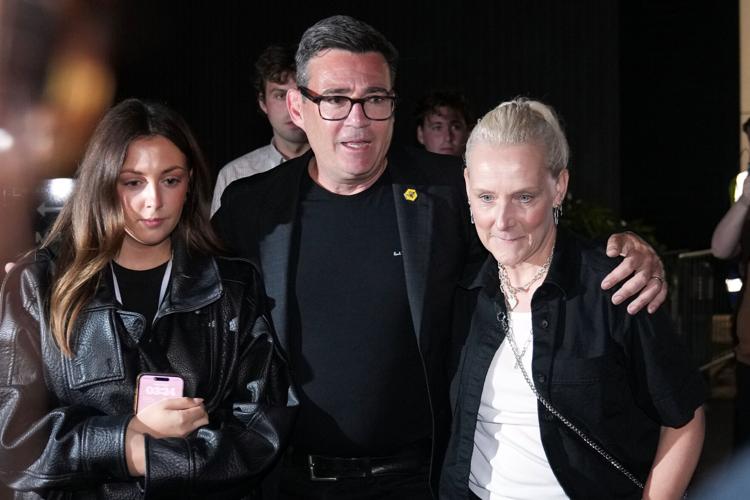
Andy Burnham Is on a Winning Streak – Now He’s Got a “Secret” General Election Plot
Few politicians in modern British politics have enjoyed as much sustained regional popularity as Andy Burnham. Over the years, the Mayor of Greater Manchester has built a reputation as a strong advocate for local communities, public services, and greater devolution of power from Westminster to England’s city regions. His electoral success has led many commentators to describe him as being on a “winning streak.” At the same time, growing speculation about his national political ambitions has prompted headlines suggesting that he may have a “secret general election plot.” While such claims are largely speculative, they raise interesting questions about Burnham’s political future and his potential influence on British politics.
Andy Burnham first entered Parliament in 2001 and later served in several senior government positions, including Health Secretary and Culture Secretary. Although he unsuccessfully sought the Labour Party leadership, his political career took a new direction when he was elected the first Mayor of Greater Manchester in 2017. He won re-election convincingly and became one of the country’s most recognizable regional leaders.
Much of Burnham’s popularity stems from his willingness to challenge central government when he believes local communities are being treated unfairly. During the COVID-19 pandemic, for example, he attracted national attention by demanding greater financial support for Greater Manchester during lockdown restrictions. His public disagreements with the government elevated his national profile and earned praise from many who believed he was defending the interests of local residents.
Since then, Burnham has continued to champion policies aimed at improving public transport, increasing affordable housing, supporting economic development, and expanding local decision-making powers. Under his leadership, Greater Manchester has pursued significant reforms to its transport network, including greater public control over bus services. Many supporters view these initiatives as evidence that devolved government can deliver practical improvements for everyday citizens.
Success at the regional level naturally leads to speculation about national ambitions. British politics has a long history of local leaders eventually seeking influence on the national stage. As Burnham’s popularity has grown, journalists and political commentators have increasingly questioned whether he intends to return to Westminster and play a larger role in future general elections.
The phrase “secret general election plot” should therefore be understood as political rhetoric rather than a verified description of events. There is no public evidence that Burnham is engaged in a hidden campaign or conspiracy. Instead, the expression reflects speculation that he may be carefully positioning himself for greater national influence, whether through shaping Labour Party policy, supporting election campaigns, or potentially seeking senior government office in the future.
Political strategy often involves careful timing. Experienced politicians rarely announce long-term ambitions years in advance. Instead, they focus on building a successful record, strengthening public recognition, and developing credibility among voters. If Burnham hopes eventually to return to national politics, continuing to deliver successful policies in Greater Manchester would likely strengthen rather than weaken his prospects.
Supporters argue that Burnham’s leadership style makes him an attractive national figure. They point to his communication skills, willingness to engage directly with the public, and emphasis on practical problem-solving. Unlike politicians who focus primarily on ideological debates, Burnham often presents himself as someone concerned with tangible issues such as transport, housing, healthcare, and employment. This approach appeals to many voters seeking effective governance rather than political confrontation.
Critics, however, offer a different perspective. Some argue that Burnham carefully cultivates a public image designed to maximize his national popularity. They suggest that highly publicized disagreements with central government sometimes serve political as well as policy objectives. Others question whether achievements in Greater Manchester could easily be replicated across the United Kingdom, where economic and social conditions vary significantly.
Media attention has contributed significantly to speculation surrounding Burnham’s future. Modern political reporting frequently emphasizes personalities alongside policies. Headlines suggesting hidden plans or secret strategies generate public interest, even when they are based largely on informed speculation rather than confirmed evidence. As a result, discussions about Burnham’s ambitions often become as prominent as debates about his actual policies.
Within the Labour Party, Burnham occupies an interesting position. Although he is no longer a Member of Parliament, he remains one of Labour’s most recognized politicians outside Westminster. His experience in both national and local government provides him with a unique perspective on governance. Should future opportunities arise, many observers believe he would remain an influential voice in shaping the party’s direction.
General elections require political parties to present convincing solutions to a wide range of national challenges, including economic growth, healthcare, education, defence, immigration, environmental sustainability, and public finances. Burnham’s experience managing a major metropolitan region could strengthen his credibility in discussions about these issues. At the same time, moving from regional leadership to national government would present entirely different responsibilities and levels of scrutiny.
Another factor encouraging speculation is Burnham’s consistent electoral success. Politicians who repeatedly win elections often attract attention from party leaders seeking effective campaigners. A strong electoral record demonstrates an ability to connect with voters, communicate policies clearly, and build lasting public support. Whether or not Burnham personally seeks a larger role, his popularity alone makes him an important figure within Labour politics.
Nevertheless, it would be misleading to conclude that Burnham is secretly preparing to contest a general election in some hidden or conspiratorial manner. Political careers develop through changing circumstances, party decisions, and electoral opportunities. Future events—including leadership changes, cabinet appointments, or evolving national priorities—could influence his path far more than any long-term personal strategy.
Ultimately, the debate surrounding Burnham reflects broader questions about leadership in modern democracy. Voters increasingly seek politicians who combine competence with authenticity. Successful local leaders often become symbols of practical governance, particularly when national politics appears polarized or ineffective. Burnham’s record in Greater Manchester has undoubtedly strengthened his reputation, but national leadership would require earning trust across a much broader electorate.
In conclusion, Andy Burnham’s continued political success has naturally generated speculation about his future ambitions. Describing these ambitions as a “secret general election plot” makes for an eye-catching headline, but it is better understood as political commentary than as an established fact. Burnham’s achievements in Greater Manchester have positioned him as one of Britain’s most influential regional politicians, and his future role will likely continue to attract public interest. Whether he remains focused on local government or eventually returns to national politics, his career illustrates how effective regional leadership can shape debates far beyond city boundaries. Ultimately, his future will depend not on speculation or dramatic headlines, but on the decisions he makes, the opportunities that arise, and the confidence voters continue to place in his leadership.