

Andy Burnham Bounce Ends Reform’s 15-Month Polling Streak
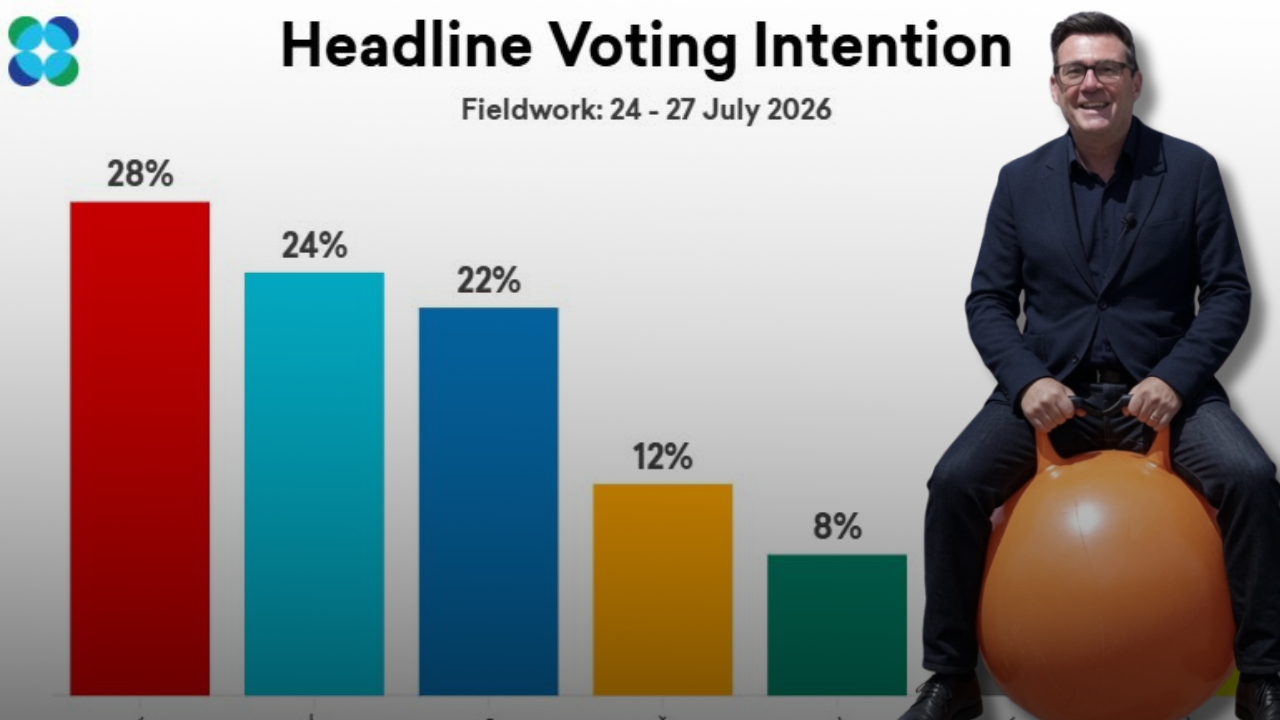
British politics is often unpredictable, but every now and then a single event reshapes the political landscape almost overnight. After more than a year in which Reform consistently dominated opinion polls and appeared to be gaining unstoppable momentum, the latest surveys suggest that trend may finally have come to an end. Political commentators have begun referring to the shift as the “Andy Burnham bounce”—a noticeable increase in support for Labour that has interrupted Reform’s remarkable 15-month polling streak.

While one poll is never enough to determine the outcome of a future general election, changes in public opinion can influence political strategy, media coverage, and voter confidence. If the latest polling reflects a genuine change rather than a temporary fluctuation, both Labour and Reform may need to rethink their campaigns over the coming months.
For more than a year, Reform enjoyed an extraordinary period of political growth. The party successfully attracted voters who were frustrated with the traditional political establishment, arguing that neither Labour nor the Conservatives had delivered meaningful improvements on issues such as immigration, taxation, public services, and economic growth.

Its message resonated with many voters who felt ignored by Westminster politics.
As Reform’s popularity increased, political analysts began questioning whether Britain’s traditional two-party system was undergoing a significant transformation. Some even suggested that Reform could permanently reshape the country’s political landscape by attracting large numbers of former Conservative supporters while also appealing to working-class voters who had previously backed Labour.
Throughout this period, Labour struggled to dominate political headlines. Although the party remained competitive in national surveys, Reform frequently attracted the greatest media attention, particularly whenever debates focused on immigration, border security, or government spending.
That pattern appears to have changed.
Recent polling indicates that Labour has regained momentum, with Andy Burnham receiving increasing recognition from voters who believe the party has become more focused on practical solutions rather than political slogans. Although polling results naturally vary between different research organisations, several surveys suggest Labour has narrowed the gap or even moved ahead in voting intentions after months of relatively stable trends.
Political observers describe this improvement as the “Burnham bounce.”
The phrase refers to the boost in public support that sometimes follows strong political performances, major speeches, successful policy announcements, or periods of positive media coverage. Similar political “bounces” have occurred many times in British history, particularly after party conferences, election debates, or leadership changes.
Whether Burnham’s momentum proves durable remains uncertain.
Opinion polls capture public attitudes at a specific moment rather than guaranteeing future election outcomes. Events occurring over the next several months—including economic developments, government decisions, and international events—could significantly alter voter priorities.
Nevertheless, the latest figures have already changed the political conversation.
Instead of asking whether Reform can continue extending its impressive polling streak, analysts are now debating whether Labour has finally discovered an effective strategy for reconnecting with undecided voters.
Several factors may explain the shift.
First, voters often become more cautious as elections approach. Protest parties frequently perform well in opinion polls because they allow citizens to express dissatisfaction with the political establishment. However, when election day draws closer, some voters return to larger parties that they believe have a greater chance of forming a stable government.
This pattern has appeared repeatedly in democratic countries around the world.
Second, leadership matters.
Opinion polls consistently show that many voters evaluate not only party policies but also the personalities leading those parties. Confidence, communication skills, and perceived competence often influence electoral decisions as much as individual manifesto commitments.
Burnham has increasingly attempted to present himself as a pragmatic leader focused on improving public services, encouraging economic investment, and reducing regional inequalities. Rather than relying primarily on ideological arguments, he has emphasised practical solutions and local experience.
Supporters argue that this approach makes Labour appear more credible.
Critics, however, question whether broad political messages can be translated into effective national policies. They argue that ambitious promises regarding healthcare, transport, housing, and economic growth require substantial public funding, making implementation considerably more complicated than campaign speeches suggest.
Reform, meanwhile, continues defending its record.
Party representatives insist that temporary polling fluctuations should not distract from the broader trend observed over the previous fifteen months. They argue that public dissatisfaction with traditional politics remains widespread and that many voters continue seeking alternatives to Britain’s established parties.
According to Reform supporters, long-term political frustration cannot be reversed simply because one or two opinion polls produce different results.
That argument highlights an important feature of modern politics.
Campaigns increasingly operate in a twenty-four-hour news environment where individual polling results receive enormous attention. Headlines often describe minor statistical movements as dramatic political breakthroughs, even though subsequent surveys sometimes return to previous patterns.
Professional pollsters therefore encourage caution when interpreting individual results.
Most explain that genuine political trends become clearer only after multiple independent surveys consistently point in the same direction.
Media coverage nevertheless plays an important role.
Positive headlines can increase confidence among party activists, encourage campaign donations, and improve volunteer recruitment. Negative headlines may have the opposite effect, creating doubts among supporters while energising political opponents.
Consequently, both Labour and Reform understand that perception matters almost as much as polling itself.
Economic conditions will also influence future voting behaviour.
Inflation, employment opportunities, mortgage costs, taxation, energy prices, and household finances remain among the issues voters consistently identify as their highest priorities. Any significant improvement or deterioration in these areas could reshape public opinion regardless of current polling trends.
Immigration is likely to remain another defining issue.
Reform has built much of its political identity around promises to strengthen border security and reduce immigration levels. Labour, by contrast, has attempted to present a broader agenda combining economic growth, investment, public services, and institutional reform.
Whichever message proves more convincing may determine whether recent polling changes become permanent.
Political history offers countless examples where early momentum disappeared before election day.
Likewise, parties written off by commentators have sometimes achieved remarkable recoveries during election campaigns.
For this reason, experienced strategists rarely celebrate individual polling victories too enthusiastically.
Instead, they focus on maintaining consistent public engagement over many months.
The so-called Burnham bounce may therefore represent either the beginning of a significant political realignment or simply a temporary pause in Reform’s impressive rise.
At this stage, nobody can know with certainty.
What is clear, however, is that Britain’s political landscape remains highly competitive. Voters appear more willing than ever to reconsider traditional loyalties, compare competing visions, and reward parties they believe offer practical answers to contemporary challenges.
That uncertainty ensures every major speech, policy announcement, leadership debate, and opinion poll will receive close scrutiny in the months ahead.
For Labour, the latest polling provides renewed confidence that its message may finally be gaining traction with the electorate.
For Reform, it serves as a reminder that political momentum cannot be taken for granted, regardless of how impressive previous polling performances may have been.
As the next election approaches, both parties understand that public opinion remains fluid.
Today’s polling leader is not always tomorrow’s election winner.
The Burnham bounce may have ended Reform’s remarkable fifteen-month streak, but the broader contest for Britain’s political future is only just entering its most important phase.