

Should Burnham drop talk of rejoining the EU?
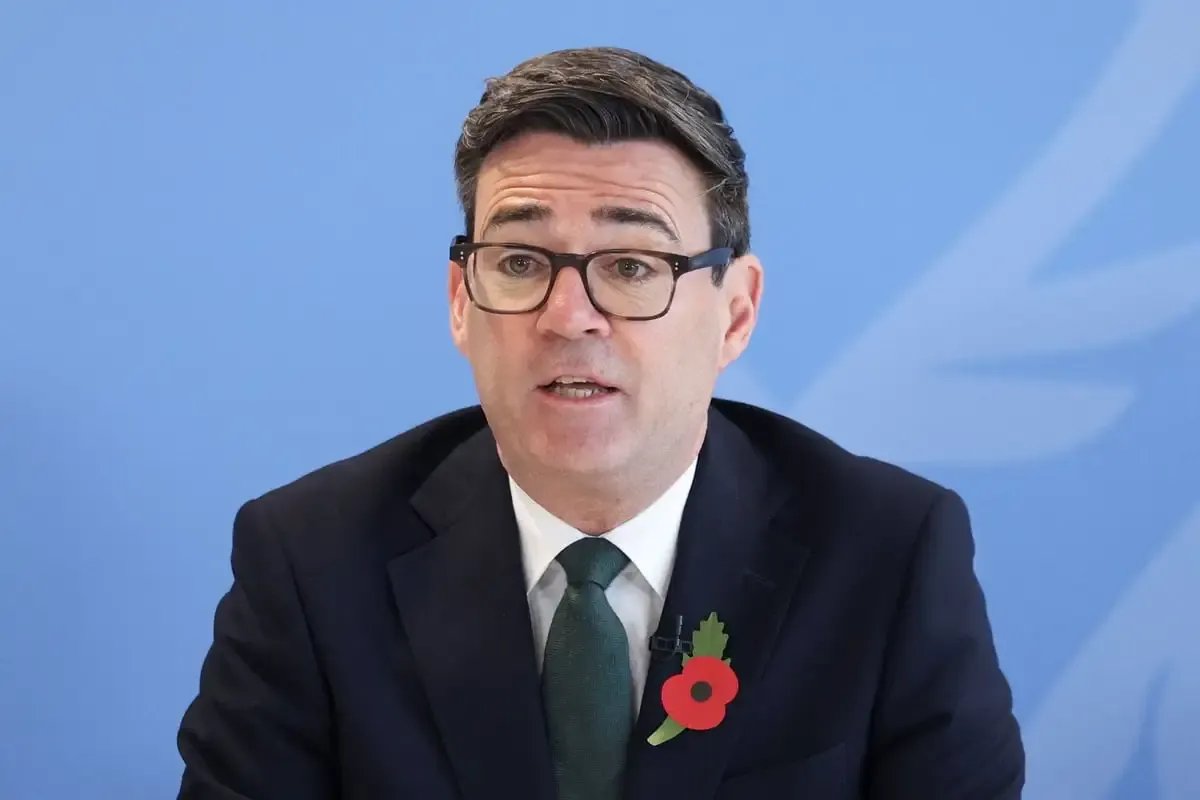
Andy Burnham has left open Britain rejoining the European Union from as soon as 2030 while blaming Brexit for weaker border controls and a hit to the economy.
Speaking to ITV’s Good Morning Britain ahead of 100 days in office, the Prime Minister said the country got “a harder Brexit than was proposed in the referendum campaign.”
Advertisement
He stated it had “weakened our economy” and “weakened our control of immigration,” adding that the small boats crisis “has arisen since” and that Britain now faces “a different form of migration.”
Advertisement
He ruled out rejoining during this Parliament, which ends in 2029.
Pressed on whether he wanted Britain back in, he said he would like to see it happen “in my lifetime” but would not “move ahead of the public.”
Those words keep the door open from 2030 onwards.
Burnham also called for an “honest discussion” about a possible return to free movement as part of a new relationship with the bloc.
Advertisement
He wants options considered that could include full membership or the single market, both of which bring free movement.
Labour’s 2024 manifesto red lines barred free movement, single market membership and a customs union, so any big shift would wait until after the next election.
Nigel Farage gave the clear verdict voters needed.
The Reform UK leader said the comments were “a total betrayal of Brexit Britain and his Makerfield pitch.”
He added that Burnham is “deluded to say immigration was different when we were members of the EU” and vowed: “We will fight this dishonesty.”
Britain voted to take back control of its borders and its laws.
Blaming Brexit for the boats while floating free movement again treats that vote as temporary. Sovereignty is not a phase.
A smaller state that decides who enters is the point of leaving, not a talking point for later summits.
Advertisement
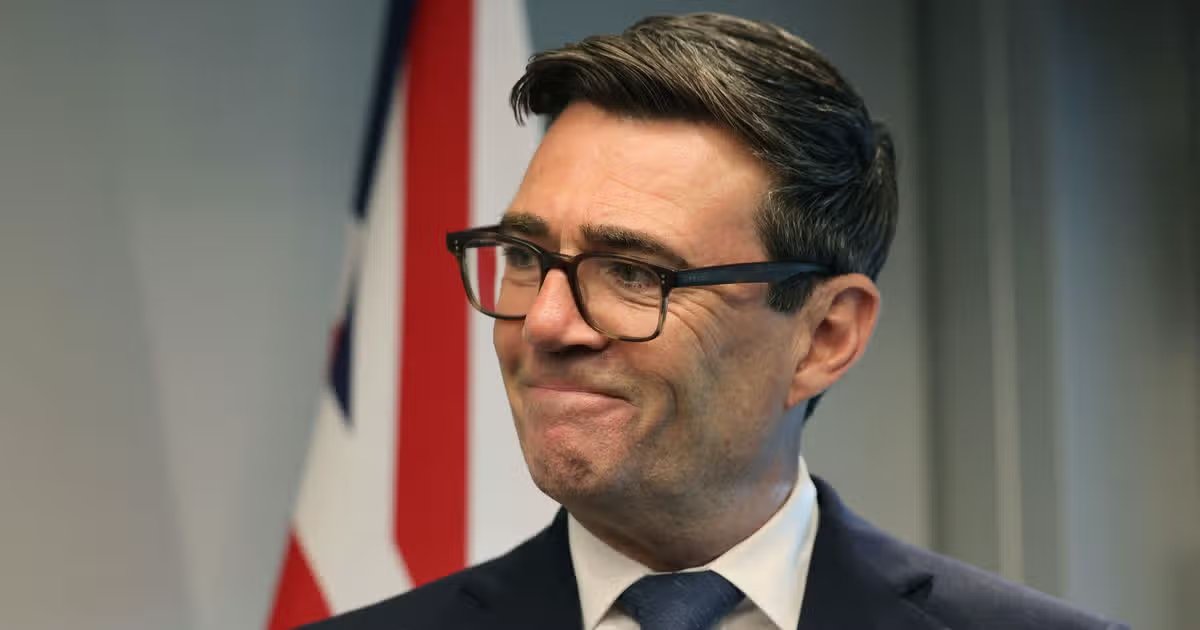
Shadow home secretary Chris Philp warned that a return to EU free movement would mean “handing back control of our borders and allowing uncontrolled migration from across Europe.”
Advertisement
He noted the British people voted to end free movement and there can be no return to it.
London Mayor Lord Sadiq Khan is among those pushing rejoining, while Dame Emily Thornberry has argued a manifesto pledge in 2029 could ditch Brexit without a second referendum.
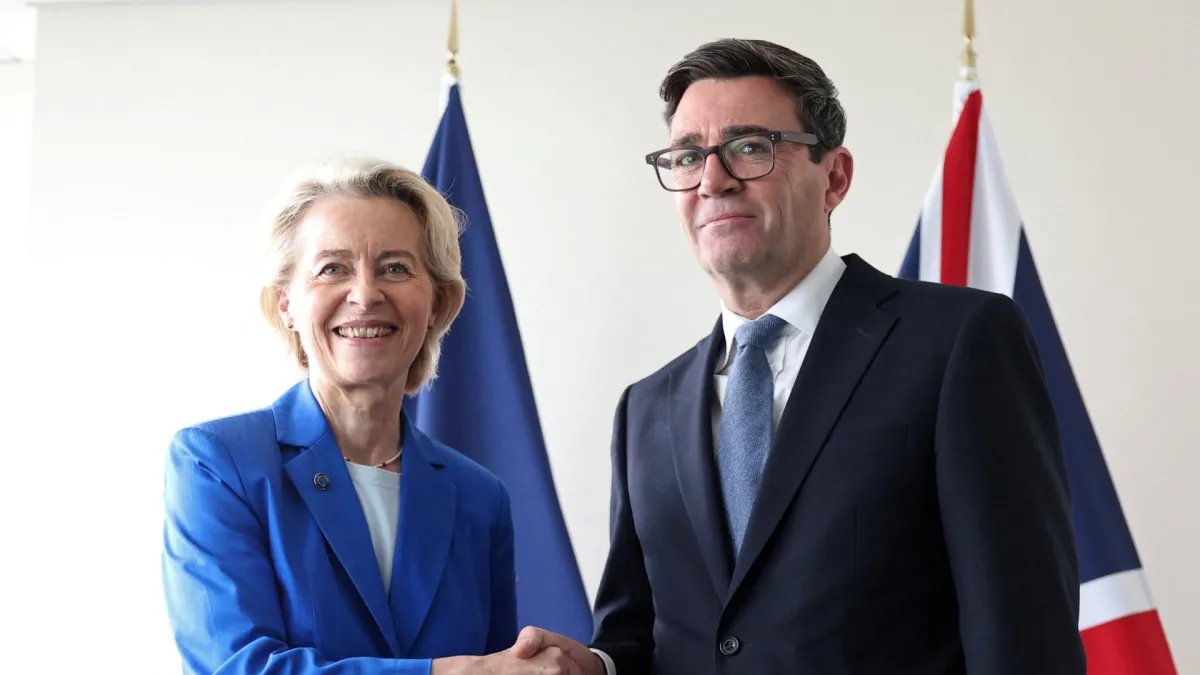
Burnham will meet European Union chiefs at a summit on November 20 in Brussels and push for closer trade and other ties.
Advertisement
He has said he will use the period around that meeting to set out different options for the future relationship to the British public.
Polls are being cited by Labour figures who claim more people now see Brexit as a mistake, yet the original vote remains the mandate.
Advertisement
The Prime Minister has previously stuck to the manifesto limits.
Any move toward free movement or membership would reverse the core promise that control of immigration sits in Britain, not Brussels.
Farage and Reform UK have drawn the line: the dishonesty will be fought.
Voters who backed Brexit, including in seats such as Makerfield, are entitled to hold that line without being told the boats are somehow Brexit’s fault rather than a failure of policy and enforcement at home.
Commentary: Andy Burnham leaves open UK rejoining EU from 2030 as he slams Brexit for
BREXIT DEBATE: ANDY BURNHAM BLAMES BREXIT FOR BRITAIN’S BORDER CHALLENGES AND RAISES THE POSSIBILITY OF REJOINING THE EU
Britain’s political debate over Brexit has entered a new and potentially decisive phase after Prime Minister Andy Burnham openly questioned whether leaving the European Union had delivered the benefits promised to the British public. In a series of interviews, Burnham argued that Brexit had weakened Britain’s economy and reduced its ability to manage immigration effectively, raising the possibility that the country could eventually seek to rejoin the European Union.
His comments have reignited one of the most divisive political arguments in modern British history. Almost ten years after the 2016 referendum, the question of Britain’s relationship with Europe is once again becoming a major political issue, with immigration, border security and economic growth at the centre of the debate.
Speaking on ITV’s Good Morning Britain on 26 October 2026, Burnham said that the current relationship with the European Union was not good enough for Britain. He argued that the country had experienced a harder Brexit than many voters had originally been led to expect.
More controversially, he suggested that leaving the EU had actually weakened Britain’s ability to control immigration, despite border control being one of the central arguments of the Leave campaign.
His remarks represent a significant change in the political conversation surrounding Brexit and could create serious difficulties for both Labour and the opposition parties.
Has Brexit weakened Britain’s border controls?
One of Burnham’s most striking arguments concerns the small boats crisis across the English Channel.
During his interview, the Prime Minister claimed that Britain’s departure from the European Union had reduced its ability to cooperate with European countries on returning people who had entered the UK irregularly.
Before Brexit, Britain participated in European arrangements that facilitated cooperation on asylum applications and the transfer of certain migrants between member states.
Following departure from the EU, the UK lost access to important elements of the Dublin asylum system and associated cooperation arrangements.
Burnham argues that this has contributed to difficulties in managing irregular migration because Britain can no longer rely on the same mechanisms for returning certain individuals to European countries.
However, the small boats crisis has multiple causes, including criminal smuggling networks, international migration routes, conditions in countries of origin and the effectiveness of domestic asylum procedures.
It would therefore be inaccurate to attribute the entire problem to Brexit alone.
Nevertheless, Burnham’s argument highlights an important distinction between controlling immigration and cooperating internationally to manage it.
He believes Britain needs stronger working arrangements with European governments if it wants to improve border management.
The possibility of rejoining the European Union
Perhaps the most politically significant part of Burnham’s intervention was his admission that he would like to see Britain return to the European Union during his lifetime.
Asked directly whether he wanted Britain to rejoin, he responded that he would like to see it happen but insisted that he would not move ahead of public opinion.
His position is significant because Labour has repeatedly attempted to avoid reopening the question of EU membership.
The party’s 2024 election manifesto ruled out rejoining the EU, the single market and the customs union during the parliamentary term.
Burnham has maintained that he will respect those commitments and has explicitly ruled out taking Britain back into the EU during the current Parliament.
However, his comments leave open the possibility that rejoining could become part of a future political programme.
He has also indicated that any fundamental change must involve public support rather than being imposed by politicians.
This distinction is important because returning to EU membership would require extensive negotiations, agreement from European institutions and a domestic democratic mandate.
Freedom of movement returns to the political agenda
The question of freedom of movement has also become central to the renewed Brexit debate.
During an interview with the Sunday Times, Burnham suggested that Britain should have an honest discussion about whether returning to some form of freedom of movement could bring economic advantages.
He acknowledged that the previous system had created significant challenges, particularly concerning migration levels and pressure on local communities.
However, he also argued that migration under the former EU arrangements could involve people coming to Britain temporarily to work before returning to their home countries.
Burnham contrasted this with more recent patterns of migration, where some people arrive on long-term visas and subsequently seek permanent settlement.
His argument is that Britain needs to examine the evidence carefully rather than assuming that every form of migration produces the same economic and social consequences.
On 26 October, however, he clarified that he would not restore freedom of movement without a referendum.
He also ruled out introducing major changes during the current parliamentary term.
These clarifications followed criticism from politicians who accused him of attempting to reverse Brexit without sufficient public consultation.
Farage prepares to fight back
Nigel Farage has strongly criticised the Prime Minister’s comments, describing the discussion about restoring freedom of movement as a betrayal of Brexit voters.
The Reform UK leader believes that the 2016 referendum established a clear democratic mandate to end the previous immigration arrangements.
For Farage, the ability to determine who can enter and settle in Britain remains one of the most important aspects of national sovereignty.
He argues that restoring freedom of movement would undermine the promises made to millions of voters who supported leaving the European Union.
Reform UK is expected to make the issue a central part of its political campaign, particularly in former industrial communities where Brexit received substantial support.
Burnham faces a particular political challenge because approximately 65 per cent of voters in his Makerfield constituency supported leaving the EU in 2016.
His insistence that the public must ultimately decide appears designed to address those concerns.
However, the controversy demonstrates how difficult it may be for Labour to pursue closer European relations without reopening old political divisions.
Economic consequences of leaving the EU
Burnham’s criticism is not limited to immigration.
He has also argued that Brexit has weakened Britain’s economic performance by creating additional barriers to trade and reducing cooperation with European partners.
British businesses have faced new customs procedures, regulatory requirements and administrative costs when trading with the European Union.
Smaller exporters have been particularly concerned about the complexity of selling goods across European borders.
The agricultural, food production and manufacturing industries have all raised concerns about the consequences of additional trade barriers.
Supporters of closer European integration argue that improving access to European markets could encourage investment, strengthen supply chains and create new employment opportunities.
However, rejoining the EU would also involve accepting substantial obligations, including rules governing the single market and the free movement of people.
The economic benefits would therefore need to be weighed against the political and regulatory consequences.
What happens next?
Burnham is preparing for an important UK-EU summit in Brussels scheduled for 20 November 2026.
The meeting is expected to focus on practical arrangements involving trade, agriculture, food production, energy and cooperation on immigration.
The Prime Minister hopes to establish a more constructive relationship with European leaders and identify areas where closer cooperation could deliver economic benefits.
European Commission President Ursula von der Leyen and other senior EU representatives will be important participants in discussions about the future relationship.
However, European leaders are unlikely to offer Britain every benefit of EU membership without the corresponding obligations.
Any attempt to negotiate deeper access to the single market or restore freedom of movement would require difficult discussions on both sides.
For now, Burnham insists that his immediate priority is improving the existing relationship rather than pursuing an immediate return to membership.
A political challenge for Labour
The renewed Brexit debate creates a difficult situation for Labour.
On one hand, the Government wants to improve economic cooperation with Europe and address the problems created by additional trade barriers.
On the other, it must respect the political commitments made during the election campaign and recognise that millions of voters remain strongly opposed to reversing Brexit.
Some Labour MPs representing Leave-supporting constituencies fear that reopening the debate could strengthen Reform UK’s appeal.
Others believe that refusing to discuss the economic consequences of Brexit would be equally damaging.
The Government must therefore find a way to explain its European policy clearly while avoiding the impression that it is attempting to overturn the referendum result without public consent.
Britain’s European future remains uncertain
Burnham’s latest comments demonstrate that Brexit is no longer simply a historical event. It remains an ongoing political and economic question that continues to shape Britain’s future.
His argument is that the country should judge Brexit according to its actual consequences rather than the promises made during the referendum campaign.
His critics believe that reopening the question risks creating further uncertainty and undermining the democratic decision made in 2016.
Both perspectives raise important issues that deserve serious examination.
Britain must decide how best to protect its borders, strengthen its economy and maintain effective relationships with neighbouring countries.
The Government’s immediate task is to secure practical improvements through negotiations with Brussels. Any more fundamental change, including restoring freedom of movement or seeking EU membership, would require a much broader democratic discussion.
Ultimately, the future of Brexit will depend on what the British public wants and what European leaders are prepared to negotiate.
Burnham has opened the door to a conversation that many politicians have avoided for years. Whether that conversation eventually leads to closer cooperation, a new referendum or a continued relationship outside the European Union remains uncertain.
One thing, however, is clear: Britain’s debate about Europe is far from over.