
Police in the Spotlight: Reform Claims Met Operates “Two-Tier Policing” After Polanski Row
The role of the police in a democratic society is built on the principle of impartiality. Citizens expect law enforcement agencies to apply the law fairly, regardless of political beliefs, social background, or personal identity. When accusations emerge that a police force is operating a system of “two-tier policing,” the issue becomes highly sensitive because it challenges public confidence in one of the most important institutions in the country. Recent criticism from Reform supporters following a controversy involving Zack Polanski has reignited debate about whether policing decisions are being influenced by political considerations or whether such claims misunderstand the complex responsibilities faced by modern police forces.
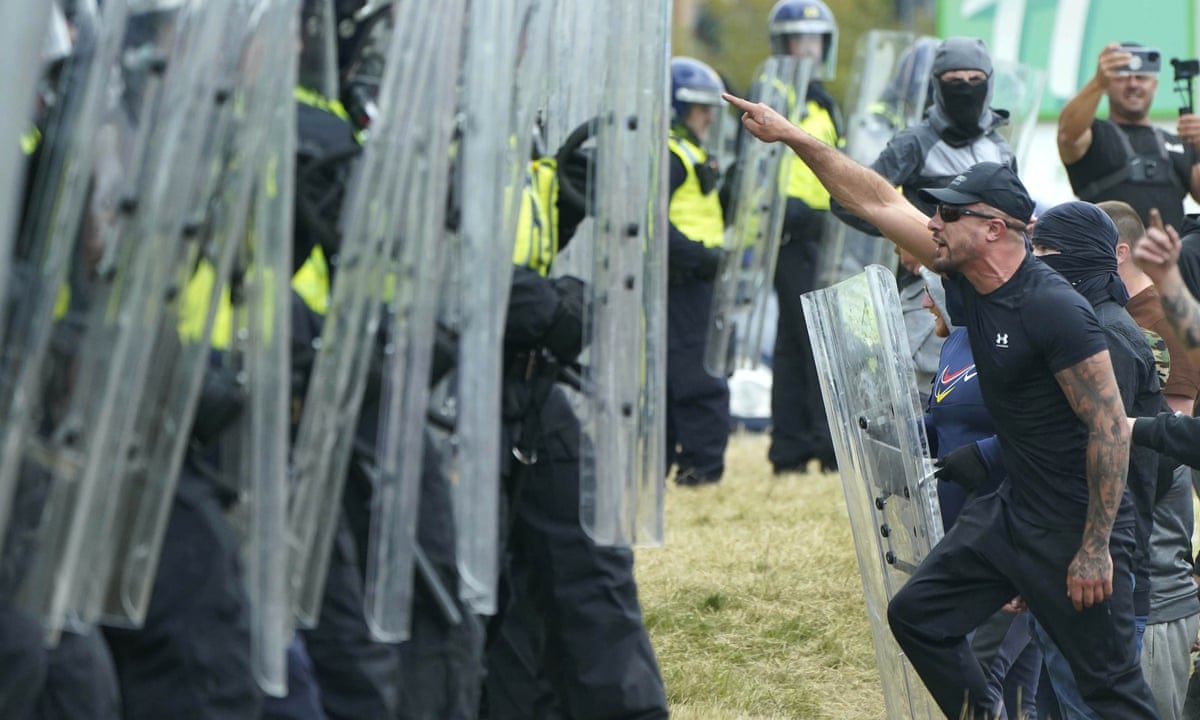
The phrase “two-tier policing” suggests that different groups are treated differently by law enforcement, with some individuals receiving greater tolerance while others face stronger enforcement. Critics who use this phrase argue that police forces may be applying standards inconsistently depending on the political views, social status, or public profile of those involved. Supporters of this criticism believe that equal treatment under the law is essential and that any perception of bias can seriously damage trust between communities and the police.
However, police forces and their supporters argue that decisions about enforcement are rarely simple. Officers must consider a wide range of factors, including evidence, public safety risks, available resources, legal requirements, and the seriousness of alleged offences. A difference in policing outcomes does not automatically prove unfair treatment. Two situations that appear similar from the outside may involve different circumstances, making direct comparisons difficult.
The controversy surrounding Zack Polanski has become a focal point for these wider concerns. Reform supporters have argued that the Metropolitan Police’s handling of issues connected to Polanski demonstrates inconsistency in how political figures and public activists are treated. They claim that certain groups or individuals receive more sympathetic treatment because of their political associations or public image. These accusations have contributed to a broader debate about neutrality, freedom of expression, and the relationship between politics and policing.
The Metropolitan Police, commonly known as the Met, has faced scrutiny on several occasions in recent years over questions of trust, accountability, and operational decisions. As the largest police force in the United Kingdom, the Met operates in a uniquely challenging environment. London is one of the most diverse cities in the world and hosts major political demonstrations, international events, and public gatherings. Managing these situations requires balancing competing rights and responsibilities.
One of the most difficult tasks for modern police forces is protecting freedom of expression while preventing harm. Democracies allow people to express controversial opinions, criticize governments, and organize protests. At the same time, police have a duty to intervene when behaviour crosses legal boundaries, such as threats, violence, or serious harassment. Determining where the line should be drawn is often controversial, particularly when political disagreements are involved.
Supporters of Reform’s criticism argue that public confidence depends not only on police being fair but also on appearing fair. Even when officers act within the law, a perception of inconsistency can weaken trust. They argue that police leaders must communicate clearly about why certain decisions are made and demonstrate that political viewpoints do not influence enforcement.
This concern is not unique to Britain. Police forces around the world frequently face accusations of political bias from different sides of the political spectrum. Conservative groups have sometimes accused police of being too influenced by progressive social movements, while left-wing groups have historically raised concerns about excessive policing of protests and minority communities. These disagreements reflect a wider challenge: maintaining public trust in institutions that must make difficult decisions in politically divided societies.
The accusation of two-tier policing also raises questions about how police priorities are determined. Modern forces must decide how to allocate limited resources across many competing issues, including violent crime, online abuse, public disorder, terrorism, and community safety. These choices can sometimes create perceptions that certain problems are being ignored while others receive excessive attention.
Police leaders argue that operational decisions are based on risk assessments rather than political preference. For example, a demonstration involving thousands of people may require significant police presence because of the potential for disorder, while a smaller event may require fewer officers. The difference in response does not necessarily indicate unequal treatment; it may reflect different levels of risk.
Another important issue is the influence of social media. Online platforms have accelerated political debates and increased scrutiny of police decisions. A single incident can quickly become a national controversy, with competing interpretations spreading rapidly. Supporters and critics may present selective information to support their arguments, making it harder for the public to understand the full context.
The challenge for the police is therefore not only making correct decisions but also explaining those decisions effectively. Transparency has become increasingly important in maintaining public confidence. When people understand the reasoning behind police actions, they are more likely to accept difficult decisions, even when they disagree with them.
However, police accountability must also include genuine examination of possible failures. If evidence shows that officers have treated individuals differently without proper justification, reforms may be necessary. Independent oversight bodies, complaints procedures, and internal reviews exist to investigate concerns and ensure that police forces maintain professional standards.
For Reform UK and its supporters, the issue represents a broader argument about institutions and public trust. The party has frequently criticized what it describes as failures of established systems, including government, media, and public bodies. Claims about policing fit into a wider political message that ordinary citizens feel some institutions no longer represent their interests.
Critics of these claims, however, warn that accusations of widespread bias can undermine confidence in essential public services without sufficient evidence. They argue that political parties have a responsibility to avoid damaging trust in institutions for short-term political advantage. According to this view, criticism of police decisions is legitimate, but broad claims of systemic unfairness require strong evidence.
The debate also highlights the importance of police independence. In democratic societies, police forces must be able to make operational decisions without direct political interference. Governments and political parties may criticize or review police actions, but officers must ultimately follow evidence, law, and professional standards rather than political pressure.
Looking forward, maintaining trust will require continued efforts from both police forces and political leaders. Police must remain transparent, consistent, and accountable. Political groups must ensure that criticism is based on evidence rather than assumptions. Public confidence depends on a shared commitment to fairness and the rule of law.
In conclusion, the accusation that the Metropolitan Police operates “two-tier policing” following the Polanski controversy reflects wider concerns about fairness, neutrality, and trust in law enforcement. Supporters of Reform argue that inconsistent treatment threatens confidence in policing, while the Met and its defenders emphasize the complexity of operational decisions and the need to balance competing rights. The debate demonstrates how difficult policing has become in a politically divided society. Ultimately, the legitimacy of law enforcement depends on the public belief that the law is applied fairly, transparently, and without political favour.