
Burnham Vows Cost of Living Help Is “On Its Way” as He Looks at Tackling Utility Bills and Rail Fares
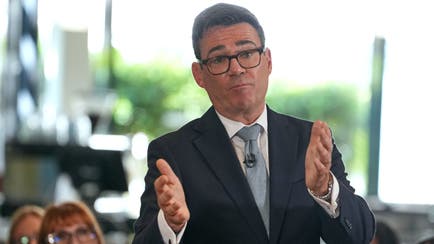
The cost-of-living crisis has become one of the defining political and economic challenges facing the United Kingdom in recent years. Although inflation has eased from its highest levels, many households continue to struggle with rising prices for energy, food, housing, and transportation. Millions of families face increasing pressure on their budgets, while businesses also experience higher operating costs. Against this backdrop, Prime Minister Andy Burnham has pledged that additional support for households is “on its way,” with particular attention being given to reducing the burden of utility bills and rail fares. His commitment reflects the government’s recognition that improving living standards is essential not only for economic recovery but also for maintaining public confidence in government. However, delivering meaningful relief while maintaining responsible public finances presents a significant political and economic challenge.

One of the most urgent concerns for British households is the rising cost of utility bills. Electricity, gas, and water have become substantially more expensive in recent years due to a combination of global energy market disruptions, inflation, and investment requirements within domestic infrastructure. Although wholesale energy prices have fallen compared with the peaks experienced during the international energy crisis, many households continue to pay considerably more than they did only a few years ago.
Burnham has indicated that the government is exploring measures to reduce the financial burden associated with essential household services. These may include expanding targeted financial assistance for lower-income families, reviewing the structure of energy pricing, strengthening consumer protections, and encouraging greater competition within utility markets. Such reforms aim not only to reduce immediate costs but also to improve the long-term affordability and reliability of essential public services.
Supporters argue that affordable utilities are fundamental to economic security. Energy is not a luxury but a basic necessity required for heating, cooking, lighting, communication, and everyday living. High utility costs disproportionately affect elderly people, low-income households, and families with children because these groups spend a larger proportion of their income on essential services. By reducing utility bills, governments can directly improve disposable income while helping to reduce poverty and financial insecurity.
However, lowering utility costs is not straightforward. Energy companies must continue investing in infrastructure, renewable energy generation, and network modernization to meet future demand and climate objectives. Excessive government intervention in pricing could discourage investment or create unintended market distortions. Policymakers must therefore balance consumer affordability with maintaining financially sustainable energy providers capable of supporting long-term economic development.
Transport costs represent another major challenge addressed by Burnham’s proposals. Rail travel plays an essential role in connecting communities, supporting employment, reducing road congestion, and promoting environmentally sustainable mobility. Nevertheless, Britain has some of the highest rail fares in Europe, making train travel increasingly unaffordable for many commuters and families.
Burnham has long argued that affordable public transport should be viewed as a public service rather than simply a commercial business. During his tenure as Mayor of Greater Manchester, he introduced significant reforms to local bus services and consistently advocated for greater public control over regional transport networks. As Prime Minister, he has suggested that similar principles could guide national transport policy.
Reducing rail fares could generate several important benefits. Lower ticket prices may encourage more people to use trains instead of private cars, reducing traffic congestion and greenhouse gas emissions. Improved affordability would also expand employment opportunities by enabling workers to travel greater distances without excessive financial cost. Businesses could benefit from larger labor markets, while regional economies might experience stronger growth through increased mobility and tourism.
Nevertheless, rail fare reform involves considerable financial complexity. Britain’s railway system requires substantial public investment for maintenance, modernization, safety improvements, and infrastructure expansion. Lower passenger fares could reduce revenue available to railway operators unless governments provide additional financial support. This raises difficult questions regarding taxation, public spending priorities, and long-term fiscal sustainability.
Burnham’s broader approach reflects his long-standing emphasis on improving everyday living standards through practical policy solutions rather than abstract ideological debates. Throughout his political career, he has argued that governments should prioritize issues directly affecting ordinary citizens, including housing affordability, public transport, healthcare, employment, and regional investment. His promise that cost-of-living assistance is “on its way” seeks to reassure households that government recognizes the financial pressures they continue to experience.
Economic conditions make such intervention particularly significant. Although inflation has slowed, many wages have struggled to keep pace with cumulative price increases over recent years. Mortgage holders continue to face higher interest rates than before the pandemic, while renters experience rising housing costs in many parts of the country. Food prices remain elevated despite improvements in overall inflation, meaning household budgets remain under considerable strain.
Supporters of Burnham’s proposals believe targeted government action can help restore consumer confidence. When households have greater disposable income, they are more likely to spend money on goods and services, supporting economic growth and employment. Lower living costs may also reduce financial stress, improve mental wellbeing, and strengthen social stability during periods of economic uncertainty.
Critics, however, argue that governments must avoid creating unrealistic expectations. Large-scale subsidies or permanent price controls could prove expensive and place additional pressure on already constrained public finances. Britain’s national debt remains historically high, while demands on healthcare, education, defense, and social care continue to increase. Funding new assistance programs therefore requires either additional taxation, increased borrowing, or reductions in spending elsewhere.
Another challenge concerns ensuring that support reaches those most in need. Universal subsidies benefit all households regardless of income, including wealthier families that may not require financial assistance. More targeted measures can improve efficiency by concentrating resources on vulnerable groups, but they often involve greater administrative complexity and eligibility requirements. Designing fair and effective support systems therefore remains a central policy challenge.
Burnham has also emphasized the importance of long-term structural reform rather than relying solely on temporary financial assistance. Improving home energy efficiency through better insulation, expanding renewable energy generation, investing in modern transport infrastructure, and encouraging greater market competition could all contribute to permanently lower living costs over time. Such investments require significant upfront expenditure but may generate lasting economic and environmental benefits.
Regional inequality also plays an important role in this discussion. Burnham has consistently argued that northern England requires greater investment to reduce economic disparities with London and the South East. Lower transport costs, improved infrastructure, and more affordable utilities could help attract businesses, create employment opportunities, and strengthen regional economies. According to this perspective, cost-of-living policies should support broader goals of balanced national development rather than focusing solely on short-term financial relief.
Ultimately, Burnham’s pledge reflects the reality that economic policy is judged not only by statistical indicators but also by people’s daily experiences. Inflation rates, economic growth figures, and employment statistics provide important information, yet citizens primarily evaluate governments according to whether they can comfortably afford housing, transport, food, energy, and other essential necessities. Policies that visibly improve household finances therefore carry both economic and political significance.
In conclusion, Andy Burnham’s promise that cost-of-living assistance is “on its way” represents an important commitment to addressing one of the United Kingdom’s most pressing domestic challenges. By focusing on utility bills and rail fares, the government aims to reduce financial pressure on households while supporting broader economic recovery. Although significant obstacles remain—including budget constraints, infrastructure investment needs, and policy implementation—carefully designed reforms could improve affordability, strengthen public confidence, and promote more inclusive economic growth. Success will ultimately depend on balancing immediate financial relief with long-term investments that create a more resilient, efficient, and equitable economy for all citizens.