

Plymouth Reform Supports Farage Amid By-election “Circus” Controversy
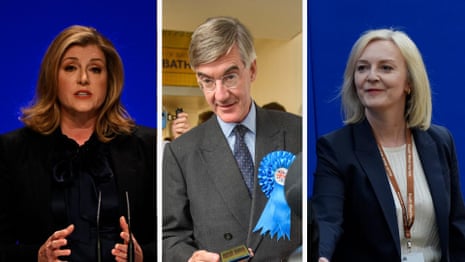
The political debate surrounding Nigel Farage and the latest by-election controversy has created another moment of tension in British politics. Supporters of Reform UK in Plymouth and other parts of the country have defended Farage, arguing that he represents voters who feel ignored by the traditional political system. Meanwhile, critics have described the election as a political “circus”, claiming that it has become more about personal attention than serious democratic competition.
The disagreement reflects a much deeper divide in Britain’s political landscape. It is not only about one by-election or one politician. Instead, it highlights growing frustration among voters, declining trust in established parties, and the increasing influence of alternative political movements.
Nigel Farage has been one of the most controversial figures in modern British politics. For his supporters, he is a politician who has consistently raised issues that many ordinary people care about, including immigration, national identity, economic difficulties, and concerns about government accountability. They believe he has challenged a political establishment that often fails to listen to people outside major cities and traditional centres of power.
Supporters of Reform UK argue that the reaction from other political parties proves their point. They believe that established parties are uncomfortable with Farage because he has attracted voters who previously supported different political groups. In their view, the refusal of some major parties to fully engage in the by-election campaign shows a lack of confidence in their ability to win public support.
For Reform supporters in Plymouth, the issue is connected to a wider demand for political change. Many believe that British politics has become disconnected from the everyday concerns of ordinary citizens. They argue that people are facing rising living costs, pressure on public services, and uncertainty about the country’s future, while politicians in Westminster appear focused on internal arguments rather than practical solutions.
The support for Farage is therefore not only about his personality. It represents a broader movement among voters who want a different approach to politics. These voters often feel that traditional parties have failed to address important concerns and are searching for alternatives that promise significant change.
However, Farage and Reform UK also face strong criticism. Opponents argue that political movements based on public frustration must still provide realistic answers to complex problems. They question whether strong criticism of existing governments is enough without detailed policies and clear plans for the future.
The description of the by-election as a “circus” has become a major point of disagreement. Critics use this term because they believe the contest has created unnecessary political drama. They argue that the election has focused too much on Farage himself rather than on important national issues. In their view, politics should be about policies, leadership, and solutions rather than media attention and personal campaigns.
Supporters of Farage reject this argument. They say the criticism is an attempt to weaken a political movement that has gained increasing public support. They believe that voters should have the opportunity to express their opinions, even if those opinions challenge the views of traditional political leaders.
The controversy also raises questions about the role of democracy. In a democratic system, elections provide citizens with the opportunity to choose representatives and express dissatisfaction with existing leadership. Supporters of Reform UK argue that preventing or avoiding political competition limits voters’ choices.
On the other hand, critics argue that politicians must be responsible and transparent. They believe public figures should face questions about their decisions, finances, and political strategies. According to this view, accountability is an essential part of maintaining public trust.
The disagreement surrounding Farage demonstrates how divided British politics has become. Traditional political parties have struggled to maintain the loyalty of many voters, while newer movements have gained support by presenting themselves as alternatives to the existing system.
Reform UK has benefited from this dissatisfaction. The party has attracted people who feel disappointed with both the Conservative Party and Labour. Many supporters believe that neither major party has fully represented their concerns, particularly on issues such as immigration control, national independence, and government effectiveness.
However, the rise of Reform UK has also created concerns among its opponents. Some critics argue that the party’s success is based mainly on dissatisfaction rather than a complete political programme. They warn that solving national problems requires cooperation, experience, and detailed planning.
The situation in Plymouth reflects these national debates. Local support for Farage shows that his message continues to connect with some voters who believe Britain needs major political change. They see Reform UK as a voice for people who have felt ignored for many years.
At the same time, those who oppose Farage argue that political change should not be driven only by anger or frustration. They believe voters should carefully examine policies and leadership qualities before deciding which political direction is best for the country.
The controversy also shows the changing nature of political communication. Modern politicians increasingly rely on direct contact with voters through social media and public campaigns. Farage has been particularly successful at creating a strong connection with supporters by presenting himself as an outsider challenging the traditional system.
This style of politics has both supporters and critics. Some people believe it gives ordinary citizens a stronger voice and makes politicians more accountable. Others argue that it can increase division and encourage emotional debates rather than careful discussion of policies.
The future impact of the by-election controversy remains uncertain. It may strengthen Farage’s position among supporters who see him as a symbol of political change. However, it may also encourage further debate about the responsibilities of politicians and the standards expected from public figures.
Regardless of the outcome, the dispute has revealed important changes within British society. Many voters are questioning old political loyalties and looking for new choices. The growth of Reform UK demonstrates that a significant number of people want a different direction from the one offered by traditional parties.
The debate over whether the by-election is a democratic opportunity or a political “circus” depends largely on personal views. Supporters see it as a chance for voters to challenge the establishment and demand change. Critics see it as an example of politics becoming too focused on individual figures and controversy.
In the end, the situation surrounding Nigel Farage and Reform UK represents a larger struggle over the future of British politics. It reflects questions about trust, representation, accountability, and the relationship between citizens and their leaders.
As Britain continues to experience political change, movements like Reform UK will remain an important part of the national conversation. Whether they can transform public dissatisfaction into long-term political success will depend on their ability to offer not only criticism but also practical solutions for the challenges facing the country.