

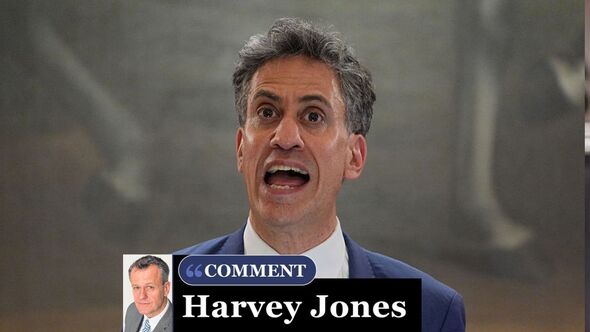
Ed Miliband, £264 Billion and the Battle Over Britain’s Energy Future: Why Andy Burnham Faces Pressure to Respond
A fierce political debate is growing in Britain over the future of the country’s energy strategy, public spending, and the role of government in managing the transition to a cleaner economy. At the centre of the argument are Energy Secretary Ed Miliband’s ambitions for transforming the UK’s energy system and calls from critics, including some supporters of Andy Burnham, for greater scrutiny over the scale and cost of these plans.
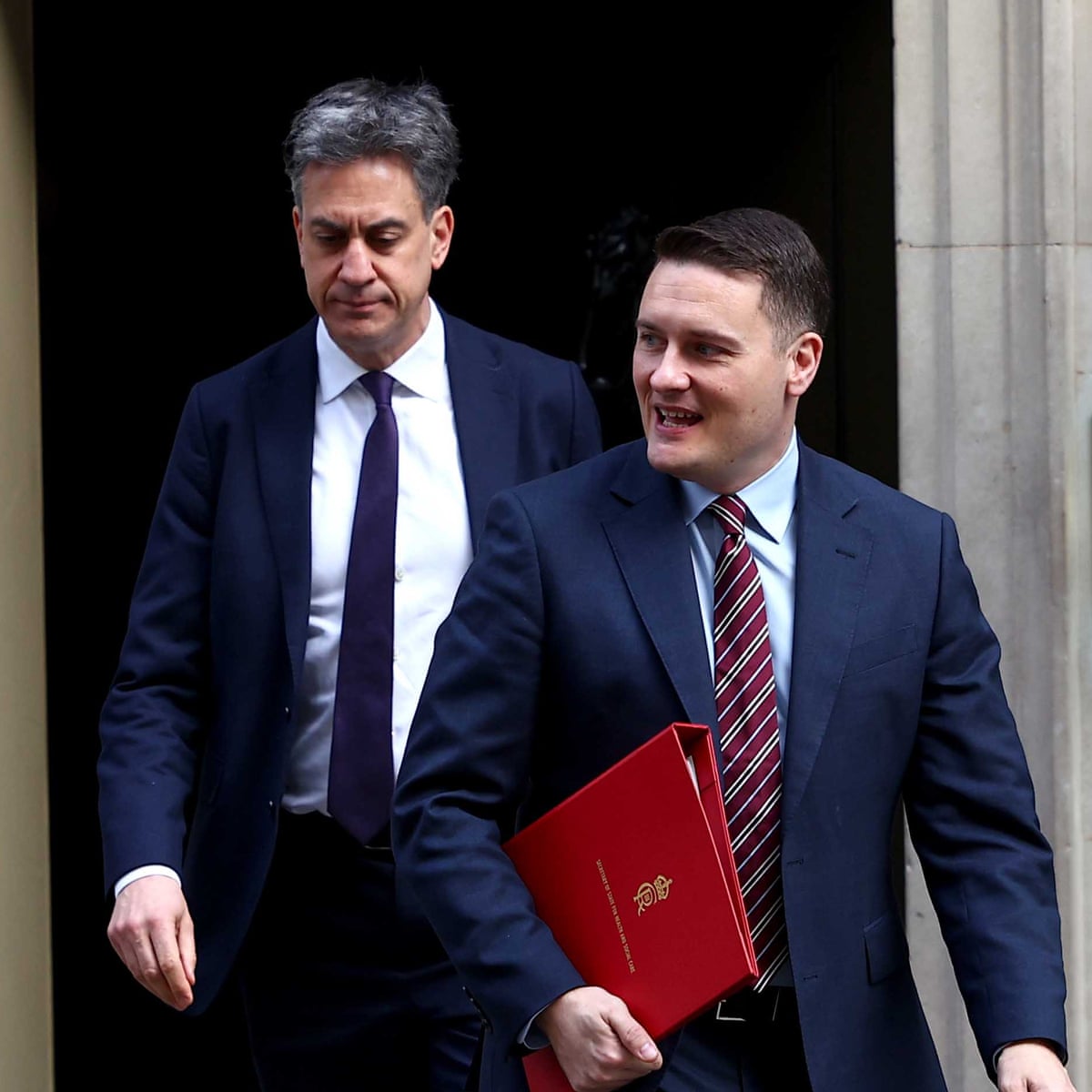
The figure of £264 billion has become a powerful symbol in the political debate, used by critics to question whether the cost of reaching Britain’s climate targets could place too much pressure on taxpayers. Supporters of the transition, however, argue that investment in clean energy is not simply a cost but a long-term strategy designed to reduce dependence on expensive fossil fuels, create jobs, and improve energy security.
The disagreement reflects one of the biggest challenges facing modern governments: how to balance environmental commitments with economic concerns. While there is broad political recognition that energy systems must change, there is significant disagreement over the speed of change, how it should be funded, and who should carry the financial burden.
Ed Miliband has made climate policy a central part of his political agenda. Supporters argue that moving towards renewable energy, expanding clean power capacity, and reducing reliance on imported fuels are necessary steps for Britain’s future. They believe investment today could help lower energy costs over time and protect the country from international fuel price shocks.
However, critics argue that large-scale energy transformation projects require enormous public and private investment. They question whether consumers and taxpayers will ultimately face higher costs and whether ambitious targets can be achieved without creating additional financial pressure during a period when many households are already struggling with the cost of living.
This is where Andy Burnham’s position becomes significant. As Mayor of Greater Manchester, Burnham has built a reputation as a politician focused on regional inequality, public services, and economic fairness. His supporters argue that he has a responsibility to ensure that national policies do not place unfair burdens on communities already facing financial challenges.
Burnham has frequently argued that decisions made in Westminster must consider the impact on people outside London. His political approach has focused on giving regions greater influence over investment decisions and ensuring that economic change benefits local communities.
The energy debate fits into this wider argument about who controls Britain’s future. Supporters of greater regional power believe local leaders understand the needs of their communities better than central government departments. They argue that cities and regions should have a stronger voice in major national projects.
However, critics of Burnham’s position may argue that national challenges require national solutions. Energy infrastructure, climate targets, and electricity markets operate across the entire country, meaning decisions cannot always be made based only on local priorities.
The controversy also highlights a broader political divide over public spending. Governments often face competing demands: improving healthcare, supporting social care, investing in infrastructure, strengthening defence, and addressing climate change. Every major investment decision involves choices about where resources should be allocated.
For voters, the key question is not only how much money is spent but whether they can see clear benefits. People want reliable energy, affordable bills, secure employment, and confidence that public money is being used responsibly.
Supporters of green investment argue that failing to modernise the energy system could create greater costs in the future. They point to the risks of continuing dependence on fossil fuels, including price instability and vulnerability to international crises.
Opponents respond that environmental policies must be realistic and affordable. They argue that governments should provide clearer explanations of costs and ensure that ordinary households are not left carrying the heaviest financial burden.
The debate surrounding Miliband’s plans also reflects a challenge facing many politicians: climate policy must win public support. While many people support cleaner energy in principle, concerns often increase when policies affect household budgets, transportation choices, or energy bills.
For Andy Burnham, the political calculation is complicated. Challenging national policy could strengthen his reputation as a defender of local communities, but opposing major climate initiatives could also create criticism from those who believe urgent action is needed to address environmental risks.
Burnham has traditionally attempted to position himself as a politician who combines economic development with social responsibility. His supporters believe he can offer a practical alternative approach that focuses on protecting workers and communities during major economic changes.
The coming years will likely see continued debate over the cost and direction of Britain’s energy transformation. Questions about investment, affordability, and fairness will remain at the heart of political arguments.
Ultimately, the disagreement is not simply about one politician or one financial figure. It represents a deeper question about how Britain should prepare for the future. Should the country make large investments now to transform its energy system, or should it move more cautiously to protect taxpayers from immediate financial pressure?
Both sides of the debate claim to be acting in the public interest. Supporters of rapid change argue that delay will create greater costs later, while critics argue that ambition must be matched with financial responsibility.
As the discussion continues, politicians including Ed Miliband and Andy Burnham will face increasing pressure to explain not only what they want to achieve but how they intend to achieve it. For voters, the final judgment will depend on whether policies deliver real improvements in everyday life.
The central challenge remains clear: Britain must find a way to secure affordable energy, protect the environment, and maintain public confidence in how billions of pounds are spent. The decisions made today will shape the country’s economic and environmental future for decades to come.