
-
Andy Burnham’s Decision to Scrap the Digital ID Scheme
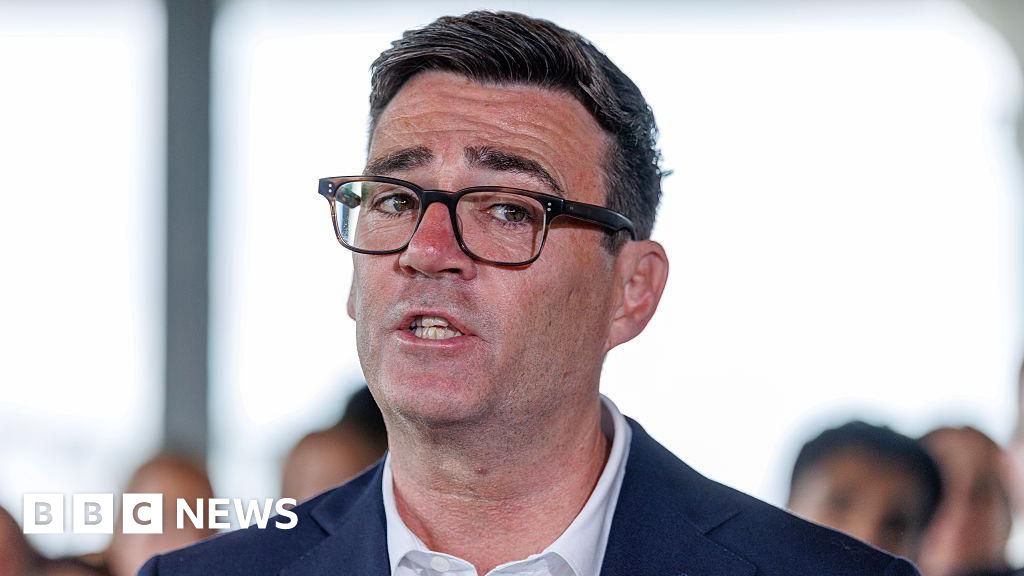
Andy Burnham has announced that his government will cancel the controversial digital ID scheme and redirect the money to other public priorities. This decision has generated widespread debate across the United Kingdom. While some people believe that abandoning the project is the right choice because it protects privacy and saves public money, others argue that a digital ID system could have modernized public services. In my opinion, Burnham’s decision is reasonable if the government invests the saved funds in areas that bring greater benefits to ordinary citizens.
The proposed digital ID scheme had been criticized for several reasons. Many people were concerned that it would allow the government to collect too much personal information, increasing the risk of surveillance and data breaches. In today’s digital world, cyberattacks have become more common, and even large organizations have experienced security failures. Therefore, many citizens feared that sensitive information could be stolen or misused if the system were hacked.
Another major concern was the cost of the project. Developing a nationwide digital identification system requires billions of pounds in technology, cybersecurity, maintenance, and staff training. Critics argued that this money could be spent more effectively on pressing issues such as healthcare, education, affordable housing, or reducing the cost of living. At a time when many families are struggling financially, investing in expensive technology For example, additional investment in the National Health Service could reduce waiting times and improve patient care. More funding for schools could provide better educational resources and support for teachers. The government could also invest in affordable housing, public transportation, and renewable energy projects that create may not be the government’s highest priority.
By cancelling the digital ID scheme, Burnham has promised to redirect public funds toward services that have a more immediate impact on people’s lives. For example, additional investment in the National Health Service could reduce waiting times and improve patient care. More funding for schools could provide better educational resources and support for teachers. The government could also invest in affordable housing, public transportation, and renewable energy projects that create jobs while protecting the environment.
However, not everyone agrees with this decision. Supporters of digital IDs argue that they could make accessing government services faster, more secure, and more convenient. Citizens would be able to verify their identities online without carrying multiple documents. Digital identification systems have already been introduced successfully in several countries, demonstrating that they can improve efficiency when designed with strong privacy protections.
Even so, implementing such a system requires a high level of public trust. If citizens believe that their personal data is not adequately protected, they are unlikely to support the project. Public confidence is essential for any national digital initiative. Without it, even well-designed technology may fail to achieve its intended goals.
In my view, Burnham’s decision reflects the importance of setting priorities during difficult economic times. Governments have limited financial resources and must carefully decide where public money should be spent. Improving healthcare, education, and living standards may have a greater positive impact on society than introducing a costly digital identification system that many people do not currently support.
Nevertheless, cancelling the project does not mean that digital transformation should stop completely. The government can continue to improve online public services while ensuring that citizens’ privacy and security remain protected. In the future, if technology becomes more secure and public confidence increases, a revised digital ID system could be considered again.
In conclusion, Andy Burnham’s decision to scrap the digital ID scheme has sparked both praise and criticism. Although digital identification offers potential benefits, the project also raises important concerns about privacy, security, and public spending. Redirecting the funds toward essential public services may provide more immediate benefits for citizens, especially during a period of economic uncertainty. Ultimately, the success of this decision will depend on how effectively the government uses the money to improve the lives of the British people.
Scrapping the Digital ID Scheme Is the Wrong Decision
Andy Burnham has announced that his government will cancel the controversial digital ID scheme and use the money for other public services. Although this decision has been welcomed by some people who are concerned about privacy and government spending, I believe that cancelling the project is a mistake. A well-designed digital ID system could improve public services, strengthen security, and help the United Kingdom become a more modern and efficient society.
First of all, digital IDs can make everyday life much easier for citizens. Instead of carrying several different documents, people could use one secure digital identity to access healthcare, banking, government services, and public benefits. This would save time, reduce paperwork, and make many administrative processes faster. As more services move online, having a reliable digital identity becomes increasingly important.
Another advantage of digital IDs is that they can help reduce fraud and identity theft. Criminals often use fake documents to commit financial crimes or illegally access public services. A secure digital identification system with advanced encryption and biometric verification could make it much more difficult for criminals to steal identities or forge official documents. As a result, both citizens and the government would benefit from greater security.
Many critics argue that digital IDs threaten personal privacy. However, this problem can be addressed through strong laws and modern cybersecurity measures. Governments can establish strict regulations to ensure that personal information is only used for legitimate purposes and cannot be accessed without authorization. Independent oversight and regular security audits can also increase public confidence in the system. Therefore, privacy concerns should encourage better protection rather than the complete cancellation of the project.
Supporters of Burnham’s decision often claim that the money should instead be spent on healthcare, education, or housing. These sectors certainly deserve more investment, but modern technology can also improve them. For example, digital IDs could simplify access to medical records, reduce fraud in welfare programs, and make government services more efficient. In the long run, these improvements could even save public money by reducing administrative costs and improving the delivery of public services.
Furthermore, many countries have already introduced successful digital identity systems. These countries have demonstrated that digital technology can improve convenience while maintaining high standards of privacy and security. Rather than abandoning the project completely, the British government could study these successful examples and develop a system that meets the needs of its own citizens.
Another important consideration is the future of the digital economy. As technology continues to develop, secure online identification will become increasingly necessary for business, education, healthcare, and international travel. If the United Kingdom delays digital modernization, it may fall behind other developed countries in innovation and competitiveness. Investing in digital infrastructure today could bring significant economic benefits in the future.
Of course, introducing a national digital ID system should not happen without careful planning. The government must communicate openly with the public, protect personal data, and guarantee that participation is safe and transparent. Building public trust is essential, but cancelling the project entirely may prevent the country from enjoying the long-term advantages of digital transformation.
In conclusion, although Andy Burnham’s decision to scrap the digital ID scheme may reduce short-term government spending, it could also slow the modernization of public services. A secure and carefully regulated digital ID system has the potential to improve convenience, strengthen security, reduce fraud, and support economic development. Instead of cancelling the project, the government should focus on improving its design and ensuring that citizens’ privacy is fully protected. This balanced approach would better prepare the United Kingdom for the digital future.
Leave a Reply
You must be logged in to post a comment.