

-
Should Britain Care Where Its Prime Ministers Come From? A Debate Beyond North and South
The fact that the United Kingdom has had 58 Prime Ministers but relatively few from the North has attracted increasing attention in recent years. For some people, this represents evidence that Britain’s political system has historically been too concentrated around London and the South of England. For others, however, the focus on where a Prime Minister comes from risks distracting from a more important question: whether a leader has the ability, judgement, and vision to govern the entire country.
A Prime Minister’s primary responsibility is not to represent one region but to serve the interests of the whole United Kingdom. Whether someone comes from Manchester, Cornwall, Edinburgh, or London, they must make decisions affecting millions of people across different communities. From this perspective, birthplace alone should not determine whether someone is suitable for national leadership.

Supporters of this argument believe Britain should judge politicians by their policies, competence, and character rather than their geographical background. A leader from the North is not automatically more understanding of Northern communities, just as a leader from London is not automatically disconnected from the rest of the country.
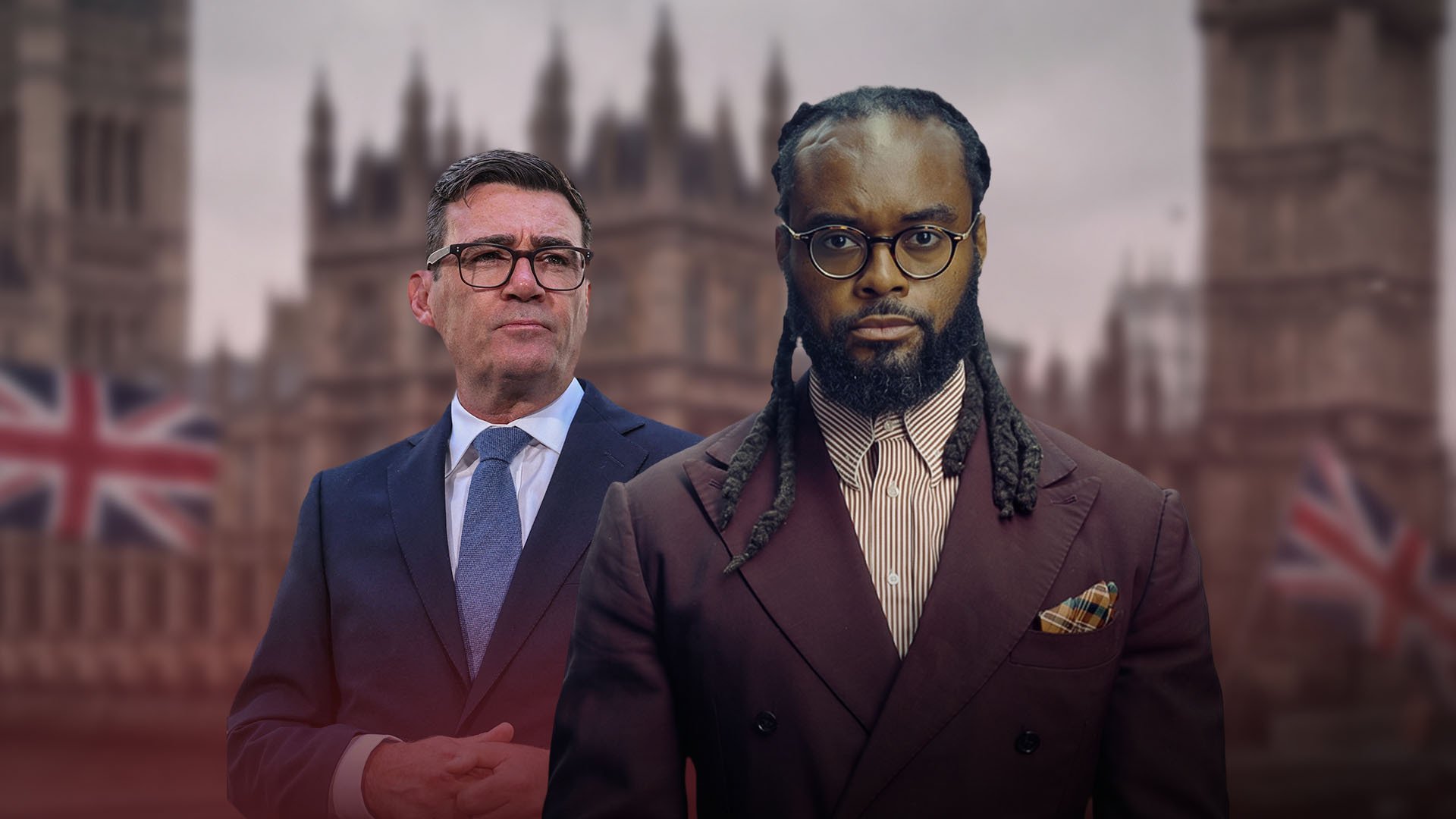
However, the debate about Northern representation exists because geography can influence political experience. Where someone grows up can shape their understanding of economic opportunities, public services, transport, housing, and community challenges. A politician who has lived outside the traditional centres of power may bring different experiences and priorities to national government.
The issue is therefore not simply about birthplace. It is about whether Britain’s political system allows people from all backgrounds and regions to reach the highest positions of influence.
For much of British history, political power has been closely connected to institutions based in London. Parliament, government departments, major media organisations, and many influential networks are concentrated in the capital. This has created a situation where politicians who build careers in London may have advantages in accessing power and recognition.
Critics of this system argue that it can unintentionally limit the range of perspectives represented in government. They believe that a country as geographically diverse as the UK should have political leaders who reflect that diversity.
On the other hand, opponents of regional quotas or identity-based expectations argue that political leadership should remain open to the most capable individuals, regardless of background. They warn that choosing leaders based primarily on geography could create a different form of unfairness.
The strongest argument for focusing on ability rather than origin is that a Prime Minister must make decisions beyond regional interests. The challenges facing Britain include international security, economic policy, climate change, technological development, and global diplomacy. These responsibilities require broad knowledge and national vision.
A successful Prime Minister must understand the concerns of every part of the country, not only the place where they were born. A leader from the North must represent London, the South, Scotland, Wales, and Northern Ireland as well. Likewise, a leader from the South must understand the needs of Northern communities.
In this sense, the ideal Prime Minister is not someone who represents one region but someone who can connect different regions together.
However, the lack of Northern Prime Ministers does highlight wider issues about regional inequality. The concern is not necessarily that Northern people cannot become national leaders, but that economic and political opportunities have historically been unevenly distributed.
Many Northern communities have experienced major economic changes over recent decades. The decline of traditional industries affected employment, investment, and local identity. Although many Northern cities have successfully regenerated, some areas continue to face challenges involving wages, infrastructure, and access to opportunity.
These issues deserve attention regardless of who becomes Prime Minister. A leader does not need to come from a particular region to recognise inequality, but they do need to understand and address it.
The rise of powerful mayors, including figures such as Andy Burnham in Greater Manchester, has introduced a new dimension to British politics. Regional leaders have shown that political influence does not have to come only from Westminster.
Supporters of stronger regional government argue that empowering cities can help address the historic imbalance between London and other parts of the country. They believe local leaders often understand community needs better because they are closer to the people affected by decisions.
Critics, however, argue that strong national leadership remains essential. They believe Britain needs coordination across regions and that too much emphasis on local identity could create competition rather than cooperation.
This debate reflects a larger question about what representation really means. Does representation require leaders to share the same background as the people they govern? Or does good leadership require the ability to understand experiences different from one’s own?
There are examples throughout history of leaders successfully representing communities very different from their personal backgrounds. Empathy, listening, and effective decision-making can allow politicians to serve people beyond their own experiences.
At the same time, greater diversity among political leaders can bring valuable perspectives that might otherwise be overlooked. A healthy democracy benefits when people from different regions, professions, and social backgrounds have opportunities to participate.
Therefore, the goal should perhaps not be to demand a Prime Minister from a particular location, but to create a political system where talented people from every part of Britain have an equal chance of reaching the top.
The debate over Northern Prime Ministers ultimately reveals two important truths. First, geography has historically influenced access to political power, and regional balance remains a legitimate concern. Second, the quality of leadership matters more than a person’s place of birth.
Britain does not necessarily need a Prime Minister from the North simply because the North has waited a long time. It needs leaders who understand the whole country, recognise regional differences, and have the ability to bring people together.
A future Northern Prime Minister could be an important symbolic moment, showing that Britain’s highest offices are open to every community. But the success of that leader would not depend on their accent, hometown, or background. It would depend on whether they can build a fairer, stronger, and more united United Kingdom.
Ultimately, the most important question is not where a Prime Minister comes from. The most important question is whether they understand the people they serve and whether they have the courage and ability to lead the country forward.
-
The UK Has Had 58 Prime Ministers, but Few Have Come From the North: Why Regional Representation Matters
For centuries, Britain has been shaped by powerful political institutions, global influence, and a strong national identity. Yet behind this image of unity lies a long-standing imbalance: political power has often been concentrated in London and the South of England. Although the United Kingdom has of Northern Prime Ministers is not simply a matter of geography. It reflects deeper historical patterns about where political influence, wealth, and opportunity have traditionally been concentrated. Westminster has been the centre of national decision communities. The challenges faced by cities such as Manchester, Liverpool, Leeds, Sheffield, and Newcastle can be very different from those faced by London. Issues such as had 58 Prime Ministers throughout its history, surprisingly few have come from the North. This geographical imbalance has raised important questions about representation, regional inequality, and whether Britain’s political system truly reflects the experiences of all its citizens.
The absence of Northern Prime Ministers is not simply a matter of geography. It reflects deeper historical patterns about where political influence, wealth, and opportunity have traditionally been concentrated. Westminster has been the centre of national decision-making for centuries, and many politicians who rise to the highest levels of government have developed their careers within London-based institutions.
For many people in Northern England, this has contributed to a feeling that national politics does not always understand their communities. The challenges faced by cities such as Manchester, Liverpool, Leeds, Sheffield, and Newcastle can be very different from those faced by London. Issues such as industrial decline, transport investment, housing, wages, and regional economic inequality have often been central concerns in the North.
Supporters of greater Northern representation argue that having leaders from different parts of the country is important because personal experience influences political priorities. A Prime Minister who grew up or built a career outside London may have a different understanding of the challenges facing communities that have historically felt overlooked.
This does not mean that only Northern leaders can represent Northern interests, or that politicians from other regions cannot understand these issues. However, supporters argue that diversity of background strengthens democracy by ensuring that different experiences and perspectives are present at the highest levels of government.
The history of Britain’s political leadership shows how unusual Northern representation has been. Many Prime Ministers have come from southern counties, elite educational backgrounds, or traditional political networks centred around London and Oxford or Cambridge universities. While these backgrounds do not automatically determine a person’s ability to govern, critics argue that they can contribute to a political culture that feels distant from many ordinary citizens.
The issue became especially significant during debates about the “levelling up” agenda, which aimed to reduce economic differences between London and other regions. Supporters argued that decades of underinvestment had created a country where opportunities were too heavily concentrated in the capital.
The rise of figures such as Andy Burnham has therefore attracted attention because it represents a different model of political leadership. As Mayor of Greater Manchester, Burnham has become one of the most prominent Northern politicians in modern Britain. His supporters argue that his career demonstrates the importance of giving regional leaders greater influence.
Burnham’s political message has often focused on the idea that Britain should not be governed solely from Westminster. He has argued that cities and regions should have more power over decisions involving transport, housing, economic development, and public services.
For supporters, a future Prime Minister from the North would represent more than personal achievement. It would symbolise a broader shift in how Britain views itself—a country where political leadership reflects all regions rather than being dominated by one geographical area.
The North has played a crucial role in Britain’s history. It was central to the Industrial Revolution, producing the factories, innovations, and industries that helped make Britain one of the world’s leading economies. Northern cities contributed enormously to national prosperity, yet many communities later experienced industrial decline as traditional industries disappeared.
The economic challenges faced by many Northern areas remain a major political issue. Lower productivity, weaker transport links, fewer high-paid jobs, and reduced investment have contributed to regional inequalities. Many residents believe these problems require leaders who understand the long-term effects of economic change.
Supporters of Northern political representation argue that leadership from the region could bring greater attention to these challenges. A Prime Minister with personal connections to the North might place regional investment, infrastructure, and economic renewal higher on the national agenda.
However, geography alone cannot guarantee better government. Critics argue that the most important qualities of a Prime Minister are competence, judgement, leadership ability, and policy effectiveness rather than birthplace. A leader from the North could still make decisions that fail to benefit Northern communities, while a leader from the South could introduce policies that help the entire country.
This argument highlights an important point: representation matters, but it must be combined with effective leadership. Having more diverse backgrounds in politics does not automatically solve problems, but it can broaden the range of experiences considered when decisions are made.
Another reason the lack of Northern Prime Ministers matters is symbolic. National identity is shaped not only by policies but Northern voters, seeing someone from their region become Prime Minister would challenge the perception that the highest political positions are reserved for people from traditional centres of power. It could encourage more also by who represents the country. When people see leaders who share similar backgrounds, communities, or experiences, they may feel a stronger connection to national institutions.
For many Northern voters, seeing someone from their region become Prime Minister would challenge the perception that the highest political positions are reserved for people from traditional centres of power. It could encourage more young people from different backgrounds to believe that political leadership is genuinely open to them.
The issue also connects to the wider debate about decentralisation. Many countries around the world give major allow communities to make decisions based on local needs rather than relying on policies designed primarily in London. In this view, the lack of Northern Prime Ministers is part of a larger problem: too about replacing one type of politician with another. It is about creating a political system where all parts of the country feel they have a meaningful voice cities and regions significant political power. Supporters argue that Britain remains unusually centralised compared with other developed nations.
Greater regional power could allow communities to make decisions based on local needs rather than relying on policies designed primarily in London. In this view, the lack of Northern Prime Ministers is part of a larger problem: too much political authority remains concentrated in one area.
The possibility of a future Northern Prime Minister therefore represents a broader conversation about the future of the United Kingdom. It is not simply about replacing one type of politician with another. It is about creating a political system where all parts of the country feel they have a meaningful voice.
Critics may argue that focusing too much on regional identity risks creating unnecessary divisions between different parts of Britain. They believe leaders should represent the entire country rather than specific areas.
However, supporters respond that recognising regional differences does not weaken national unity. Instead, they argue that a stronger understanding of different communities can create a more balanced and inclusive United Kingdom.
Ultimately, the fact that Britain has had 58 Prime Ministers but very few from the North reveals something important about the country’s political history. It shows how closely power has been connected to geography, institutions, and tradition.
A Prime Minister from the North would not automatically solve Britain’s challenges, but it would represent a significant moment in the evolution of British politics. It would demonstrate that leadership at the highest level can emerge from every part of the country, not only from traditional centres of influence.
For many supporters, the question is not simply whether Britain should have a Northern Prime Minister. The deeper question is whether every community in the United Kingdom can genuinely see itself reflected in the people who make national decisions. A more geographically diverse political leadership could be an important step toward creating a system that feels more representative, more connected, and more democratic.
-
Leave a Reply
You must be logged in to post a comment.