

Disaster for Burnham as New Poll Suggests He’s Barely More Popular Than Starmer
A newly released opinion poll has sparked fresh debate across British politics, suggesting that Andy Burnham is only marginally more popular with voters than Prime Minister Keir Starmer. The findings have surprised many political observers, as Burnham has long been viewed as one of Labour’s most admired figures and a potential future leader of the party.
For years, Burnham has cultivated a reputation as a politician who stands up for local communities, particularly in northern England. As the Mayor of Greater Manchester, he has frequently challenged central government over issues such as public transport, regional investment, housing, and funding for local authorities. His willingness to confront Westminster has earned him praise from supporters who see him as an outspoken advocate for devolution and regional equality.
Because of this reputation, many expected Burnham to enjoy a substantial lead over Starmer in public approval ratings. Instead, the latest poll indicates that the gap between the two politicians is surprisingly narrow. If the findings accurately reflect public opinion, they may raise questions about Burnham’s ability to translate his local popularity into nationwide political support.
Meanwhile, Prime Minister Keir Starmer continues to face significant political challenges. Since taking office, his government has been under pressure to stimulate economic growth, tackle the rising cost of living, reduce NHS waiting lists, and address concerns over immigration and public services. These issues have inevitably affected his personal approval ratings, with critics arguing that voters are becoming increasingly impatient for visible improvements.

Despite these difficulties, the poll suggests that Burnham has not emerged as a dramatically more popular alternative. For Labour, this presents an interesting political picture. While Burnham remains one of the party’s most recognizable figures outside Westminster, he has yet to establish a commanding advantage over the current Prime Minister in terms of national popularity.
Political analysts offer several possible explanations. First, Burnham’s political success has largely been built on local governance rather than national politics. His achievements in Greater Manchester may not resonate equally with voters in Scotland, Wales, London, or southern England. National leadership often requires addressing a much broader range of issues, including foreign policy, defence, taxation, and economic strategy.
Second, public confidence in politicians generally has declined in recent years. Economic uncertainty, political instability, and ongoing debates over public spending have left many voters skeptical of political leaders regardless of party affiliation. In such an environment, even respected politicians may struggle to achieve exceptionally high approval ratings.
The results may also influence speculation about Labour’s long-term future. Burnham has frequently been mentioned as a potential leadership contender should the party eventually seek a new direction. However, if future polls continue to show only a slight advantage over Starmer, supporters may question whether he truly possesses the nationwide appeal needed to lead Labour into another general election.
At the same time, one poll should never be viewed as the final verdict on public opinion. Polling results can vary depending on the methodology used, sample size, timing, and the wording of survey questions. Political fortunes can change rapidly, particularly in response to major economic developments, policy announcements, or unexpected national events.
For Starmer, the findings may offer limited reassurance. Although his approval ratings remain under pressure, the absence of a significantly more popular rival within Labour suggests that he continues to hold an important position as the party’s central figure. Nevertheless, improving public confidence will ultimately depend less on opinion polls and more on the government’s ability to deliver tangible results for the British people.
For Burnham, the poll may serve as a reminder that success in local government does not automatically translate into nationwide political influence. If he wishes to become a serious contender for Labour’s leadership in the future, he may need to present a more comprehensive vision on national and international issues while maintaining the grassroots appeal that has defined his political career.
Ultimately, the latest survey has reignited discussion about the balance of power within Labour and the future of its leading figures. Whether this poll represents the beginning of a broader trend or merely a temporary snapshot remains uncertain. What is clear, however, is that both Andy Burnham and Keir Starmer will continue to face intense public scrutiny as British politics evolves in the months and years ahead.
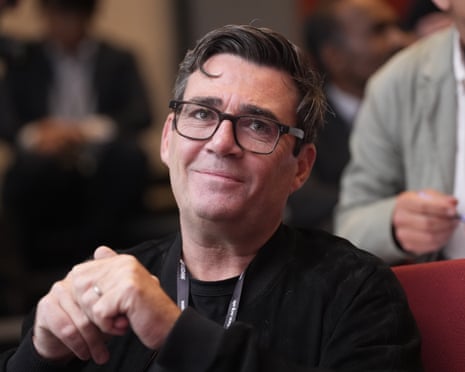
Why the New Poll May Not Be a Disaster for Andy Burnham
The latest opinion poll suggesting that Andy Burnham is only slightly more popular than Prime Minister Keir Starmer has generated considerable media attention. However, describing the results as a “disaster” for Burnham may be an exaggeration. In reality, the poll could simply reflect the changing nature of British politics rather than a decline in Burnham’s personal appeal.
One important point to consider is that Burnham and Starmer occupy very different political roles. Burnham serves as the Mayor of Greater Manchester, focusing primarily on local issues such as transport, policing, housing, and regional investment. His responsibilities are very different from those of a Prime Minister, who must make decisions on taxation, foreign policy, defence, immigration, and the national economy. Comparing the popularity of two politicians with such different responsibilities is not always straightforward.
Furthermore, Burnham has never actively campaigned to become Labour leader in recent years. Much of the speculation about his political future comes from commentators rather than from Burnham himself. As a result, he has had little incentive to build a national profile in the same way Starmer has been required to do as Prime Minister.
The poll may also demonstrate how difficult it is for any politician to maintain exceptionally high approval ratings in today’s political climate. British voters have become increasingly skeptical of politicians across the political spectrum following years of economic uncertainty, rising living costs, pressure on public services, and political instability. Under these circumstances, even well-respected political figures often struggle to achieve overwhelming public support.
Another factor is that Burnham’s influence remains strongest in Greater Manchester, where many residents have witnessed his work firsthand. National polls include voters who may know relatively little about his policies or achievements. This lack of familiarity does not necessarily indicate disapproval; it may simply reflect limited national exposure.
Meanwhile, Keir Starmer’s relatively similar popularity could be interpreted in a different way. Despite facing constant criticism as Prime Minister and dealing with difficult national challenges, he has managed to remain broadly competitive with one of Labour’s most respected regional politicians. This may suggest that Starmer’s leadership has retained more public support than some critics expected.
Political polls should also be treated with caution. A single survey provides only a snapshot of public opinion at one particular moment. Different polling companies often produce different results depending on their methodology, sample size, and the questions they ask. Long-term trends are generally more meaningful than individual polls when assessing a politician’s standing.
Ultimately, Burnham’s political future is unlikely to be determined by one opinion poll. His reputation has been built over many years through his work in local government, and he continues to be regarded as one of Labour’s most influential figures outside Westminster. If he ever decides to seek national leadership, voters will judge him not only by popularity ratings but also by his experience, policy proposals, and vision for the country’s future.
Rather than signaling political failure, the latest poll may simply remind observers that popularity is only one measure of political success. Leadership, competence, and the ability to deliver meaningful change often prove far more important than short-term fluctuations in public opinion.