

Count Binface Given Major Boost in Upcoming Clash with Nigel Farage
The announcement that Count Binface has received a major boost ahead of his upcoming electoral contest with Nigel Farage has added another unusual chapter to British politics. While few expect the satirical candidate to win, the growing attention surrounding his campaign highlights a broader story about voter frustration, political theatre, and the changing nature of election campaigns.
Count Binface has built his reputation on humor, absurd policy proposals, and sharp criticism of the political establishment. Although he presents himself as a novelty candidate, his campaigns often attract voters who want to express dissatisfaction with mainstream politics. His slogan, “Make Your Vote Count,” combines comedy with a message encouraging democratic participation.
The latest boost appears to come not because Binface has suddenly become a conventional political contender, but because Nigel Farage’s by-election has become increasingly controversial. Several major political parties have chosen not to field candidates, arguing that the contest is unnecessary or politically motivated. As a result, Binface has gained far more media attention than he would in a typical election, with some commentators describing him as Farage’s most recognizable challenger.
However, increased publicity should not be confused with increased electoral strength. Satirical candidates often perform well in terms of media coverage and public recognition but struggle to convert that attention into votes. Many people enjoy Binface’s campaign style while still choosing to vote for candidates they believe have a realistic chance of representing their constituency.

At the same time, Binface’s campaign reflects a deeper message about modern politics. His popularity demonstrates that many voters appreciate politicians—or political performers—who can challenge the status quo through wit and satire. In an era of declining trust in political institutions, humor has become an effective way of engaging citizens who might otherwise ignore politics altogether.
For Nigel Farage, the contest is unlikely to pose a serious electoral threat, but it does carry symbolic risks. A campaign dominated by jokes, memes, and satire can distract from policy discussions and draw attention away from the issues Farage hopes to emphasize. Even if he wins comfortably, extensive media coverage of Binface may shape the public narrative surrounding the election more than the result itself.
Ultimately, Count Binface’s “major boost” should be viewed less as evidence of an impending electoral upset and more as a reflection of Britain’s unique political culture. The campaign demonstrates that elections are not only contests for power but also opportunities for public expression, criticism, and satire. Whether Binface wins a handful of votes or far more than expected, his presence ensures that the by-election will be remembered for more than just its final result.
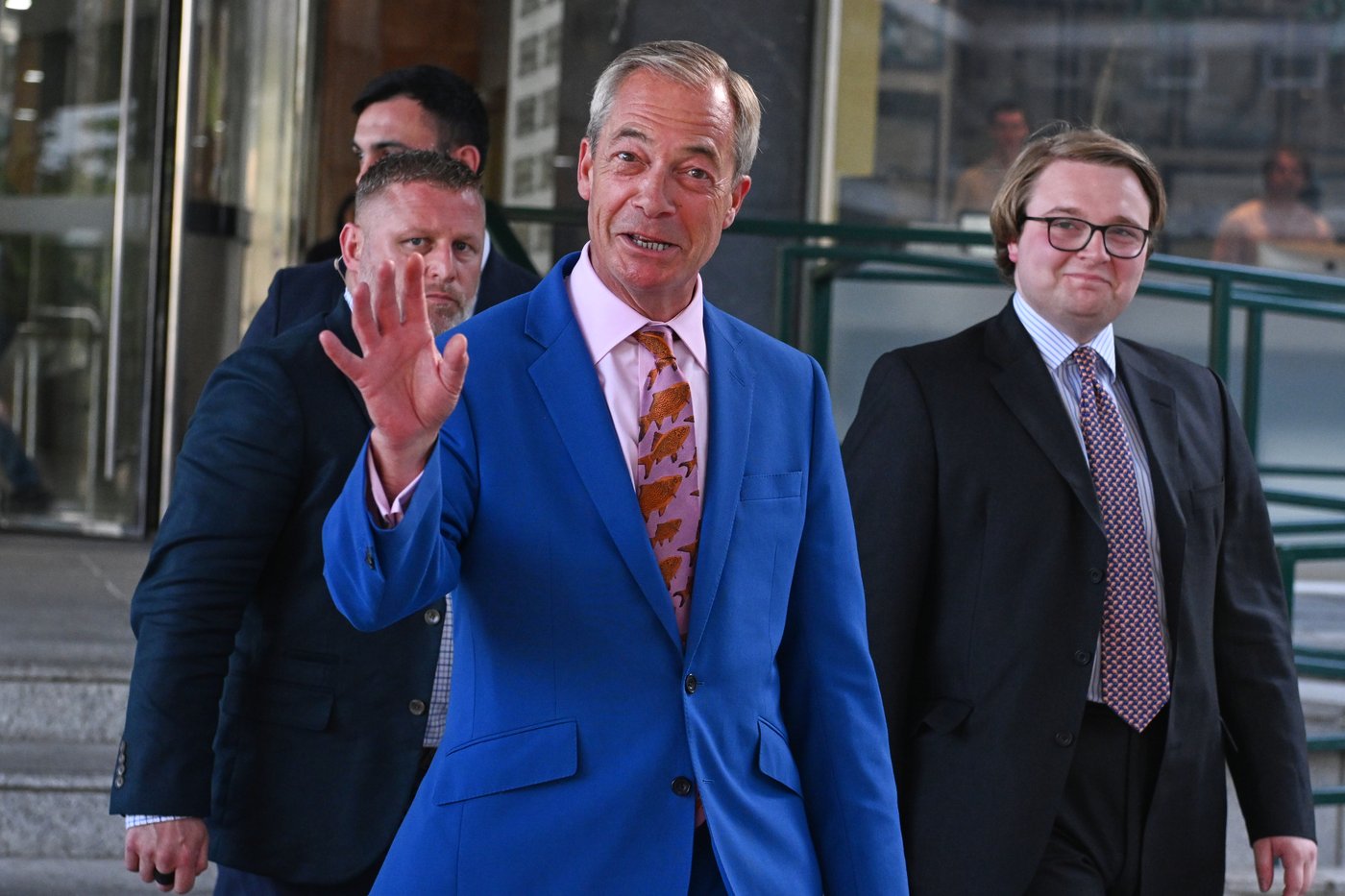
Count Binface’s Growing Momentum Could Create an Unexpected Challenge for Nigel Farage
The growing attention surrounding Count Binface’s campaign may not be enough to threaten Nigel Farage’s chances of winning, but it could still create a significant political headache. While few observers expect the satirical candidate to secure victory, his increasing popularity reflects a broader shift in how British voters engage with politics.
Count Binface has become far more than a novelty act. Over several election campaigns, he has developed a recognizable public profile by combining humor with criticism of mainstream politicians. Unlike many protest candidates, his campaign often uses satire to highlight serious concerns about transparency, political promises, and public accountability. As a result, some voters see him not merely as a joke but as a creative way to express dissatisfaction with the political establishment.
This could be particularly relevant in a contest involving Nigel Farage. Farage has built his political career by presenting himself as an outsider challenging the political elite. However, Binface’s campaign turns that narrative on its head. Through comedy and parody, he questions whether today’s anti-establishment politicians have themselves become part of the political establishment.
Even if Binface attracts only a small share of the vote, his influence could extend far beyond election day. Modern political campaigns are fought not only through ballots but also through social media, television debates, and online discussion. A humorous campaign can dominate headlines, generate millions of online views, and shape public conversations in ways that traditional political messaging often cannot.
Another factor working in Binface’s favour is voter fatigue. After years of political division and repeated election campaigns, many people have grown tired of confrontational rhetoric. Binface offers something different: a campaign that entertains while encouraging people to think critically about politics. That combination may appeal especially to younger voters and those who feel disconnected from conventional parties.
For Farage, the greatest challenge may therefore be symbolic rather than electoral. A campaign overshadowed by satire risks making it harder to keep the public focused on policy proposals. If media coverage increasingly highlights Binface’s jokes and campaign stunts, Farage could find himself responding to viral moments instead of promoting his political agenda.
At the same time, expectations should remain realistic. Britain’s first-past-the-post electoral system makes it extremely difficult for independent satirical candidates to achieve major breakthroughs. Media attention rarely translates directly into votes, and most supporters of Count Binface understand that his campaign is intended primarily as political satire rather than a serious bid for office.
Nevertheless, politics is not only about winning seats. It is also about shaping narratives, influencing public debate, and capturing the public imagination. In that respect, Count Binface has already demonstrated an ability to punch well above his electoral weight. Whether he finishes with hundreds or thousands of votes, his campaign may leave a lasting impression by reminding politicians that public trust cannot be taken for granted and that humour can sometimes be a powerful form of political criticism.
Ultimately, Count Binface’s greatest victory may not come at the ballot box but in changing the tone of the campaign itself. If he succeeds in forcing difficult conversations, attracting new voters, and challenging political assumptions through satire, his impact could extend well beyond the election result.