


Keir Starmer vs Nigel Farage: The Battle for Britain’s Political Future
The headline “Keir Starmer explodes at Nigel Farage in Labour conference speech: ‘You are the enemy!’” reflects the growing intensity of political competition in Britain. Behind the dramatic language lies a much deeper struggle between two very different visions of the country’s future: one focused on rebuilding trust through traditional government, and the other built around challenging the political establishment.
Keir Starmer and Nigel Farage represent two opposing forces in modern British politics. Starmer has attempted to present Labour as a party of stability, public service reform, and responsible government. Farage, meanwhile, has built his reputation as a political outsider who argues that many people have lost faith in the existing system.
The clash between the two figures demonstrates how divided British politics has become. For many Labour supporters, Farage and Reform UK represent a challenge to the values and policies they believe are necessary for the country’s future. They argue that politics should focus on practical solutions, national unity, and improving public services.
However, Farage’s supporters see the situation differently. They believe that traditional parties have failed to listen to ordinary voters and that a major change in direction is needed. They argue that Reform UK has grown because many people feel frustrated with decisions made by politicians who do not understand their concerns.
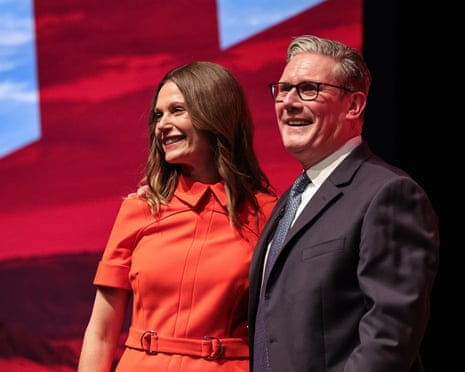
The strong language used during political speeches is often designed to create a clear contrast between competing movements. Leaders frequently use powerful statements because elections are not only about policies but also about identity, trust, and emotional connection with voters.
For Starmer, confronting Farage is part of a wider attempt to define Labour’s position in a changing political environment. The rise of Reform UK has created pressure on mainstream parties, forcing them to respond to voters who are increasingly willing to support alternatives.
At the same time, attacking an opponent carries political risks. While criticism can energise supporters, excessive focus on a rival can also give that rival more attention and influence. Political leaders must decide whether to challenge opponents directly or focus on presenting their own vision.
Farage’s influence comes from his ability to represent dissatisfaction with the political system. He has repeatedly positioned himself as a challenger to established parties, arguing that many national problems have been ignored for too long. This message has attracted voters who believe traditional politicians have failed to deliver meaningful change.
However, transforming opposition into government remains a difficult task. Reform UK must show that it can provide detailed solutions rather than simply criticise existing leaders. A party seeking national power must demonstrate competence across many areas, including the economy, healthcare, education, and security.
For Labour, the challenge is equally significant. Winning an election is different from maintaining public support while governing. Starmer must prove that his party can deliver improvements and address concerns that have encouraged some voters to look elsewhere.
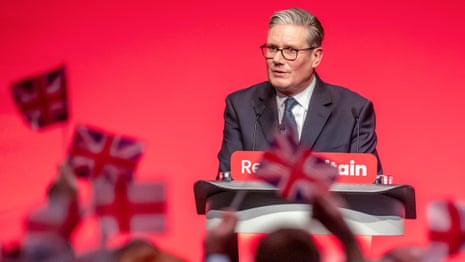
The debate also reflects a broader change in political culture. Voters are increasingly less loyal to traditional parties and more likely to judge politicians based on specific issues. This creates opportunities for new movements but also makes political competition more unpredictable.
The media environment has increased the impact of political conflicts. A dramatic moment from a conference speech can quickly dominate public discussion, creating strong reactions among supporters and opponents. However, lasting political success depends on more than memorable speeches; it depends on results and public confidence.
Ultimately, the confrontation between Starmer and Farage represents a struggle over who can best understand and represent Britain’s future. One side argues for stability and reform through established institutions, while the other argues for deeper change and a break from traditional politics.
In conclusion, the clash between Keir Starmer and Nigel Farage is not simply a personal disagreement between two politicians. It represents a wider debate about trust, change, and the direction Britain should take. As political competition becomes more intense, both leaders face the challenge of convincing voters that their vision offers the best path forward.
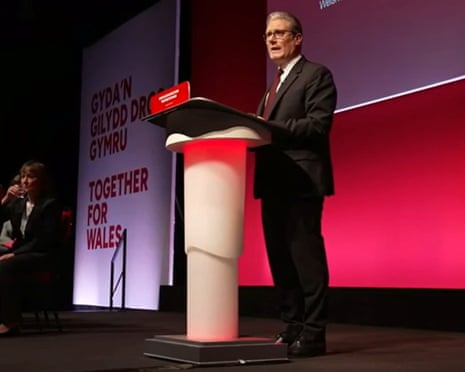
Starmer and Farage: A Political Clash That Reveals Britain’s Changing Mood
The headline “Keir Starmer explodes at Nigel Farage in Labour conference speech: ‘You are the enemy!’” captures the intensity of modern political battles in Britain. However, the significance of this confrontation goes beyond the exchange between two politicians. It reflects a much deeper struggle over public trust, national priorities, and the future direction of British politics.
For many years, British politics was dominated by competition between the Conservative Party and Labour. However, the rise of figures such as Nigel Farage has changed the political landscape. Many voters are no longer automatically loyal to traditional parties and are increasingly willing to support alternatives that promise a different approach.
Farage’s political success has been built on the argument that many people feel ignored by the established system. His supporters believe that traditional politicians have failed to address important concerns, including immigration, economic pressure, and dissatisfaction with public services. They see Reform UK as a movement that challenges politicians who have lost touch with ordinary citizens.
Keir Starmer, meanwhile, has attempted to present Labour as a responsible government-in-waiting. His message has focused on stability, rebuilding public confidence, and offering practical solutions rather than political disruption. Labour supporters argue that the country needs effective management and long-term planning rather than constant conflict.
The clash between the two leaders represents two very different approaches to politics. Farage’s style is based on challenging the existing system and demanding major change. Starmer’s approach is based on reforming institutions and restoring confidence through government action.
Supporters of Starmer argue that strong political language against Farage is necessary because they believe Reform UK offers unrealistic solutions to complicated problems. They claim that governing requires more than identifying public frustration; it requires detailed plans and the ability to make difficult decisions.
However, Farage’s supporters argue that criticism from traditional politicians demonstrates exactly why alternative movements have grown. They believe that many voters are tired of being told that their concerns are wrong or unimportant. For them, Farage represents a demand for politicians to listen more carefully to public opinion.
The battle between Labour and Reform UK also highlights the importance of working-class voters. Many traditional Labour supporters have become less certain about their political choices, with some attracted to Reform’s messages on issues such as immigration, national identity, and trust in government.
This shift creates a major challenge for Starmer. Labour must maintain support among its traditional voters while also convincing undecided citizens that it understands their concerns. Simply criticising opponents may not be enough; the party must demonstrate that it can deliver meaningful improvements.
At the same time, Farage faces his own challenges. A successful opposition movement must eventually prove that it can move beyond criticism and provide realistic answers. Voters may support a party because they are unhappy with the current situation, but they will expect results if that party gains greater influence.
The confrontation between Starmer and Farage also reflects the changing nature of political communication. Modern politicians increasingly rely on strong messages and emotional connections with voters. Public speeches are no longer only about policy announcements; they are also about creating a clear identity and defining political opponents.
However, political division can create risks. While strong debates are an essential part of democracy, excessive focus on conflict can make it harder to find practical solutions. The biggest challenge for any leader is not only winning arguments but also building support for policies that can improve people’s lives.
The media has played an important role in increasing the impact of political clashes. A dramatic statement can quickly spread across television, newspapers, and social media, shaping how millions of people view political figures. This means leaders must carefully consider both their message and its wider consequences.
Ultimately, the confrontation between Keir Starmer and Nigel Farage represents a wider debate about what Britain needs in a changing world. Some voters want stability and gradual reform, while others want a complete break from the traditional political approach.
In conclusion, the conflict between Starmer and Farage is not simply a personal disagreement between two politicians. It is a reflection of a country experiencing political change and uncertainty. The future of British politics may depend on which side can better understand voters’ concerns and provide convincing answers for the challenges ahead.