
The exchange occurred during a session in the House of Commons, where the MP, identified as Mr. McB., addressed the Prime Minister directly. The MP stated that the Prime Minister had earlier claimed many members across the House would find certain facts incredible, and the MP confirmed that they did indeed find them so.
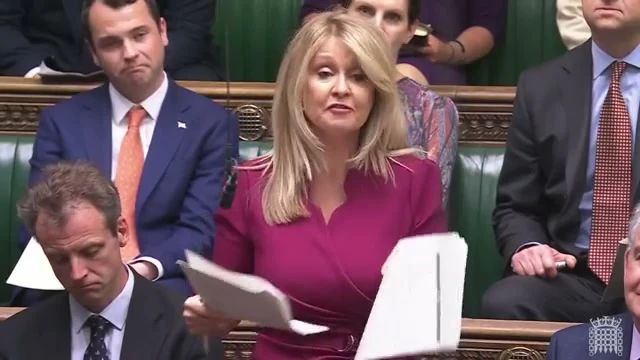
The MP went on to describe what he characterized as the Prime Minister’s “staggering lack of curiosity” and his inability to heed warnings regarding his “good friend Peter Mandlesson.” According to the MP, the Cabinet Office had provided the Prime Minister with a due diligence document that listed several reasons why Peter Mlesson should not be appointed.
Those reasons, as outlined by the MP, included that Peter Mlesson had been fired twice from government, had business dealings in Russia and China, and had maintained a relationship with Epstein following Epstein’s imprisonment for pedophilia. The MP pressed the Prime Minister, asking why, despite knowing this information, he appointed Peter Mlesson anyway.
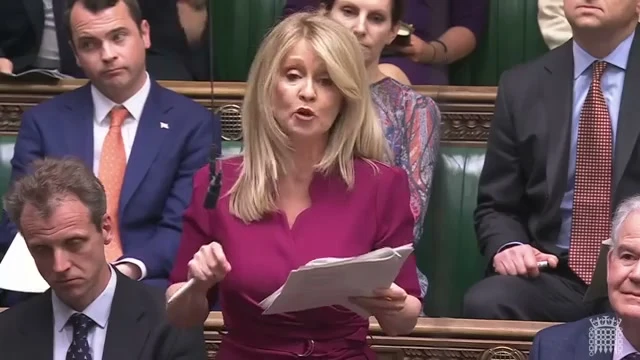
In his response, Prime Minister Starmer acknowledged the situation, stating that Peter Manson was asked various questions following the due diligence exercise and did not tell the truth in those answers. The Prime Minister then conceded that the decision to appoint him was an error.
“It was my error, and I’ve apologized for it,” Starmer said during the parliamentary exchange, taking direct responsibility for the appointment despite the warnings detailed in the due diligence document.
The MP’s question and the Prime Minister’s response highlighted a significant political development concerning the vetting and appointment process within the government. The specific position for which Peter Mandelson was considered and appointed remains a matter of the parliamentary record.
The exchange has drawn attention to the procedures followed by the government in evaluating candidates for public roles, particularly when potential risks are flagged by official due diligence reports from the Cabinet Office.

Prime Minister Starmer’s admission that the appointment was an error and his apology mark a clear acknowledgment of the controversy. The full implications of the due diligence findings and the subsequent appointment process continue to be subjects of discussion in Parliament.
Reform Strikes Back at MP Who Blamed White Men for Grooming Gangs
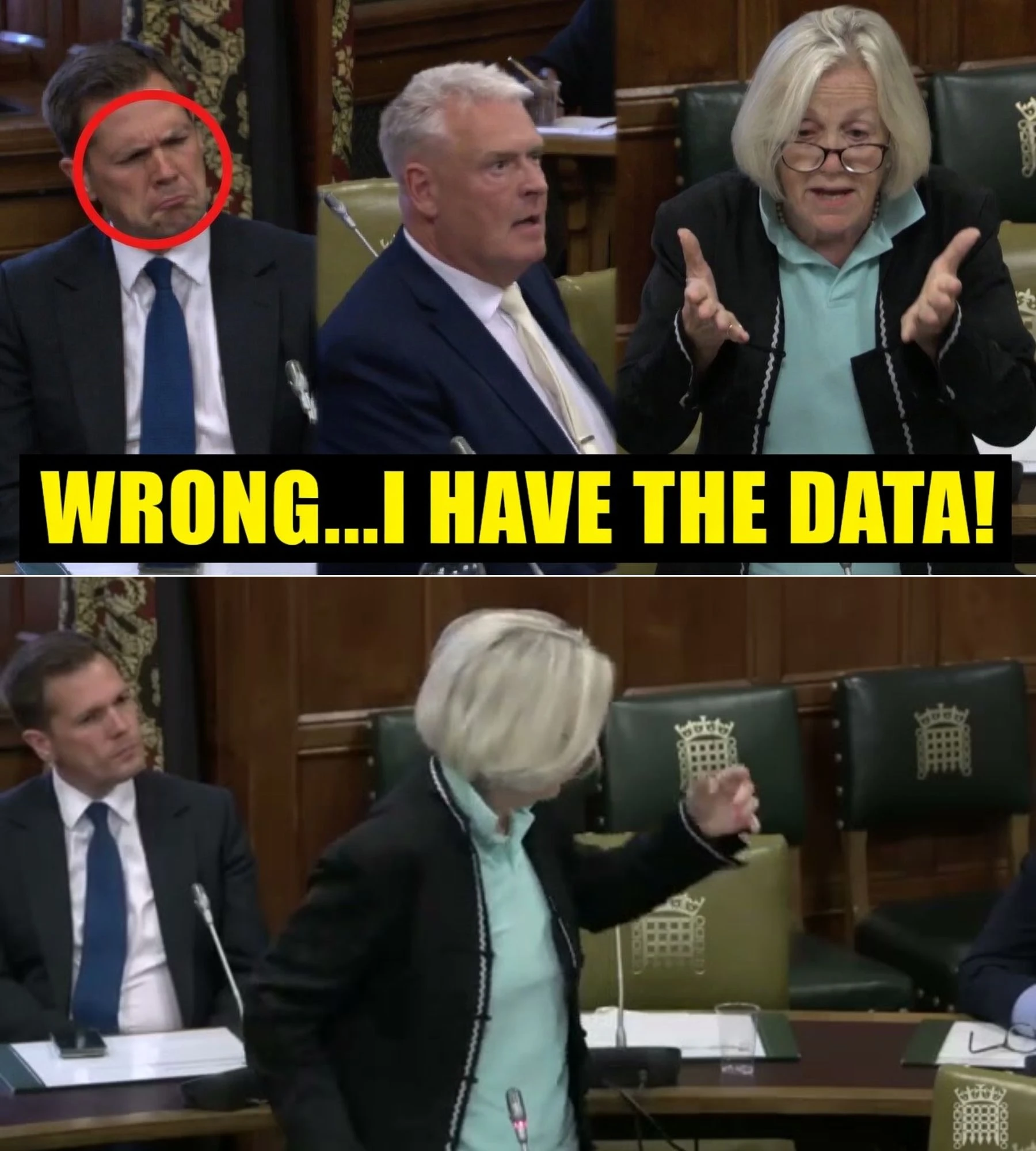
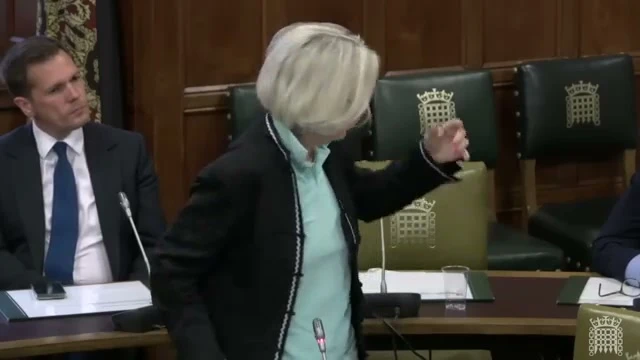
A political dispute has erupted in the United Kingdom over the ethnic breakdown of perpetrators in child sexual abuse cases, following the release of data by the House of Commons Library. The exchange took place during a parliamentary session, with Reform party figures pushing back against a Member of Parliament who they claimed was blaming white men for grooming gangs. The debate centers on official statistics regarding the ethnicity of individuals who have faced legal proceedings for such offenses.
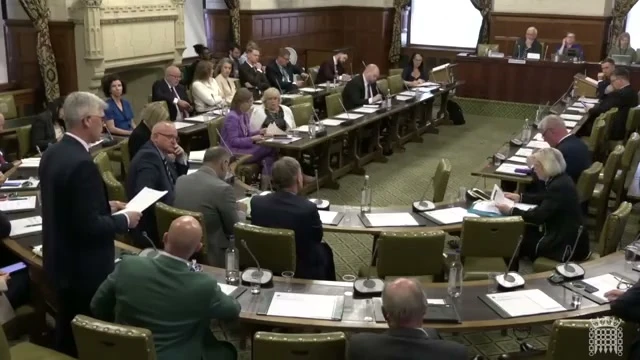
According to the data cited during the debate, figures compiled by the House of Commons Library from 2021 to 2025 show that the single largest ethnic group of perpetrators in child sexual abuse cases in the United Kingdom were white British men. The data indicated that white British men accounted for 58.35% of all instances. A speaker in the chamber confirmed having the figures, stating that in the last five years, 989 individuals of Asian background had faced proceedings, representing 8% of offenders. This figure was compared to 12,157 individuals of white British origin who had faced proceedings during the same period.
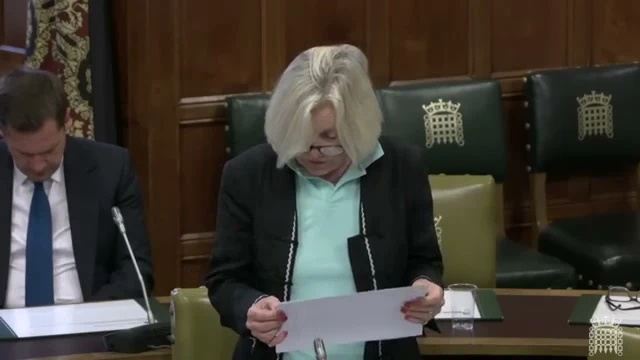
The discussion escalated when Lee Anderson intervened. Anderson thanked the female speaker for yielding, noting that she had presented several pieces of interesting data. He then asked if she had any data on how many white British working-class girls had been systematically raped. The speaker responded that she did not have that information, clarifying that her focus had been specifically on the ethnicity of offenders, which was the subject of the original data.
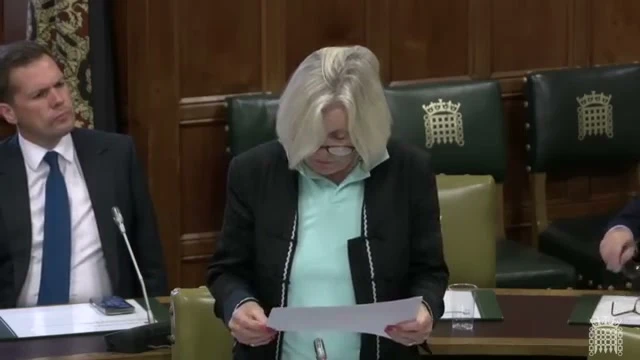
The speaker later referenced the Member for Great Yarmouth, who had originally presented a petition on the matter. She acknowledged that her honorable friend had presented the petition earlier in the day on behalf of the Member for Great Yarmouth. She described the petition as a very good thing, stating that anything that brings information into the public domain is positive. She concluded by saluting the Member for Great Yarmouth for his actions, citing the issue as one she feels terribly strongly about.
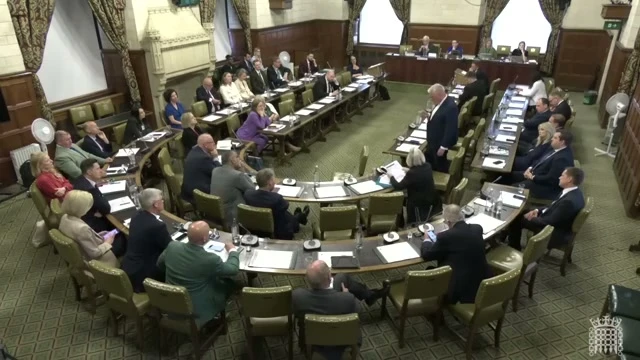
The data from the House of Commons Library has become a central point of contention, with Reform representatives firing back at the MP who they perceived as blaming white men for the grooming gangs scandal. The exact nature of the MP’s original statement that prompted this response was not detailed in the source material. The source material does not specify the name of the MP who was accused of blaming white men, nor does it provide the precise wording of that individual’s remarks.
The figures presented in the chamber, specifically the comparison between the 989 Asian background offenders and the 12,157 white British origin offenders, have become a key point of debate. The source material does not provide further context on the total number of offenders or the methodology used by the House of Commons Library to compile the data. The outcome of the parliamentary exchange or any subsequent actions resulting from the petition remains unknown based on the information provided.