
A Death, a Funeral Home, and an Act That Shocked a City
In early 2025, a case out of Houston began quietly, as many funeral-related cases do, with paperwork, routine procedures, and the expectation that a deceased individual would be handled with professionalism and care. Instead, it evolved into a deeply unsettling legal matter that raised questions about ethics, personal judgment, and the boundaries of conduct in professions entrusted with the dead.
At the center of the case is a funeral home employee whose actions, according to authorities, crossed a line that the law is unequivocal about: regardless of who someone was in life, the dead are legally entitled to dignity.
The Role of an Embalmer
Funeral workers operate in a space most people rarely see. Embalmers, in particular, are trained professionals responsible for preparing bodies for burial or cremation. Their work requires precision, emotional detachment, and strict adherence to professional and legal standards.

Families trust that once they hand over the remains of a loved one, those remains will be treated respectfully. That trust is foundational to the funeral industry and is reinforced by licensing requirements, oversight, and criminal penalties for misconduct.
In this case, prosecutors say that trust was violated.
The Individuals Involved
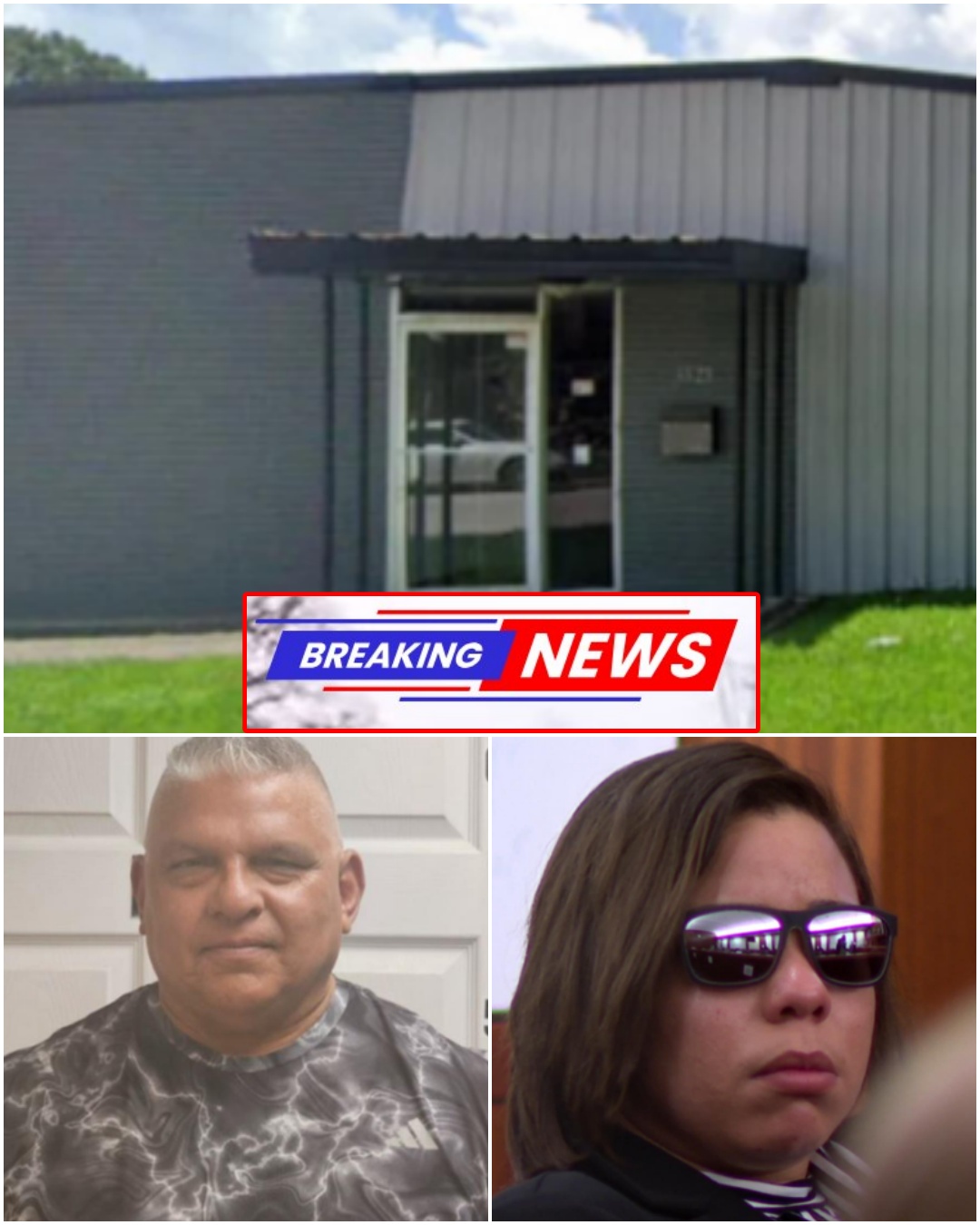
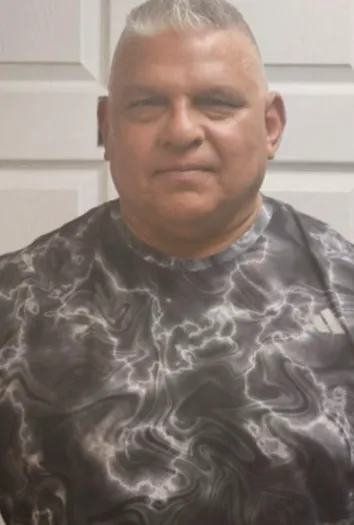
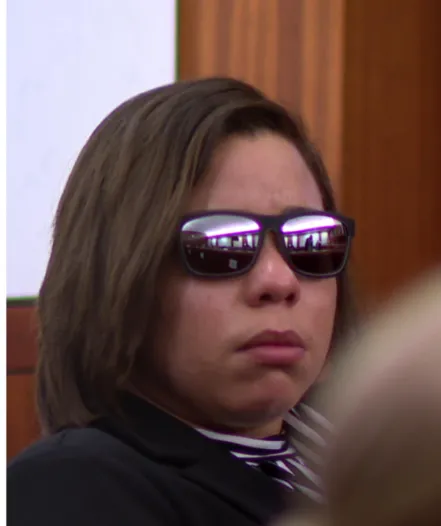
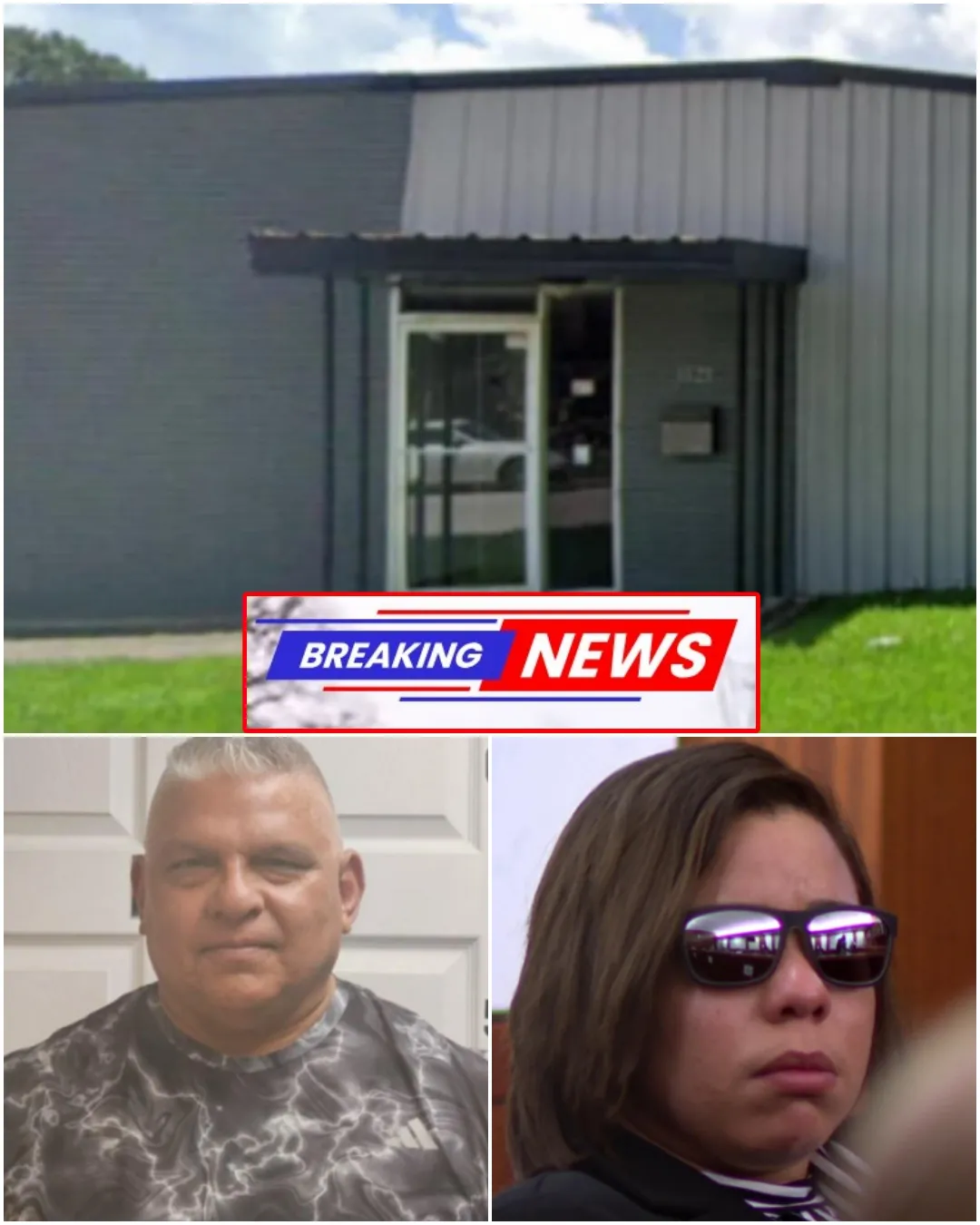
According to charging documents, the incident involved 34-year-old Amber Paige Laudermilk, who was employed as an embalmer at Memorial Mortuary and Crematory in Houston. The deceased individual was 58-year-old Charles Roy Rodriguez, who had passed away from natural causes in January 2025.
Public records indicate that Rodriguez had previously been convicted of a sexual offense and was listed on the Texas sex offender registry during his lifetime. That history, authorities allege, became the catalyst for what happened next.
What Investigators Allege Happened
Law enforcement officials say that in February 2025, while preparing Rodriguez’s body for cremation, Laudermilk learned of his status on the registry. Investigators allege that she then deliberately altered the body in a manner unrelated to any professional or medical necessity.
According to the criminal complaint, the act was intentional and not part of any accepted embalming practice. The alleged actions occurred before the body was scheduled to be cremated and were discovered after another employee reported the incident.
A Witness Comes Forward
Charging documents indicate that a trainee or co-worker was present during part of the incident. This individual later told authorities that Laudermilk made statements implying the act should not be discussed or reported.
Prosecutors allege that other employees were similarly discouraged from coming forward. Ultimately, however, the incident was reported to law enforcement, triggering an investigation.
The Legal Charge
Laudermilk was charged with felony abuse of a corpse, a serious offense under Texas law. The statute exists to protect public trust and ensure that deceased individuals are not subjected to mistreatment, regardless of their identity or past actions.
Under Texas law, abuse of a corpse can include intentional damage, mutilation, or desecration of human remains. The charge reflects not only the physical act but the breach of professional and ethical duty.
Immediate Consequences
Following the allegations, Memorial Mortuary and Crematory terminated Laudermilk’s employment. Funeral home officials stated that her actions did not reflect their policies, training, or standards, emphasizing that the facility cooperated fully with authorities.
In addition to criminal charges, state regulators began proceedings to suspend or revoke Laudermilk’s embalming license, which would permanently bar her from working in the profession.
Why Criminal History Does Not Matter After Death
One of the most significant aspects of this case is the legal principle it reinforces: a person’s criminal past does not strip them of their rights in death.
Officials stressed that funeral professionals are not judges, juries, or arbiters of moral punishment. Their role is limited and clearly defined. Once a person dies, the law recognizes the body as deserving of respect—not as a reflection of character, but as a matter of public order and human dignity.
Ethical Boundaries in High-Stress Professions
Psychologists and ethicists note that professions involving death can create emotional strain, especially when workers encounter individuals with disturbing histories. However, ethical frameworks exist precisely to prevent personal reactions from overriding professional responsibility.
Experts say that when personal judgment replaces professional conduct, the consequences can be severe—not only legally, but emotionally for families, co-workers, and the broader community.
Public Reaction and Division
News of the case quickly spread online, sparking intense and polarized reactions. Some expressed outrage that the deceased’s past crimes were even mentioned, arguing that no action could justify mistreatment after death. Others expressed conflicted feelings, acknowledging anger toward offenders while still recognizing that the law must be upheld.
Legal experts were clear: allowing exceptions based on personal disgust or moral outrage would undermine the entire justice system.
The Family Perspective
While little public information has been released about Rodriguez’s surviving relatives, authorities emphasized that families of the deceased—regardless of circumstance—are also victims when remains are mishandled.
Funeral services often represent closure, even in complicated cases. When that process is disrupted, families are forced to relive trauma in unexpected and painful ways.
Oversight and Regulation in the Funeral Industry
The case has renewed calls for stronger oversight, clearer reporting channels, and better psychological support for funeral workers. Industry groups stress that while most professionals follow the rules, even one breach can damage public trust.
Licensing boards across several states reportedly reviewed their own procedures in the wake of the charges.
The Broader Legal Message
Prosecutors emphasized that the case is not about defending the actions of a deceased individual in life. It is about defending the integrity of the law.
If the dead can be mistreated based on who they were, officials warned, then the system becomes arbitrary—and dangerous.
Awaiting the Court Process
As of the filing of charges, Laudermilk is presumed innocent unless proven guilty. The case is expected to move through the Harris County court system, where evidence, testimony, and intent will be examined.

Potential penalties include prison time, fines, and permanent loss of professional credentials.
A Profession Built on Trust
Funeral work relies on discretion, discipline, and restraint. The families who walk into funeral homes are often at their most vulnerable, placing immense trust in strangers to care for those they love.
When that trust is broken, the damage extends far beyond one case.
What This Case Ultimately Raises
Beyond the shocking allegations, this case forces uncomfortable questions:
Where do personal emotions end and professional duty begin?
How should society respond when moral outrage clashes with legal obligation?
And what safeguards are necessary to ensure that dignity in death is never compromised?
An Issue Larger Than One Person
Regardless of the outcome in court, the case has already left a mark on Houston’s funeral industry and on public discourse around ethics and accountability.
It stands as a reminder that the rule of law does not bend to personal judgment—and that some boundaries exist precisely because crossing them harms everyone.
The Question That Remains
As the legal process unfolds, one central question lingers:
When trust is placed in professionals to guard our final dignity, what happens when that trust is broken—and how do we make sure it never happens again?