
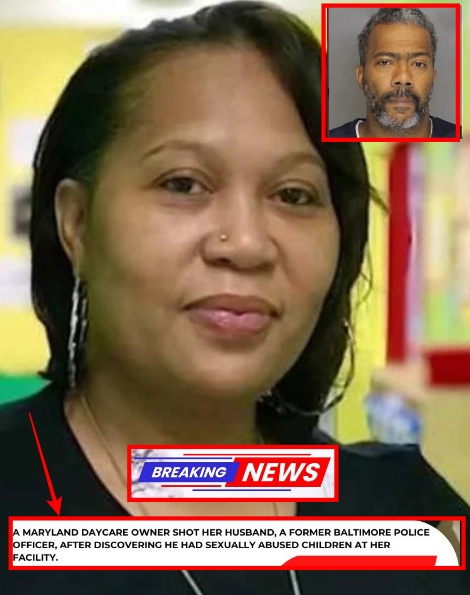
On the outside, Shanteari Weems appeared to be living a life centered on care, responsibility, and trust. She was a mother, a business owner, and the operator of a childcare facility in Maryland—a role that placed her in daily contact with families who trusted her with their most precious responsibility: their children. Nothing about her public life suggested that it would one day collide with violence, police sirens, and a courtroom judgment that would follow her for years.
Her husband, James Weems, carried his own image of respectability. A former Baltimore police officer, he had once worn a badge and sworn an oath to protect the public. After leaving law enforcement, he continued working in security, taking short-term assignments that often placed him in hotels across the region. To many, he appeared disciplined, authoritative, and dependable—qualities that masked what would later be revealed as deeply disturbing behavior.
The fragile balance of their lives began to collapse when allegations surfaced involving children at the daycare Shanteari owned. Parents came forward with concerns, and children allegedly disclosed abuse that pointed to a single person: James Weems. For Shanteari, the realization was shattering. The accusations were not abstract or distant. They were tied directly to her business, her home, and her marriage.
As the reports mounted, Shanteari found herself trapped between disbelief and dread. She questioned whether what she was hearing could possibly be true, yet the consistency of the stories left her unable to ignore them. The weight of responsibility pressed down on her—not only as a wife, but as a caregiver entrusted with the safety of vulnerable children.
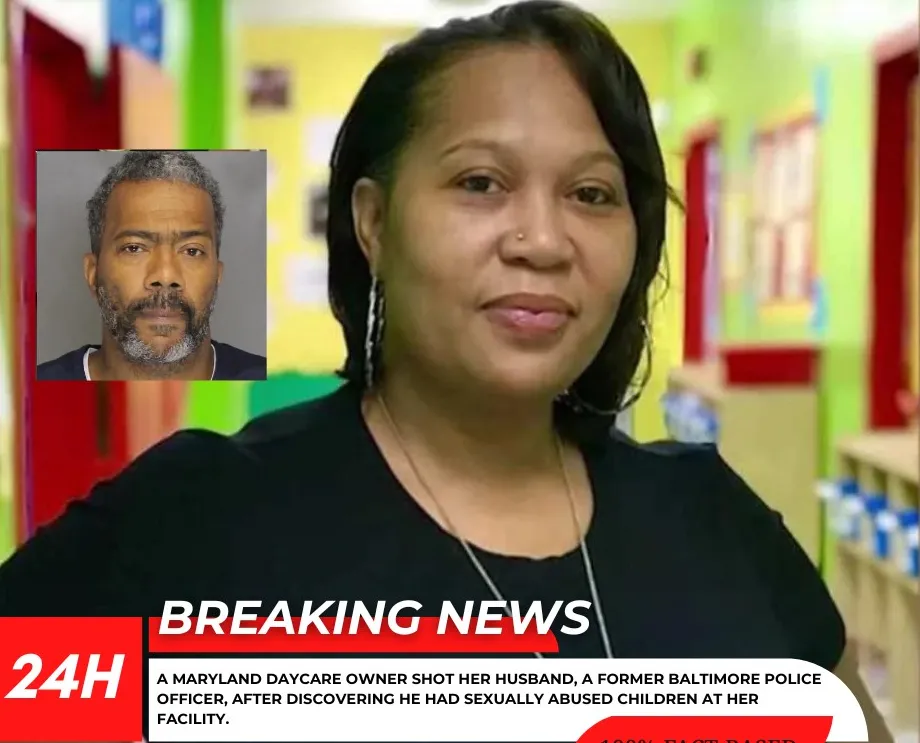
According to court records, Shanteari reported the allegations to authorities in Baltimore. But the emotional turmoil did not ease. The sense of betrayal, guilt, and rage grew stronger with each passing day. She was forced to confront the possibility that the person she had trusted most had been exploiting children under her watch.
In the fall of that year, James Weems was staying at the former Mandarin Oriental Hotel in Washington, D.C., where he was working a security assignment. It was there, in a quiet hotel room overlooking the city, that the confrontation would take place. Shanteari arrived at the hotel determined to demand answers—answers she felt she could no longer avoid.
Inside the room, emotions escalated quickly. Shanteari questioned James about the allegations directly. The conversation, according to later testimony, became heated and emotionally charged. Years of trust unraveled in minutes, replaced by anger, disbelief, and despair.
What happened next would alter both of their lives permanently.
Shanteari pulled out a firearm and shot her husband twice. One bullet struck his leg. Blood smeared across the walls and floor of the hotel room, transforming a space meant for temporary rest into a crime scene. The sound of gunfire triggered a fire alarm, prompting hotel staff to respond—only to discover something far more serious unfolding.
When police arrived, the situation intensified. Shanteari barricaded herself inside the hotel room, refusing to open the door. From behind it, she shouted accusations that echoed through the hallway. She told officers that her husband was a danger to children and screamed warnings that she would take her own life if they forced entry.
Inside the room, James Weems remained conscious. Through the closed door, he confirmed to officers that he had been shot and needed medical attention. Faced with the urgency of the situation, police made the decision to force entry.
Officers breached the door, secured the scene, and rendered medical aid to James. Shanteari was taken into custody without further violence. Both were transported from the hotel under police escort, leaving behind unanswered questions that would soon dominate headlines.
During questioning, Shanteari did not deny what she had done. Instead, she explained why. She told investigators that children at her daycare had accused her husband of sexual abuse. She said she felt overwhelmed by guilt and fear and admitted that she was suicidal at the time of the shooting. She insisted she had not intended to kill him, only to hurt him, driven by emotional collapse rather than premeditation.
The legal process moved forward swiftly. In November 2022, Shanteari Weems pleaded guilty to aggravated assault and carrying a firearm without a license. Prosecutors recommended a lighter sentence, citing her emotional distress and cooperation. However, the judge saw the case differently.
In February 2023, Shanteari was sentenced to four years in federal prison—double what the prosecution had requested. The court emphasized the seriousness of the offense and the dangers of taking justice into one’s own hands, regardless of motive.
While Shanteari served her sentence, the case against James Weems continued to unfold. Investigators gathered testimony, reviewed evidence, and listened to survivors. What emerged was a pattern of abuse that shattered any remaining doubt about the allegations.
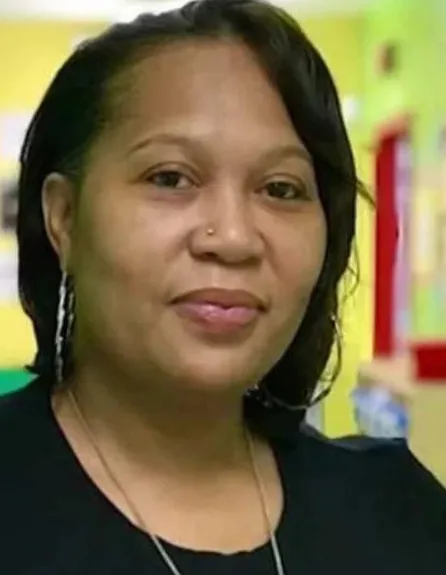
In 2024, James Weems was convicted on 33 counts related to child sexual abuse, including rape. The verdict confirmed what many had feared and what Shanteari had claimed from the beginning. He was sentenced to life in prison, ensuring he would never again have access to children.
The conviction sent shockwaves through the community. Parents grappled with betrayal. Survivors faced the long road toward healing. And the question lingered: could any of this have been prevented sooner?
After completing her prison sentence, Shanteari sought distance from the past. She legally changed her name to Shanteari Young, marking a symbolic break from a chapter defined by trauma, violence, and loss. She returned to Maryland determined to rebuild—not just her life, but her purpose.
Rather than retreat from the world, she chose to confront it directly. By 2026, Shanteari had founded a nonprofit organization called Opened Umbrellas 4 Lil Kidz, dedicated to supporting children who had experienced sexual abuse. The organization focused on advocacy, education, and emotional support for victims and their families.
In interviews, Shanteari spoke openly about regret. She acknowledged that what she did was wrong and accepted responsibility for her actions. Yet she drew a clear line when it came to apology.
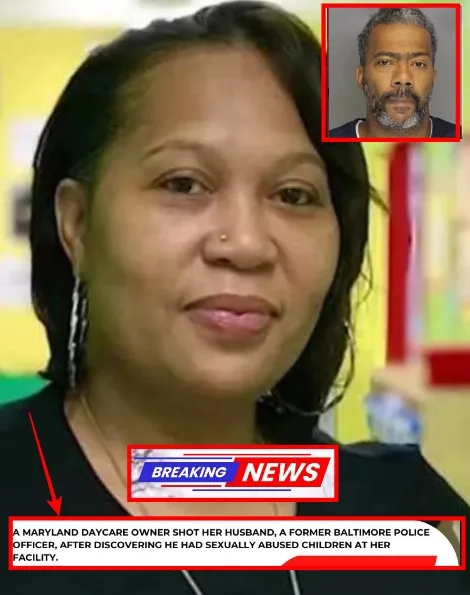
“I regret what I did,” she said. “But I will never apologize to him. I’ll apologize when he apologizes to those children.”
Her story remains deeply complex—one that resists simple judgment. It is a story of failure at multiple levels: personal, institutional, and systemic. It raises painful questions about how abuse is handled, how victims and whistleblowers are supported, and what happens when trust collapses under the weight of hidden crimes.
In the end, there were no clean outcomes. Only damaged lives, irreversible decisions, and the uneasy recognition that justice and tragedy often exist side by side.
And perhaps the most unsettling truth of all is this:
When warning signs surface, when accusations emerge, and when silence prevails—how many more stories like this are still waiting to be uncovered?