
It was a frigid morning in Jay County, Indiana, on January 12, 2020. The frost clung to the edges of the quiet roads, and a thin haze of mist hovered over the rural landscape. The usual stillness of the countryside was broken by the flashing lights of emergency vehicles responding to a call from a passerby who had found a man lying along a rural lane. That man was Shea Briar, 31 years old, a local man whose life would end in a shocking act of violence.
Briar was found semi-conscious but unable to speak. First responders were initially unsure what had happened, treating the scene with caution and urgency. There were no obvious signs of struggle, and the quiet rural road offered little immediate evidence. Paramedics transported Briar to a nearby hospital, where medical staff quickly realized the severity of his injuries. A single bullet had entered his back and penetrated his heart. There was no exit wound. Despite immediate medical intervention, Briar passed away in the emergency room. The community was stunned.
Detective Ben Schwartz of the Jay County Sheriff’s Department described the case as “shocking and deeply disturbing,” telling reporters that the bullet wound was precise and fatal. The questions were immediate: who would commit such an act, and why? Briar was known in the community as a devoted father, a former partner, and a man with no public enemies. The incident challenged the calm of the small town and set investigators on a path that would reveal a complicated web of relationships, deceit, and planning.

Within hours of the murder, police began canvassing the area, seeking witnesses, surveillance footage, and any physical evidence that could identify the shooter. The rural nature of the crime scene posed challenges. There were no nearby cameras, and the sparse traffic meant few potential eyewitnesses. Each lead, no matter how minor, was scrutinized for relevance. Investigators needed to piece together both Briar’s final movements and the motives behind the attack.
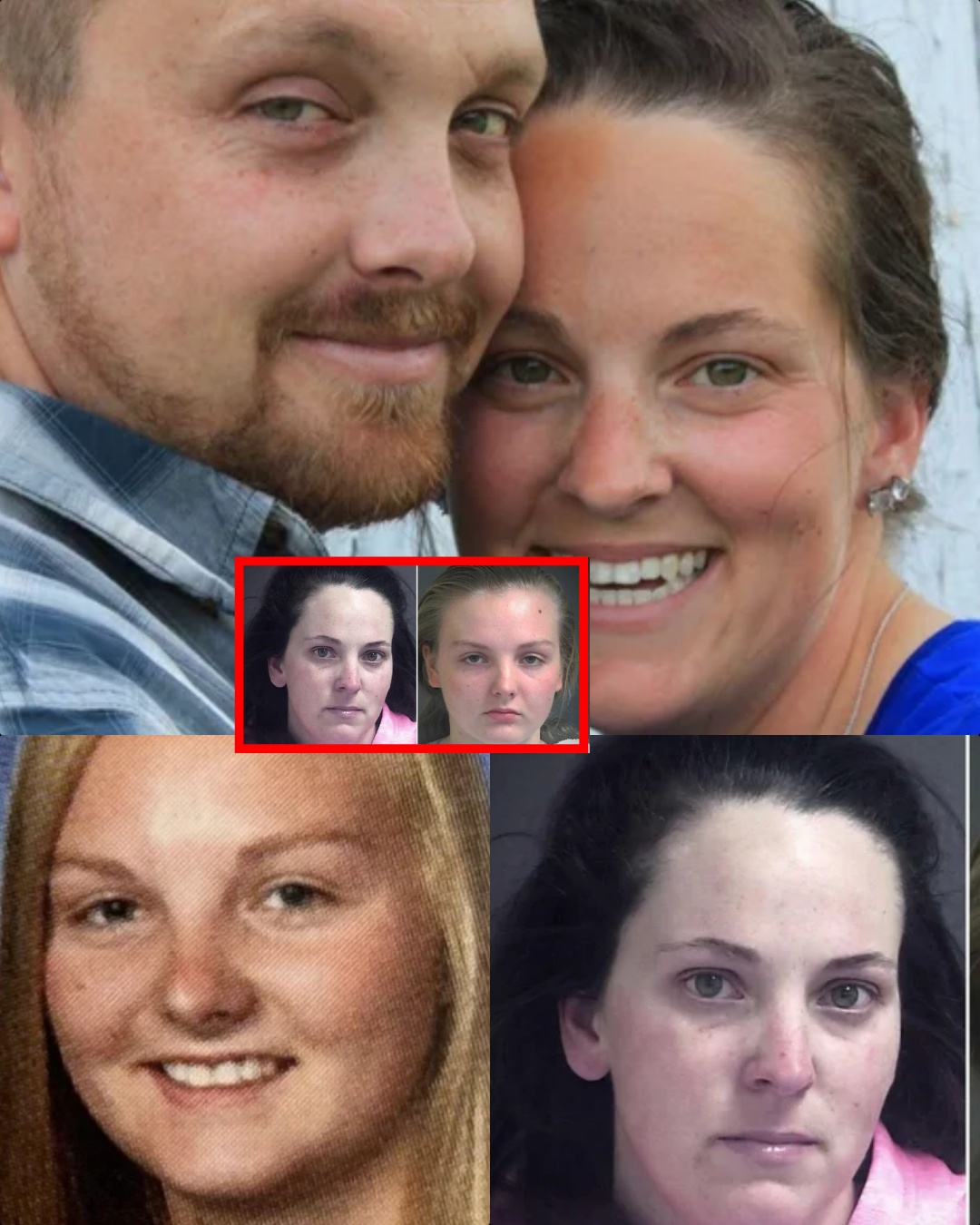
The investigation took a critical turn when authorities received a call from Kristi Sibray, a former police officer and acquaintance of Esther Jane Stephen, 29, Briar’s former fiancée. Sibray told detectives that Stephen, often called E.J., had frequently confided in her about disputes with Briar, particularly regarding parenting issues for the young daughter they shared. Briar and Stephen had recently ended their engagement, and Briar had petitioned the court to establish visitation rights, a move Stephen reportedly resented deeply.
According to Sibray, Stephen’s frustration grew over time and became increasingly specific. She spoke to Sibray about “getting rid of” Briar, although Sibray initially dismissed the comments as venting. At first, the conversations were vague and emotional—just complaints about co-parenting conflicts. But over months, Stephen allegedly began discussing potential methods to harm Briar. Sibray, though alarmed, did not grasp the seriousness at the time, believing them to be expressions of anger rather than concrete plans.
Sibray later revealed that Shelby Hiestand, a 19-year-old assistant coach working with Stephen, was also involved in these discussions. Hiestand’s presence added another dimension to the unfolding events. Sibray claimed that the women sometimes talked about poisoning Briar, including slipping pills into his tea. On at least one occasion, the substance reportedly included crushed ibuprofen. Briar drank the tea but suffered no lasting harm. Sibray admitted she never believed these plans were real, attributing them to youthful dramatics or hypothetical venting.
But the reality of Briar’s death changed everything. After hearing of his murder, Sibray recounted the past conversations with horror, realizing that the casual discussions she had dismissed might have been precursors to the fatal act. She expressed deep regret for not taking action sooner, saying she felt she had failed to intervene or alert authorities when warning signs were present. Her testimony would become a crucial part of the police investigation and subsequent trial.
The police quickly brought both Stephen and Hiestand in for questioning. At first, both women denied involvement, maintaining that they had nothing to do with Briar’s death. Investigators confronted them with inconsistencies in their accounts, witness statements, and the emerging narrative from Sibray. Under pressure, both eventually admitted to being present during the incident, with Hiestand confessing to shooting Briar in the back on the rural road. She claimed to have “blacked out” at the moment and could not explain her actions fully, while Stephen acknowledged facilitating the encounter but denied directly firing the weapon.
Sheriff’s records and investigative files revealed a chilling sequence of events. The night before the murder, Briar reportedly met with the women under seemingly ordinary circumstances. The conversation had been planned to discuss matters related to their shared daughter, yet investigators would later argue that it was a pretext for a lethal setup. The two women took him to a remote location, away from public view, where the shooting occurred. The rural road ensured no witnesses would be present and minimized the likelihood of immediate police response.
The narrative became more complex with the introduction of the alleged poisoning attempts. Stephen maintained that slipping pills into Briar’s tea was a harmless experiment, intended as a joke or chemistry test, while Hiestand’s involvement suggested that both women had crossed a moral line long before the fatal shooting. Sibray’s testimony, along with corroborating details, presented a troubling picture of planning, intent, and escalating aggression.
In the wake of the confessions, both women were arrested and charged with murder. Legal proceedings followed, with both initially pleading not guilty. During Stephen’s trial, she shifted blame to Hiestand, asserting that she had no direct motive to kill Briar and had only participated under misguided influence. Hiestand’s defense argued that Stephen had coerced or manipulated her, a point that became central to the jury’s consideration of intent and culpability.
The trial unfolded with intense scrutiny. Prosecutors presented evidence of prior threats, the poisoning attempts, and witness testimony that painted a consistent picture of premeditation. Expert testimony highlighted the methodical nature of the crime, the deliberate removal to a secluded location, and the timing of the shooting. Defense attorneys countered with claims of psychological influence, impulsivity, and lack of direct intent on Stephen’s part.
Public interest in the case was significant. Local media covered the arrests, the trial, and ongoing commentary, focusing on both the human drama and the procedural challenges. Residents of Jay County expressed shock at the involvement of two women in such a violent act, particularly given Stephen’s position as a coach and a community figure. The contrast between public persona and private behavior became a key theme in media discussions.
Throughout the trial, Sibray’s testimony was pivotal. Her recounting of past conversations, the gradual escalation from venting to discussion of potential harm, and her perspective on the women’s intentions provided jurors with insight into the planning and psychological dynamics behind the murder. Her statements emphasized that warning signs had been present but overlooked—a sobering reminder of the importance of vigilance in preventing violence.
For Briar’s family, the trial was both emotionally draining and necessary. His mother, Tracy Hoevel, spoke publicly about her grief, highlighting Briar’s devotion to his daughter and the everyday life he had led before being murdered. The legal proceedings allowed the family to confront the circumstances of his death while advocating for justice, though the emotional toll was immense.
The case also highlighted the complexities of modern criminal investigations involving multiple suspects, premeditation, and minor accomplices. Law enforcement officers noted that gathering statements, verifying timelines, and establishing connections between participants required extensive coordination, forensic analysis, and careful interpretation of witness credibility. The rural setting, lack of immediate evidence, and conflicting accounts further complicated the process.
Experts in criminal psychology observed that cases involving co-conspirators often involve subtle forms of manipulation, peer influence, and the gradual escalation of harmful intentions. Stephen and Hiestand’s interactions exemplified these dynamics, with one individual’s planning potentially amplifying the actions of the other. Jurors were tasked with dissecting these interpersonal nuances to assess culpability accurately.
The trial also examined the broader societal implications. A high school coach and assistant involved in a premeditated murder challenged assumptions about trust, authority, and community safety. Citizens grappled with the idea that someone perceived as responsible for mentoring young people could also harbor violent intentions. This dimension added complexity to public perception and media reporting.
As the legal process continued, both women’s attorneys explored mitigating circumstances, including claims of coercion, emotional instability, and influence over one another. Prosecutors emphasized accountability, asserting that premeditation, prior discussions of harming Briar, and active participation left no ambiguity about responsibility. The jury’s deliberations would ultimately hinge on these factors.
Community members, colleagues, and acquaintances were called to testify, offering perspectives on the women’s character, behavior, and previous interactions with Briar. These testimonies highlighted discrepancies between public and private personas, patterns of communication, and potential warning signs that had been ignored before the murder occurred.
In the courtroom, forensic evidence was presented meticulously. Ballistic analysis confirmed the shot’s trajectory, establishing Hiestand as the shooter. Physical evidence from the rural road, along with witness testimony, supported the sequence described by law enforcement. Toxicology reports, communications, and prior threats reinforced the narrative of escalating hostility and premeditated intent.
Throughout the proceedings, public attention remained high. News outlets covered trial updates, jury selection, testimony, and closing arguments, keeping the case in national discourse. Social media amplified public sentiment, blending outrage, sympathy for Briar’s family, and fascination with the complex dynamics between the two women.
The case ultimately served as a cautionary tale about domestic disputes, co-parenting conflicts, and the potential for private grievances to escalate into extreme violence. It also underscored the importance of paying attention to warning signs, understanding interpersonal influence, and the challenges of legal responsibility when multiple actors are involved.
As the trial concluded, the central question remained: would the jury see Stephen as a manipulative influence, Hiestand as a coerced participant, or both as fully responsible? The narrative of venting, poisoning attempts, and eventual murder presented a tangled web for legal minds and the public alike.
For Shea Briar’s family, justice was not merely about a conviction—it was about understanding why a man so devoted to his daughter lost his life in such a horrific manner. The trial provided answers to some questions, but the emotional scars and the moral ambiguities remained, leaving lingering uncertainty about human behavior, accountability, and the consequences of unchecked intentions.
Even now, questions linger in Jay County: how did conversations dismissed as “venting” escalate into murder? Were there missed opportunities to prevent this outcome? And will the full truth of that night, the motivations, and the dynamics between Stephen and Hiestand ever be fully revealed, or will part of this chilling story remain hidden, leaving unanswered questions that haunt the community?