
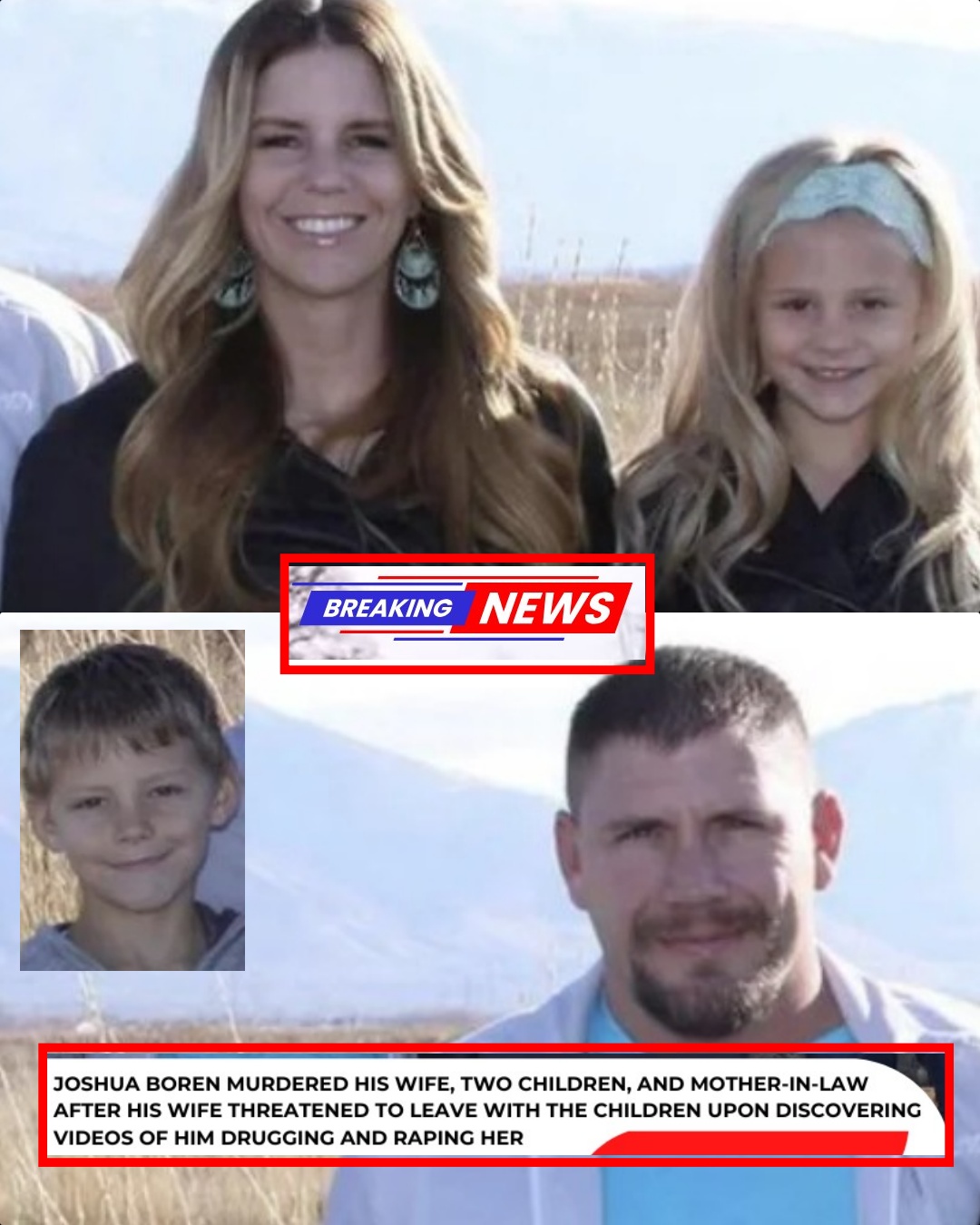
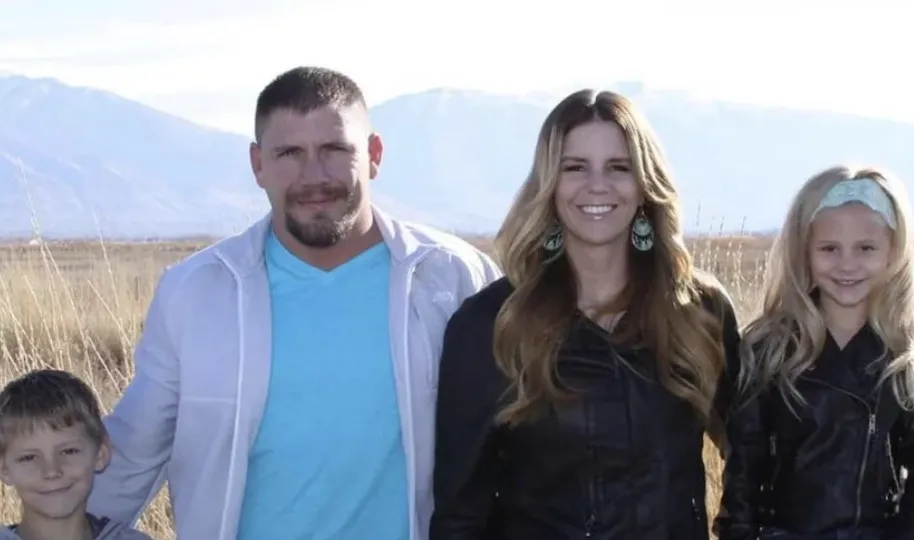
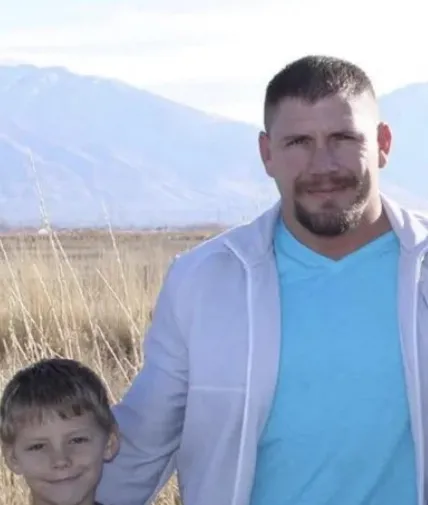
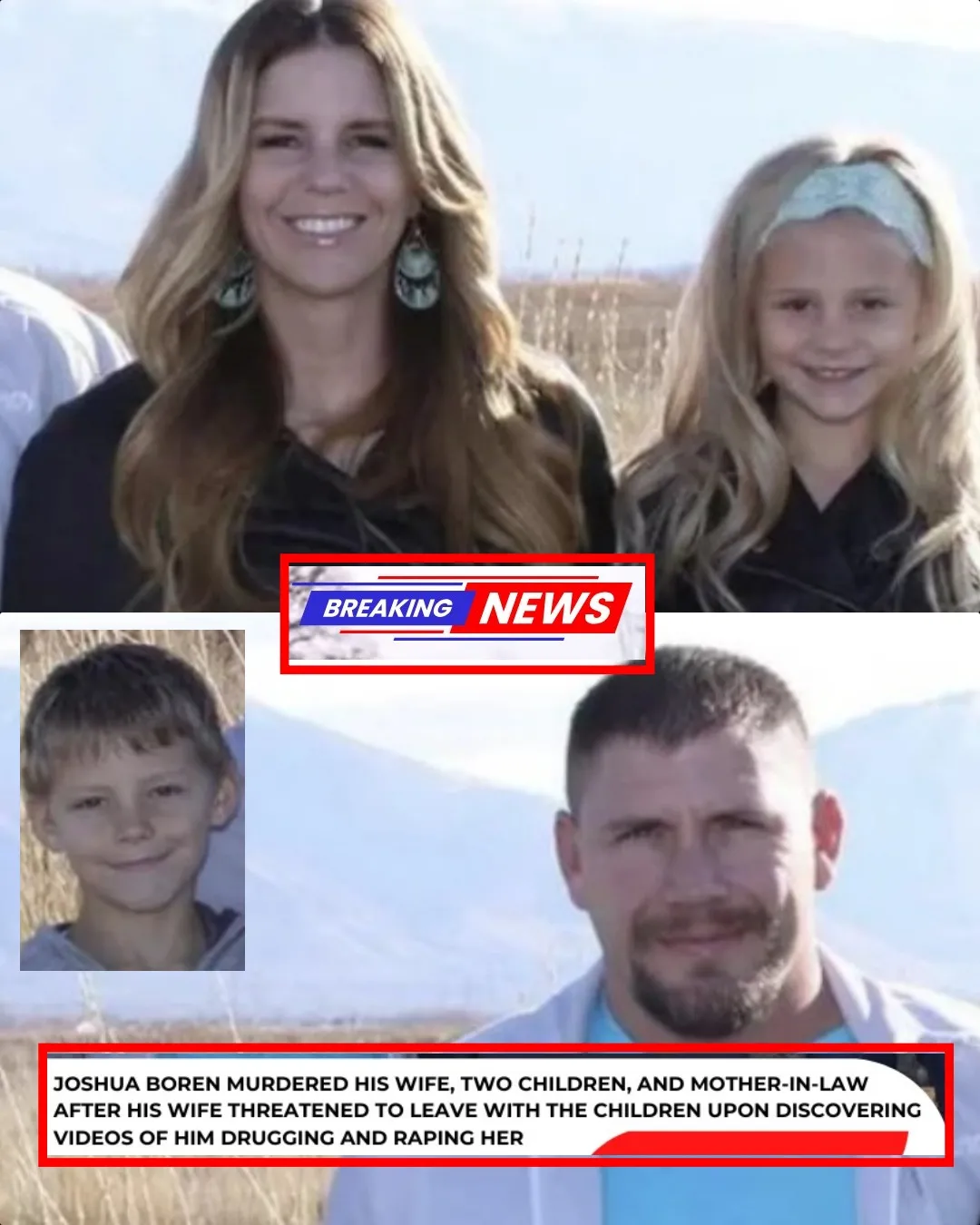
On the surface, Joshua Boren’s life appeared stable, respectable, even admirable. He was a police officer in Lindon, Utah, entrusted with enforcing the law and protecting his community. He was a husband and a father of two young children. Friends and neighbors described him as calm, reliable, and devoted to his family. From the outside, there were no obvious cracks. No public scandals. No prior arrests. No visible signs that anything was deeply wrong.
But inside the walls of his home, a hidden reality was slowly unraveling—one built on control, deception, and profound betrayal. What ultimately emerged after his death was not a sudden act of violence, but the violent conclusion of years of secrecy and abuse that had gone undetected by the systems meant to protect victims and hold offenders accountable.
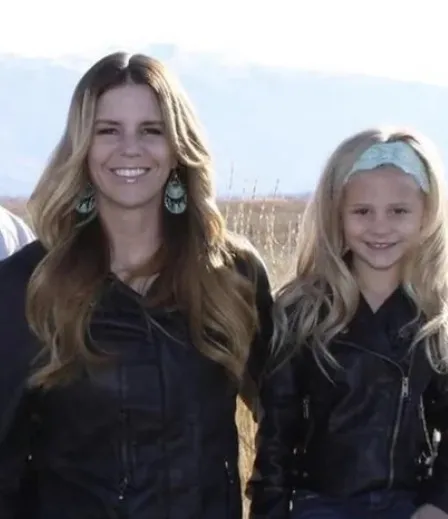
The woman at the center of this hidden nightmare was his wife, Kelly Boren. By all accounts, Kelly was a devoted mother and a deeply private person. She loved her children fiercely and worked hard to maintain a sense of normalcy in their lives. Yet behind that carefully maintained exterior, she was living with a growing sense of confusion and dread—feelings she could not fully explain until she uncovered evidence that would change everything.
In the weeks leading up to January 16, Kelly made a discovery that shattered her understanding of her marriage. She found videos secretly recorded by Joshua, revealing that he had drugged her and assaulted her while she was unconscious. The recordings confirmed what she had long suspected but could never fully articulate—that violations had occurred without her consent, without her awareness, and without her ability to protect herself.
The discovery was devastating. Kelly was not only confronted with the reality of what had been done to her, but with the realization that it had been deliberately hidden, repeated, and documented. This was not a momentary lapse or misunderstanding. It was a pattern. A calculated betrayal carried out by the person she trusted most.
Joshua later admitted to his therapist that he had slipped Ambien into Kelly’s protein shakes on multiple occasions. He described the assaults clinically, stripped of empathy, acknowledging the behavior while minimizing its impact. In these sessions, he framed himself as conflicted, ashamed, and struggling—but never fully accepted responsibility in a way that suggested true accountability.
Kelly confided in close friends about what she had discovered. She spoke about her fear, her shock, and her sense of violation. Yet she did not report Joshua to authorities. Part of her hesitation stemmed from fear—fear of retaliation, fear of not being believed, and fear that reporting him would destroy not only his career but their family’s stability. The weight of those fears kept her silent, even as the truth consumed her.
The night before the murders, Kelly’s silence broke. She sent Joshua a series of messages that were raw, direct, and filled with anguish. In them, she confronted him openly, accusing him of assault and of destroying her sense of safety and self. One message stood out for its emotional clarity: “You raped me… You killed a part of me.” It was not a threat. It was a statement of harm and loss.
That confrontation marked a turning point. For the first time, Joshua was no longer able to contain the truth or control the narrative. Kelly made it clear that she intended to leave him and take their children with her. She told him she planned to seek full custody, determined to protect her children from a man she no longer recognized.
For Joshua, the carefully constructed life he had maintained was collapsing. His secrets—ones he had gone to great lengths to conceal—were now exposed. The image he projected as a law enforcement officer, a protector, and a family man was at risk of unraveling entirely. Faced with the loss of control, he made a decision that would devastate multiple families and shock an entire community.
On the morning of January 16, inside their home in Spanish Fork, Joshua used his service weapon to carry out a series of killings. Kelly was shot and killed. Their two young children were also killed. Joshua’s mother-in-law, who was present in the home, was killed as well. After taking their lives, Joshua turned the gun on himself.
Emergency responders arrived to a scene that defied comprehension. What they found was not only a family destroyed, but the violent end of a secret history that few had known existed. The house that once held birthday celebrations, bedtime routines, and family meals had become the site of irreversible loss.
Toxicology reports later confirmed that Joshua had no drugs or alcohol in his system at the time of the killings. This was not an impulsive act fueled by intoxication. It was deliberate, planned, and carried out with clarity. The absence of substances eliminated one possible explanation, leaving behind a far more unsettling reality.
As investigators combed through the home, they discovered a notebook belonging to Joshua. Inside were handwritten entries listing what he called his “secrets.” Among them were admissions of a sex addiction, years of abusing his wife, and statements that revealed deep internal contradictions. One entry was particularly chilling: he claimed to despise sex offenders—while openly acknowledging that he was one himself.
The notebook painted a portrait of a man who understood the gravity of his actions but compartmentalized them to survive psychologically. He saw himself as separate from the label he assigned to others. This cognitive dissonance allowed him to continue his behavior while maintaining a public identity built on authority and trust.
The revelation that Joshua was a police officer intensified the shock. He was someone trained to recognize criminal behavior, to protect victims, and to uphold the law. Instead, he exploited his position, his knowledge, and his authority to hide abuse within his own home. The very systems designed to protect Kelly were the ones she feared would fail her.
In the days that followed, the community struggled to reconcile the man they thought they knew with the evidence that emerged. Neighbors expressed disbelief. Colleagues described him as quiet and professional. Friends questioned how such violence could remain hidden for so long. There were no easy answers—only grief, confusion, and anger.
Kelly’s story became a painful reminder of how difficult it can be for victims to come forward, especially when the person harming them holds power, respect, and institutional protection. Her fear of speaking out was not unfounded. History has shown that survivors in similar situations are often doubted, dismissed, or blamed.
The children, whose lives were taken before they could understand what was happening around them, became symbols of the ultimate cost of unchecked abuse. They were not participants in the conflict. They were innocents whose futures were stolen to preserve a lie that could no longer stand.
Joshua’s mother-in-law, too, became part of the tragedy—a reminder that violence rooted in secrecy rarely remains contained. It spreads outward, destroying everyone within reach.
In the aftermath, discussions emerged about accountability, warning signs, and the responsibilities of institutions when those within them commit harm. Questions were raised about whether Joshua’s admissions in therapy should have triggered intervention, and whether more could have been done to protect Kelly before it was too late.
This case was not just about one man’s actions. It was about silence, power, fear, and the devastating consequences of allowing abuse to remain hidden. It exposed how easily trust can be manipulated, and how dangerous it becomes when control is threatened.
For those left behind—friends, extended family members, and a shaken community—the loss was immeasurable. There would be no trial, no testimony, no chance for Kelly’s voice to be heard in a courtroom. The person responsible had ensured that his secrets would be revealed only after lives were already lost.
What remains is a haunting question: how many warning signs go unnoticed when someone appears “respectable”? How many victims stay silent because the cost of speaking feels too high?
And how many hidden truths remain undiscovered—until it is already too late?