

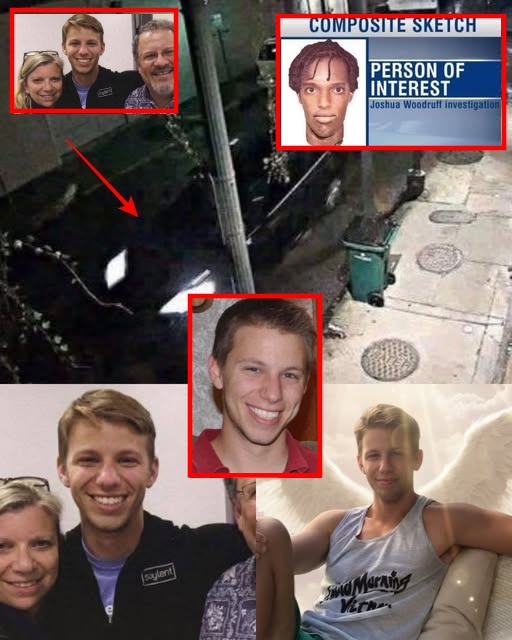
The streets of New Orleans are alive with energy, colors, and sound. Jazz spills from open windows, car horns punctuate the humid air, and the scent of food drifts from corner vendors into the evening sky. On the night of June 15, 2013, the city pulsed with its usual vibrancy. But for one young man, the magic of the city would be forever marred by tragedy.
Josh Woodruff, a 23-year-old native of New Orleans, had spent the evening with friends celebrating a promotion at work. Known for his easygoing nature and laughter that drew people in, Josh had plans to meet a ride home after a long night. He was dressed casually, sneakers scuffed from a week of activity, and a T-shirt that read simply, “Live Free.” He was neither careless nor reckless—just a young man enjoying the last hours of his night.
At around 1:30 a.m., he left the crowded bar and walked down a familiar street, lanterns from wrought-iron balconies casting warm pools of light along the pavement. The French Quarter, normally bustling, had thinned at this hour, leaving a quiet calm that masked the danger that would soon befall him.
Witnesses later recounted seeing a car speed through the area erratically, weaving between parked vehicles and glancing into darkened alleyways. No one initially thought much of it. New Orleans’ nightlife is notoriously unpredictable, and many late-night drivers exhibit questionable behavior. But this car would become central to a tragedy that would ripple through the city for years.
Josh waited at the corner, phone in hand, texting his ride with estimated arrival times. Friends and family would later recount these last messages with a sense of disbelief and sorrow, noting the ordinary nature of his final minutes. There were no ominous signs, no arguments, no warnings—just the quiet rhythm of a night soon to be shattered.
In an instant, the car struck him. According to investigators, the force of the collision sent Josh sprawling into the street. But the tragedy did not end there. The vehicle continued forward, dragging his body across asphalt, over cobblestones, and past streetlights, leaving tire marks imprinted not just on the road but on the collective consciousness of the city.
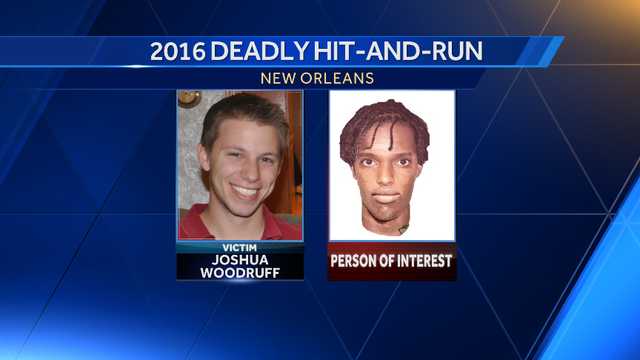
Neighbors later described the sounds as surreal—thuds, scraping metal, and a scream that faded into the night. No one initially connected the noise to the hit-and-run, mistaking it for construction or music from a passing car. By the time authorities were notified, Josh had already been carried nearly six miles from the point of impact.
The first responding officers were met with a scene of chaos and confusion. His body lay across a side street near the edge of the Marigny neighborhood, partially hidden in the shadows. The physical evidence was already compromised; tire tracks had been partially washed away by sprinklers, and witnesses were dispersed across a city that thrives on nightlife.
Forensic teams worked tirelessly to reconstruct the path of the vehicle, but the length of the drag, combined with delays in notification, complicated the investigation. Early missteps—delayed witness interviews, uncollected surveillance footage, and improperly secured evidence—meant that crucial information that could have identified the driver vanished before it could be analyzed.
Josh’s family was devastated. His mother, Emily Woodruff, recounted the moment she was told of his death as a pain that defied words. “I couldn’t breathe,” she said in interviews years later. “He had just been out for a few hours. How could this happen?” The grief was compounded by frustration—no arrests, no charges, and no clear path to justice.

Community members rallied around the family. Candlelight vigils were held along the route Josh had walked that night. Friends and strangers alike placed flowers and handwritten notes at the corner where he had waited for a ride. The city mourned, but also demanded answers.
Detectives on the case described the scene as one of the most challenging they had encountered. The driver had clearly intended to flee, and the vehicle left a trail that became more difficult to follow with every passing hour. By the time investigators traced physical and digital clues, potential leads had gone cold.
Witness statements were often contradictory. One person claimed to have seen a dark sedan leaving the area at speed, while another described a pickup truck with visible damage to the bumper. Surveillance cameras, many old and poorly maintained, failed to provide clear footage. Each clue seemed to lead to more questions than answers.
Over the weeks following the incident, police canvassed the neighborhoods, interviewed late-night pedestrians, and reviewed bar footage for any sign of the suspect. Each effort yielded frustratingly little. Despite the department’s determination, the case stagnated. The “question mark” over the French Quarter grew heavier with each passing day.

Josh’s friends described him as careful, responsible, and considerate. He had no enemies, and there was no clear motive for anyone to target him. The randomness of the hit-and-run left the city shaken, challenging notions of safety in areas previously considered secure, even at night.
Social media amplified the tragedy. Posts honoring Josh circulated widely, with images of his smile, captions recalling inside jokes, and testimonials from coworkers and classmates. But along with public mourning came speculation, rumors, and conflicting theories about the circumstances, further complicating the narrative.
Legal experts noted that hit-and-run cases are inherently difficult to solve, especially when initial investigative delays occur. Evidence can be contaminated, witnesses can forget details, and time allows suspects to disappear without a trace. In Josh’s case, these factors converged to create a near-impossible puzzle.
The drag marks themselves became a focus of forensic study. Investigators attempted to calculate vehicle speed, weight, and type from impressions on the road, analyzing everything from asphalt abrasion to broken debris. While these details provided some technical insights, they were insufficient to identify the driver.
Family and friends continued to advocate for the case. Petitions, interviews, and public appeals called attention to the lack of resolution. Every anniversary of Josh’s death became a renewed plea for justice, highlighting both the human loss and the systemic frustrations within the investigative process.
The case also sparked discussions about urban safety. Local officials reviewed traffic enforcement, late-night patrols, and street lighting in high-risk areas. Residents demanded accountability, not just for the driver but for policies that might prevent future tragedies.
As the years passed, the trail grew colder, but the family never relented. They commissioned private investigators, revisited witness accounts, and sought experts in accident reconstruction to analyze the available evidence. Each effort aimed to reopen the case and bring the driver to justice.
Psychologists noted the lasting impact on the community and Josh’s family. Trauma from witnessing a neighborhood tragedy, coupled with the lack of resolution, created anxiety, stress, and lingering grief. The story of his death remained present in daily life, haunting the streets where he had last walked freely.
Local media continued to report on anniversaries, keeping the memory of Josh alive. These stories often juxtaposed the vibrancy of New Orleans nightlife with the dangers that sometimes hide in plain sight, reminding citizens that tragedy can strike unexpectedly.
Community activists argued for stronger legal consequences for hit-and-run drivers, especially those whose actions result in death. The case became emblematic of broader issues in traffic law, urban planning, and law enforcement responsiveness.
Josh’s siblings, friends, and extended family shared stories, photos, and videos that captured his essence. His love for music, football, and cooking painted a portrait of a young man with promise and joy. These remembrances fueled public empathy and reinforced the urgency of solving the case.
Over time, technological advances—enhanced surveillance analysis, license plate recognition systems, and improved forensic methodologies—offered hope. Advocates pressed authorities to reopen the case and apply modern tools that were unavailable at the time of the incident.
Despite years of efforts, the driver remained unidentified. The case sat in the archives, a cold investigation burdened by the initial delays. Yet the story of Josh’s death continues to resonate, a reminder of the fragility of life and the weight of unresolved questions.
The loss also raised ethical debates about media coverage, public memory, and the role of citizen advocacy in cold cases. Citizens grappled with the balance between honoring the victim, respecting the investigative process, and demanding accountability.
Each holiday, festival, or event in the French Quarter evokes memories of that night. Friends recount the laughter and plans that preceded tragedy, a bittersweet reflection on potential unrealized.

The case stands as a cautionary tale about chance, vulnerability, and the consequences of unheeded responsibility on the streets. It highlights how quickly ordinary moments can transform into enduring sorrow.
Josh’s family, however, remains steadfast. Their appeals, memorials, and public statements insist that he will not be forgotten. They continue to push authorities to examine every overlooked lead and every piece of evidence that might finally answer the question of who was responsible.
Even a decade later, one question lingers: will the truth behind Josh Woodruff’s death ever be revealed, or will the identity of the driver and the full story behind that night remain hidden forever, a chilling mystery etched into the streets of New Orleans?