

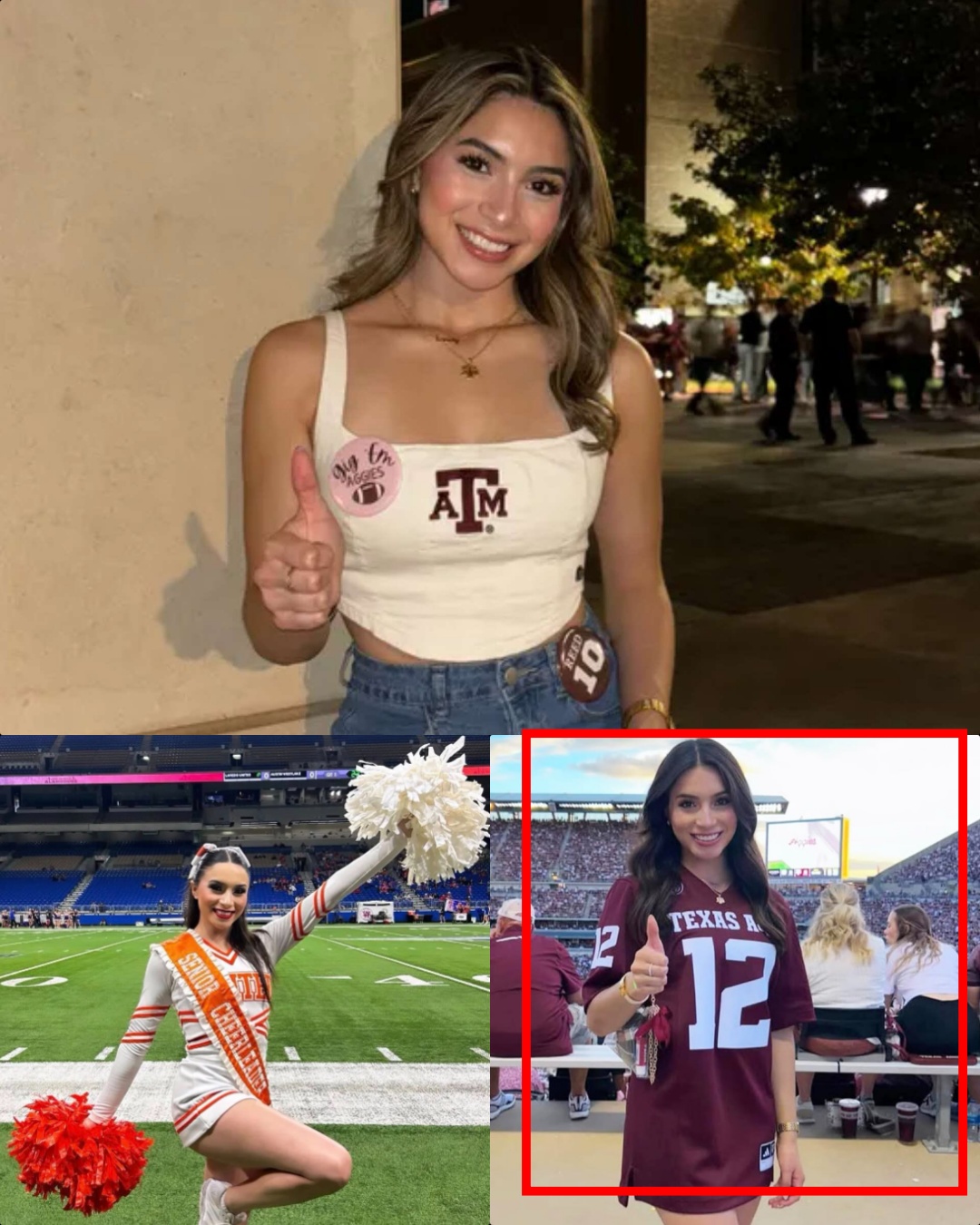
The night of November 23, 2025, began as it had for many college students in Austin, Texas. The streets buzzed with energy, football fans filled nearby bars and tailgates, and the excitement of another weekend at Texas A&M coursed through the city. For Brianna Aguilera, a 19-year-old student known for her outgoing nature and dedication to her studies, the day had started with routine classes, casual meetups with friends, and the anticipation of an evening of social activity. Her family described her as bright, ambitious, and full of life, someone who thrived in the dynamic environment of college while maintaining close ties to home.
Hours later, however, that vitality would be tragically interrupted. Aguilera’s life ended after falling 17 stories from a high-rise apartment building in Austin, a shocking event that left her friends, family, and the wider community stunned. The Austin Police Department initially suggested her death was a suicide, a conclusion that was publicly reported and widely circulated. Yet the circumstances surrounding her death were complex, and many details remained opaque, fueling uncertainty and raising critical questions about what had truly transpired in those final hours.

In the weeks following the incident, Aguilera’s parents, Stephanie Rodriguez and her spouse, began their own investigation. Frustrated with what they viewed as a hasty determination of suicide, they sought legal counsel and initiated a broader inquiry into the events that led to their daughter’s death. The questions were urgent: had Brianna been adequately protected, and were there factors beyond personal choice that contributed to the tragic outcome?
The Aguilera family filed a wrongful death and gross negligence lawsuit in Travis County against two organizations associated with the university community: the Austin Blacks Rugby Club and the University of Texas Latin Economics and Business Association. The suit, seeking $1 million in damages, alleges that both groups illegally served alcohol to Brianna and other underage students during a football tailgate just hours before she died. According to legal filings, Aguilera and others were overserved alcohol in violation of Texas law, leaving her intoxicated and compromised in her ability to fully control her actions.
Attorney Tony Buzbee, representing the Aguilera family, described the events leading up to the tragedy as “disturbing and preventable.” Witnesses interviewed by the family’s legal team reported that Brianna’s demeanor had changed noticeably over the course of the evening. She went from being upbeat and social to increasingly disoriented, culminating in what was described as gross intoxication. These observations suggested that her physical and mental state was compromised at a critical time, and they form a central component of the family’s legal arguments.
Further complicating the narrative, a neighbor living directly across the hall from the high-rise apartment where Aguilera fell provided critical testimony. The neighbor recounted hearing loud music, arguing, and screaming late that night. Shortly after these disturbances, the neighbor observed a group of people leaving the apartment in a hurry. She reported that the unit had been vacated immediately following Aguilera’s fall, adding a layer of suspicion to the events and raising questions about who was present in the hours before her death.
According to Buzbee, the neighbor also stated that police investigators never interviewed her or her family following the incident. Moreover, witnesses who had been with Brianna that night were reportedly instructed by Austin police not to speak to the investigators or to the family. This guidance, according to the attorney, created gaps in the official record and limited the family’s ability to reconstruct the events of that night. These procedural concerns have become a focal point in the ongoing legal dispute.
The lawsuit emphasizes that the overserving of alcohol was not an isolated event but part of a broader pattern of negligence by the organizations involved. Documents filed with the court suggest that multiple students under the legal drinking age were provided with drinks at the tailgate, without appropriate supervision or enforcement of Texas Alcoholic Beverage Code regulations. The suit alleges that this negligence directly contributed to Brianna’s impaired state prior to her fall.
In addition to questions about alcohol service, the case also examines environmental and situational factors. The apartment building itself, its security measures, and the level of supervision in common areas are all cited in the legal filings. The family asserts that adequate safeguards could have prevented the fall or minimized the risk, and they contend that both organizations failed to meet a standard of care expected of adults overseeing events involving young people.
The interplay between the tailgate events, Brianna’s intoxication, and the circumstances in the apartment remains central to understanding her death. The lawsuit suggests that alcohol consumption and social pressures created a scenario in which the young student was vulnerable to an accident that might otherwise have been preventable. The legal claims hinge on whether the organizations’ actions, or lack thereof, amounted to gross negligence.
Community reaction to the lawsuit has been immediate and intense. Students, faculty, and parents have expressed shock and concern. Social media discussions have proliferated, with debates ranging from the responsibilities of student organizations to broader issues of campus safety and alcohol regulation. Many community members voiced empathy for Brianna’s family while questioning how such tragedies can be prevented in the future.
The lawsuit seeks not only financial compensation but also access to records and testimony that could illuminate the events of that evening. By pursuing civil litigation, the family hopes to compel witnesses to provide statements, to uncover details that may not have been captured in police reports, and to clarify what occurred in the hours leading up to the fall. This aspect of the case underscores the limitations of official determinations in providing full transparency.
Attorney Buzbee highlighted the importance of eyewitness accounts in reconstructing the timeline. According to the family, the sequence of events—tailgate attendance, alcohol consumption, social interactions, and the final moments in the apartment—remains murky. Gathering firsthand testimony and documents is essential to establishing a clearer picture and determining liability.
Questions about the police investigation have also fueled public interest. Critics of the initial suicide determination have noted that procedural missteps, such as limited interviews with key witnesses and a lack of thorough examination of the apartment, may have contributed to incomplete conclusions. The lawsuit argues that these gaps must be addressed through civil discovery.
Legal experts have pointed out that wrongful death and gross negligence suits often serve dual purposes: seeking compensation for the family and providing an investigative mechanism when official channels are perceived as insufficient. In this case, the civil suit is positioned as a tool for uncovering the truth and holding responsible parties accountable.
Brianna’s family continues to grieve while pursuing legal recourse. Her mother, Stephanie Rodriguez, has spoken publicly about the emotional toll of losing a child under such circumstances. Statements emphasize both sorrow and a demand for answers, reflecting the frustration families often feel when official explanations leave unresolved questions.
The lawsuit also has implications for college student organizations. It raises issues of oversight, accountability, and the responsibility to ensure safe environments during events involving alcohol. Legal scholars have noted that precedents set in this case could influence how universities and student groups structure social events in the future.
Community organizations have mobilized to support the Aguilera family. Fundraisers, vigils, and awareness campaigns have drawn attention to the broader problem of underage drinking and campus safety. These efforts highlight the social dimension of the tragedy and the collective desire to prevent similar incidents.
Psychologists and counselors have emphasized the long-term impact on families and peers. The trauma of losing a young adult in a sudden and violent manner can have enduring emotional consequences, and professional support is considered essential for those directly affected.
The ongoing legal proceedings will examine a complex web of factors: the role of alcohol, the supervision provided by student organizations, the physical environment, and the interactions between the students in the hours leading up to the tragedy. Each element contributes to understanding causation and liability.
As civil discovery unfolds, questions remain about what evidence exists, what witnesses can contribute, and how much more can be learned about that night. The case continues to evolve, capturing public attention and prompting discussions about responsibility, safety, and justice.
For Brianna’s family, the lawsuit is not just a legal maneuver but a path to understanding and accountability. They seek clarity about what happened, why it happened, and how similar tragedies might be prevented in the future. Every deposition, every document, and every testimony is a step toward those answers.
The case also prompts broader societal reflection. How can young adults be protected in social settings where alcohol is present? What obligations do student organizations have to monitor and control risks? And how should authorities balance legal compliance, community safety, and the rights of individuals?
Even as proceedings continue, the memory of Brianna Aguilera endures. Her life, her ambitions, and her presence in the community remain vivid to those who knew her. Friends and family continue to celebrate her achievements and character, ensuring that she is remembered beyond the circumstances of her death.
As the lawsuit progresses, one question looms over every action: will the full truth of that night be uncovered, or will some aspects of what happened remain forever hidden, leaving lingering uncertainty and pain for the family and the community?