
1. A Morning That Should Have Been Ordinary
January 7, 2026 began like most days for 37-year-old Renee Nicole Good. She was a U.S. citizen and a mother of three who had dropped her 6-year-old child off at school in south Minneapolis, a routine many parents know well.
But what unfolded next would thrust her death into the national spotlight, raise questions about federal law-enforcement actions, and plunge a community into grief, protest, and debate.
2. Federal Agents in the Neighborhood
On that same morning, federal immigration agents from U.S. Immigration and Customs Enforcement (ICE) were conducting an enforcement operation in Minneapolis. The activity was part of a larger initiative under the Trump administration’s immigration surge.
Agents were positioned in the area near East 34th Street and Portland Avenue, just a few blocks from parts of the city still marked by memories of past police violence.
3. The Encounter Begins
Video footage and eyewitness accounts show Good’s SUV stopped sideways in the street near the scene of the federal operation. Some bystanders say she was observing from her vehicle; others say she was simply blocking the lane. Conflicting orders from different agents reportedly added to confusion.
At least one agent appeared to reach inside the driver’s door, telling Good to exit her vehicle.
4. A Vehicle Moves and Shots Are Fired
Body-camera and bystander video reviewed by multiple outlets show that as Good began to reverse and then drive forward—turning away from the agents and toward the direction of traffic—an ICE agent, Jonathan Ross, fired a firearm at her.
Ross remained upright beside the moving SUV and fired three shots in under a second—one through the windshield and two through the driver’s side window.
5. The Fatal Injuries
According to a Minneapolis Fire Department report, Good was struck multiple times, including in her torso, arm, and head. She was found unresponsive in her vehicle and later pronounced dead.
Emergency medical responders later said she suffered four gunshot wounds and died despite efforts to save her life.
6. The ICE Agent’s Condition
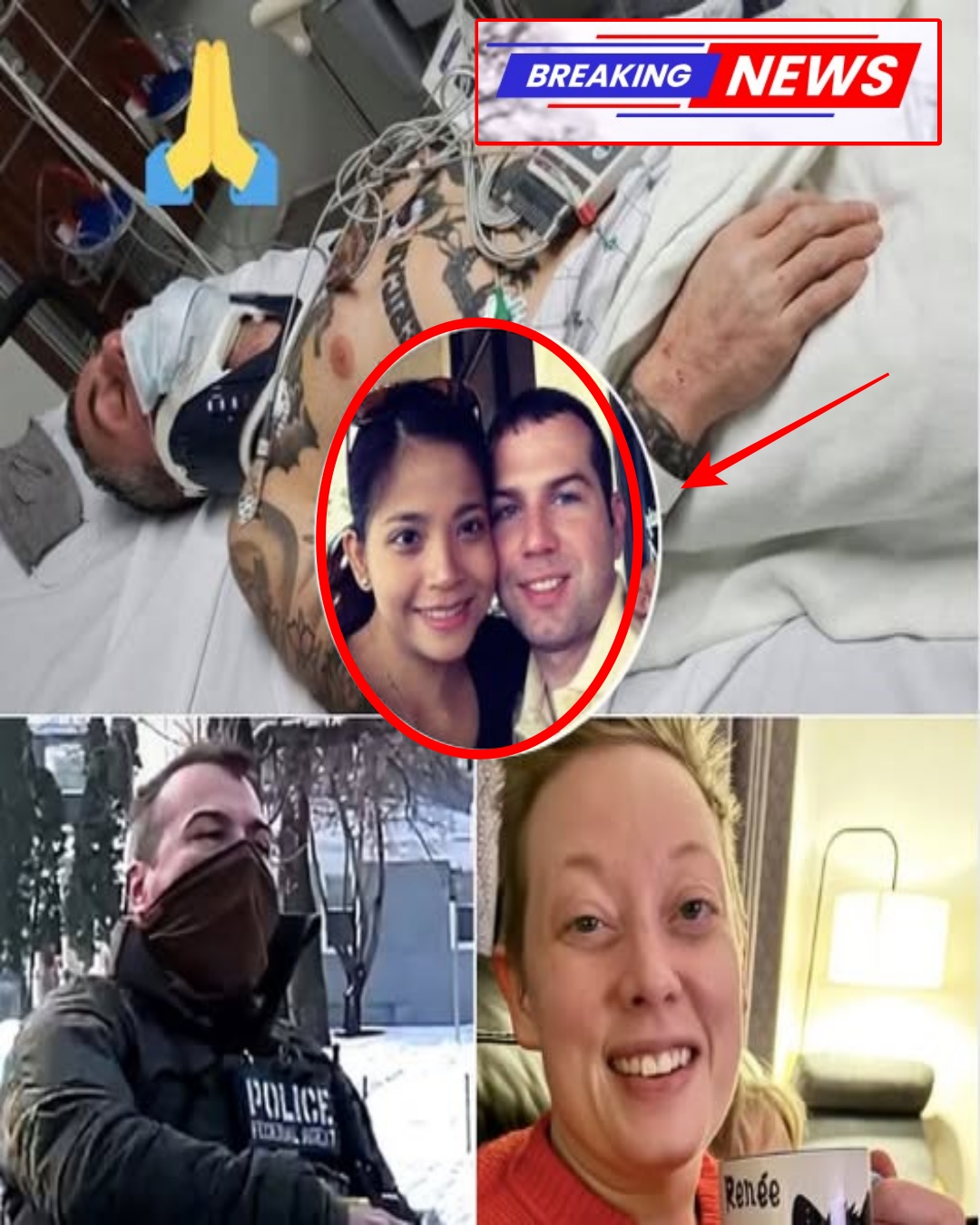
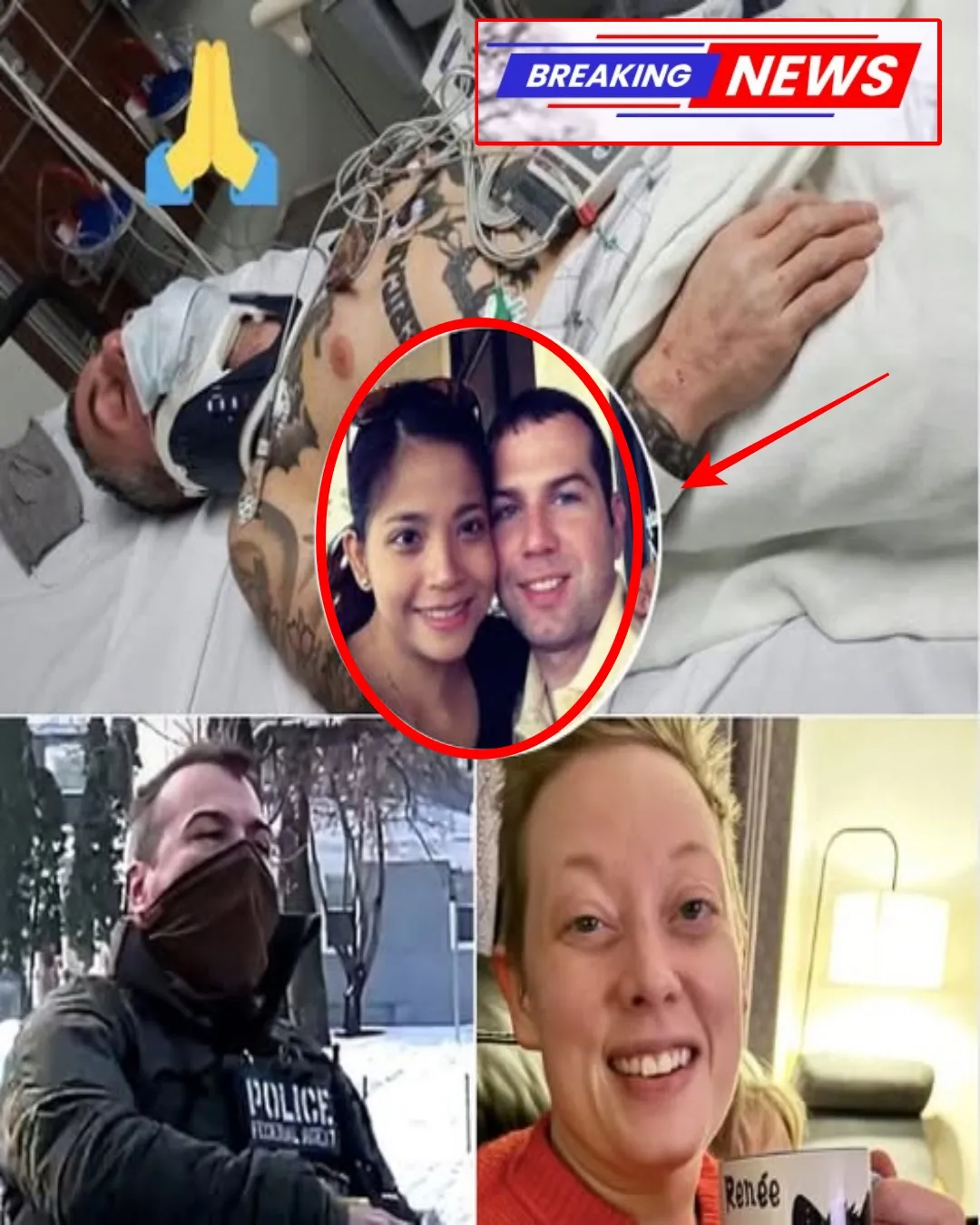
Federal officials confirmed that Ross was taken to a hospital after the shooting. According to U.S. authorities, he suffered internal bleeding from the incident and was released from medical care.
The Department of Homeland Security (DHS) described the agent’s actions as self-defense, stating he believed his life was at risk.
7. Conflicting Accounts of What Happened
The federal narrative initially claimed Good ran over or attempted to ram officers with her vehicle—language that was echoed by high-level officials, including the Secretary of DHS.
However, video evidence reviewed by journalists and local officials shows no clear visual indication that an agent was struck before the shooting. This discrepancy has become central to the controversy surrounding her death.
8. Good’s Background and Who She Was
Far from being a violent individual, family members and friends described Good as a kind, compassionate person. Her wife, Becca Good, issued a heartfelt statement emphasizing Renee’s belief in nurturing kindness and community support.
Becca said they had “whistles” while federal agents had “guns,” noting the contrast between peaceful intent and overwhelming force.
9. Immediate Reactions on the Ground
Neighbors and passersby described shock and confusion as the incident unfolded. Some reported that bystanders were prevented from providing aid to Good after she was shot.
Multiple protesters and residents gathered later that day at the site of the shooting, laying flowers, candles, and signs in her memory.
10. Protests and Public Outcry
Good’s death triggered protests in Minneapolis and beyond. Thousands attended vigils and demonstrations, often expressing anger at ICE’s presence and protest tactics later used by federal agents.
Protesters clashed with federal personnel near the Whipple Federal Building and elsewhere, with reports of tear gas and pepper spray used in response to demonstrations.
11. Political and Legal Responses
Local leaders, including Minneapolis Mayor Jacob Frey, strongly criticized the federal narrative and called for ICE’s withdrawal from the city.
Minnesota Governor Tim Walz accused the federal enforcement strategy of creating fear and jeopardizing public safety.
At the same time, DHS and presidential statements supported the actions of Ross, framing them as defensive responses to perceived threats.
12. Calls for Independent Investigation
Many Democratic lawmakers and civil rights advocates have called for an independent criminal investigation into the shooting, arguing that federal agents should not be exempt from accountability.
At the time of writing, no such independent federal civil-rights probe had been publicly announced, though the incident is being examined by the FBI.
13. Legal Representation and Civil Actions
Good’s family has hired prominent civil law attorneys, including the firm that represented George Floyd’s family, to pursue transparency and accountability.
They allege Good was not a threat and was complying with authorities when she was shot. The family is seeking answers and potential legal action against ICE and the responsible agent.
14. Personal Loss and Wider Grief
Beyond politics and legal questions, Good’s death has left her family in profound grief. Relatives and friends have emphasized the personal loss—a beloved partner, parent, and community member whose life ended in a sudden, violent encounter.
They have urged for empathy, divorced from rhetoric, and asked supporters for privacy and support for Good’s young children.
15. Broader Context of Federal Force
The Minneapolis shooting has become one of several controversial use-of-force incidents involving federal law enforcement in recent months. A separate federal agent-involved shooting occurred in the city the following week, reigniting concern about aggressive enforcement tactics.
Officials in other cities have also wrestled with similar confrontations, adding to nationwide discussion about federal power and community safety.
16. Public Debate: Self-Defense vs. Excessive Force
Legal experts say use of deadly force is governed by specific standards that protesters, local officials, and legal analysts argue may not have been met in Good’s case, especially given video evidence and conflicting narratives.
The incident has revived debates about when law enforcement officers should be permitted to use lethal force, and who gets to decide after the fact.
17. Misinformation and Official Messaging
In the immediate aftermath, statements from political leaders—especially claims about Good “running over” agents—have been challenged by journalists and factual reviews of available footage.
This conflicting messaging has fueled distrust and intensified calls for a transparent, independent review of all available evidence.
18. A Legacy of Division and Demand for Answers
Renee Good’s death is more than the story of a tragic shooting. It has become a flashpoint in national conversations about immigration enforcement, use of force, civil rights, and public trust in law enforcement.
Her family continues to seek accountability and clarity as legal and public debates unfold. Whether the full truth will come out remains uncertain—but for her loved ones and many observers, the search for answers is far from over.