
A Normal Morning That Ended in Tragedy
On January 7, 2026, 37-year-old Renee Nicole Good headed out in Minneapolis on what began as an ordinary morning. A mother of three and a citizen of the United States, she had dropped off her youngest child at school and was driving her SUV through her neighborhood when events took a sudden and dramatic turn that would draw national attention and spark widespread debate.
Federal Agents in the Streets
That day, federal immigration officials from U.S. Immigration and Customs Enforcement (ICE) were conducting law-enforcement operations in the city as part of broader efforts under a federal immigration surge program. Their presence alone drew attention and concern from local residents, who were already uneasy about what many saw as an intensified level of enforcement in civilian neighborhoods.
A Confrontation Begins
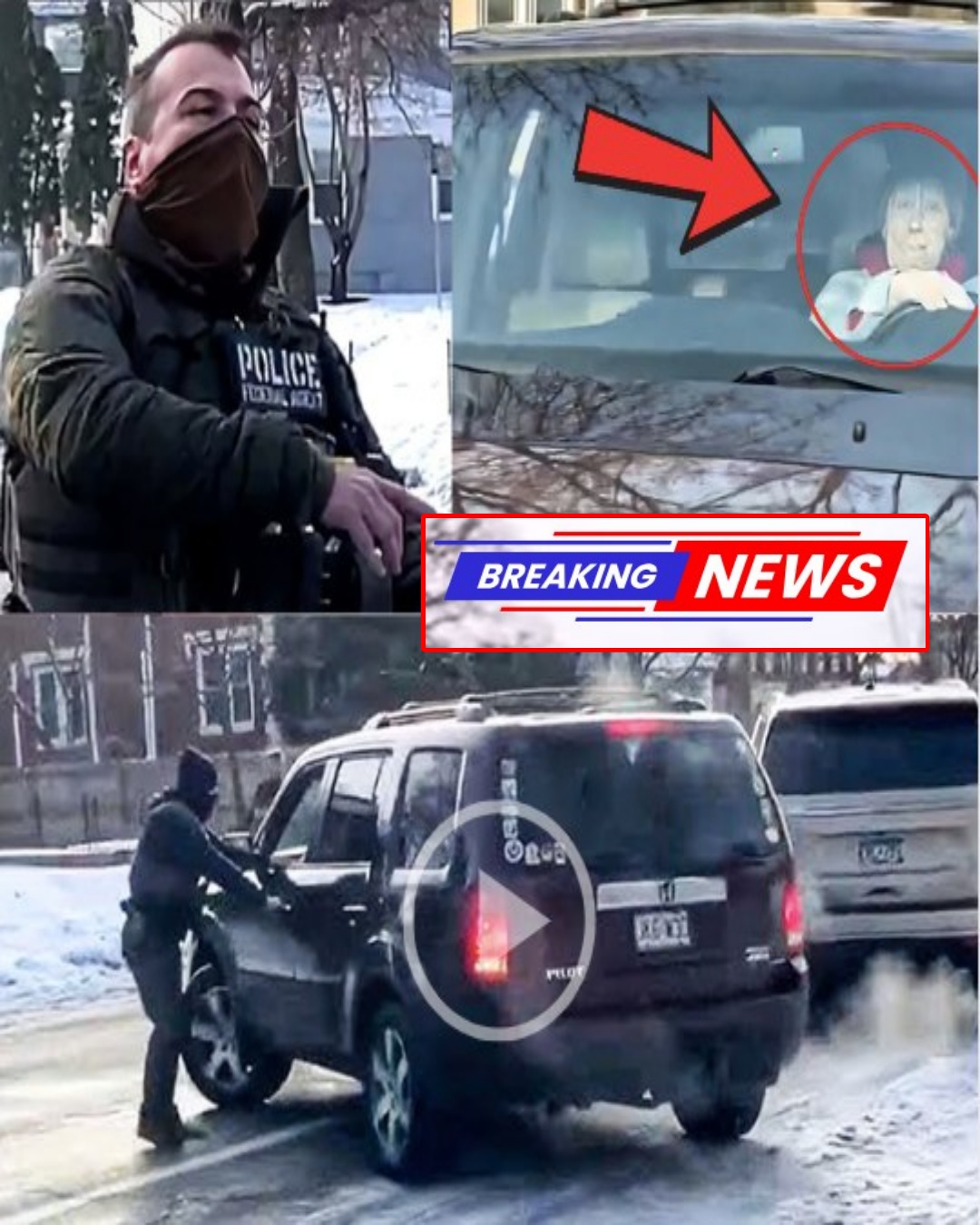
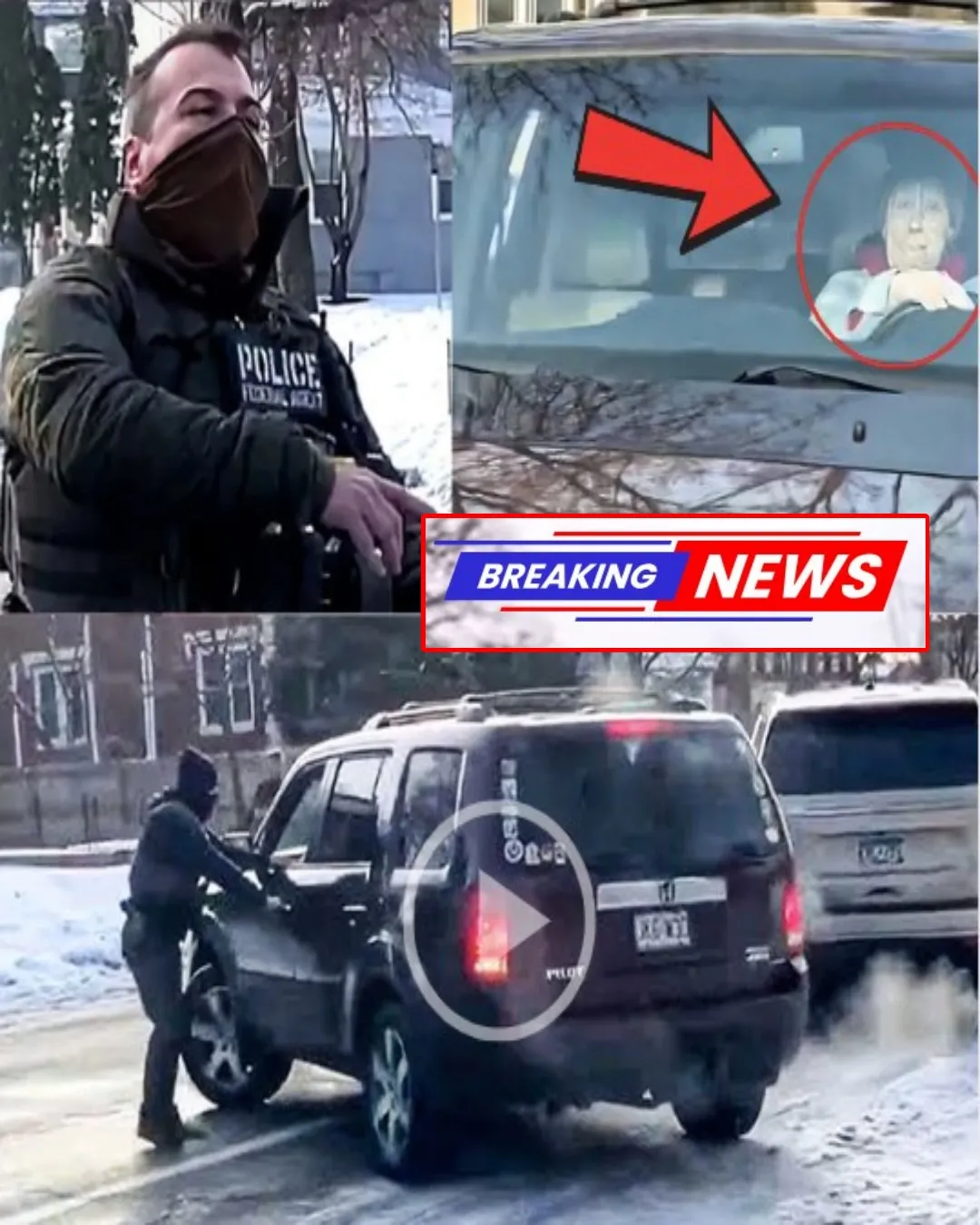
Video footage and eyewitness accounts indicate that at one point, Good’s vehicle came to a stop in the roadway near Portland Avenue. Agents believed to be with ICE approached the SUV, prompting a brief but tense exchange. Details of what was said vary depending on the source. Some reports say Good attempted to signal that vehicles could pass, while others describe agents attempting to engage her directly.
The Decision That Changed Everything
According to multiple video analyses, as Good began to drive forward—turning her vehicle and moving away from the agents—an officer who had stepped in front of her car drew his service weapon and fired multiple shots. The officer remained standing as the vehicle moved, and the shots struck Good while she was still in the driver’s seat.
The Shooting and Immediate Aftermath
The Minneapolis Fire Department’s incident report later described emergency responders finding Good unresponsive and not breathing in the driver’s seat shortly after the shooting. The report noted that she had apparent gunshot wounds and that first responders attempted resuscitative measures before transporting her to a hospital, where she later died.
Conflicting Accounts and Multiple Perspectives
The federal government, including the Department of Homeland Security, characterized the officer’s actions as self-defense, asserting the agent believed his life was at risk when Good’s vehicle moved toward him. Officials labeled the encounter an alarming moment requiring decisive action.
At the same time, eyewitnesses and community members offered a different perspective, saying Good posed no clear danger when she began driving away. Some described the situation as chaotic and highly charged, with multiple agents and bystanders nearby.
National Attention and Protests
News of Good’s death spread quickly, igniting protests in Minneapolis and national conversations about federal immigration enforcement, use of force, and public safety. Demonstrators organized rallies calling for transparency, accountability, and changes in how enforcement is carried out in civilian contexts.
Political Reactions
Political leaders responded to the incident with urgency. Some defended law enforcement’s right to act in perceived dangerous situations, while others called for independent investigations and expressed concern about escalating federal presence in local communities. The incident even drew attention from lawmakers questioning the broader strategy and oversight of federal operations.
Public Grief and Community Impact
For many in Minneapolis, the shooting was deeply personal. Memorials appeared near the site of the incident, and neighbors spoke about Good as a mother and community member whose life was cut short in a moment that defied easy explanation.
Family and Legal Response
Good’s family retained civil legal representation to pursue answers and potential accountability in the aftermath of her death. Her passing also led to discussions about the legal standards surrounding use of force by federal agents and what avenues families have for redress when a loved one is killed in such encounters.
Video Evidence and Public Record
A variety of video footage from different angles—including body-worn video from agents—was circulated publicly and analyzed by news organizations. These clips captured parts of the encounter and became key reference points in debates over what happened and why.
Questions About Use of Force
Legal analysts have pointed out that use of deadly force is subject to specific standards. Questions raised in the public sphere focused on whether those standards were met, whether non-lethal options were available, and how the situation escalated so quickly. These are central themes as investigations continue and as legal strategies are discussed.
Emergency Response Details
Reports from emergency communications show that 911 operators received calls describing shots fired and chaos at the scene. First responders arrived to find Good seriously wounded and agents still in the vicinity, and they worked to render aid in a tense and complex environment.
Broader Enforcement Context
The shooting took place against a backdrop of heightened federal immigration enforcement activity. In the days following Good’s death, additional confrontations and another federal agent-involved shooting were reported in Minneapolis, underscoring the extent of tension between federal operations and local communities.
Legal and Social Fallout
The Department of Justice and other oversight bodies opened reviews into the incident and related tensions. Some state and local officials called for limits on federal presence, while court actions and investigations continued to unfold, raising questions about jurisdiction, accountability, and the balance of law enforcement powers.
The Family’s Loss
Beyond the public discourse, those closest to Good—her partner, children, and extended family—began the process of grieving and seeking answers. Losing a loved one in such circumstances leaves lasting emotional and logistical challenges, and for many observers, her death became a focal point of deeper systemic concerns.
Ongoing Debate
As the legal and investigative processes proceed, one central question remains: how to reconcile conflicting accounts of the shooting and determine whether appropriate protocols were followed. This question continues to shape public dialogue and may influence policy discussions about federal law enforcement operations.
Questions Left Unanswered
The incident has sparked not just local sorrow and protest but wider questions about the use of force, civilian safety near law enforcement operations, and how agencies navigate encounters that escalate rapidly. Whether the full picture will ever be agreed upon remains uncertain as debates continue on multiple fronts.