

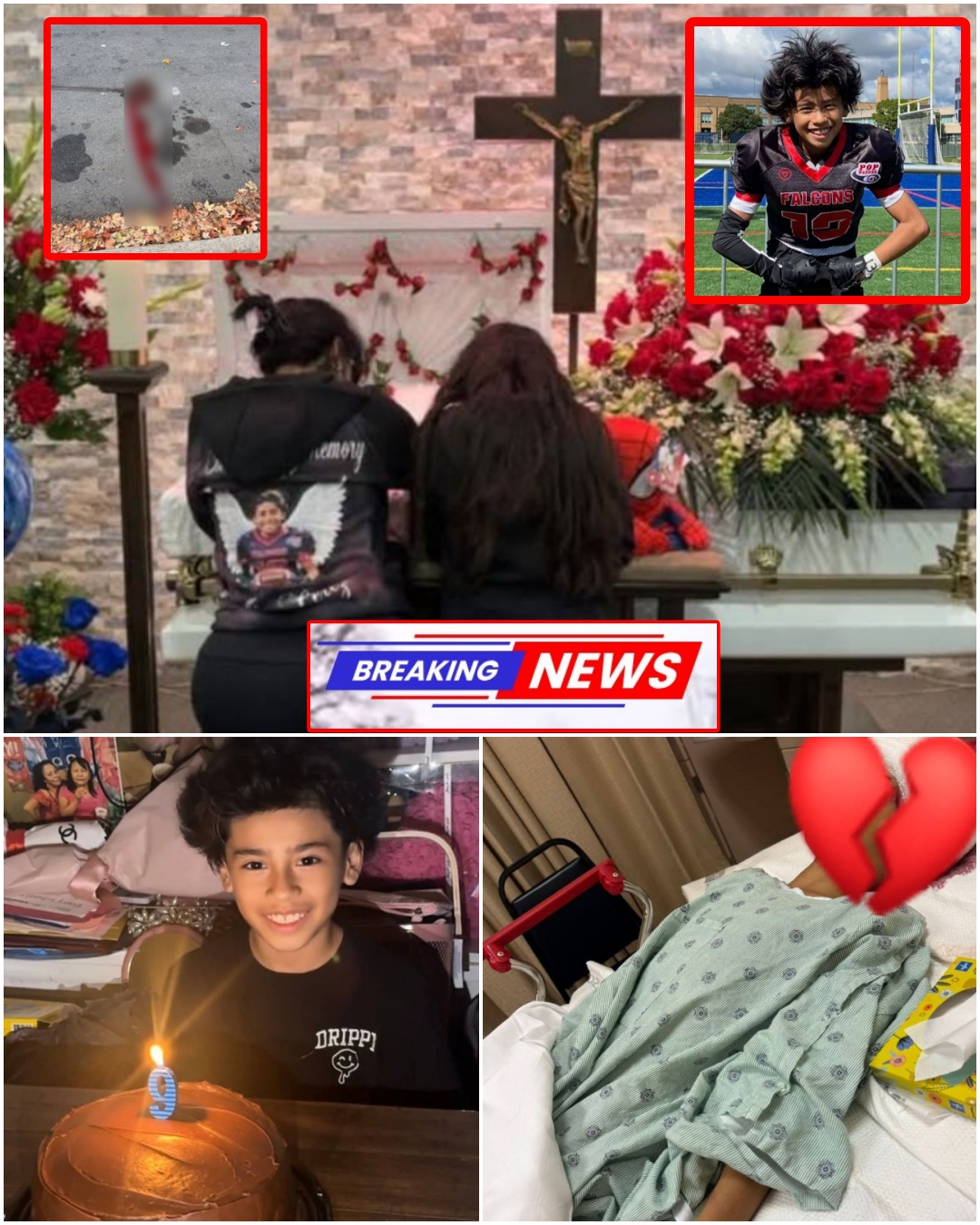
The morning began like any other school day. Backpacks were adjusted, jackets zipped, and the familiar rhythm of children heading toward classrooms filled the streets. For one nine-year-old boy in Chicago, the walk near his elementary school was supposed to be one of the safest moments of his day—a routine protected by crosswalks, signage, and the unspoken promise that school zones exist to shield children from harm.
That promise was broken in an instant.
Just steps from his school, in a clearly marked school zone, the boy was struck by a vehicle. Witnesses say the impact was severe, and the child was dragged before the vehicle finally stopped. The area meant to protect young lives instead became the site of a devastating loss that would ripple through a family, a school, and an entire community.
A Life Cut Short at Nine Years Old
At only nine years old, the child had barely begun to experience the world. He was a student, a son, a classmate, and a child whose biggest concerns should have been homework, recess, and what awaited him after school. His life ended not because of illness or accident beyond control, but during a moment when every safeguard should have been in place.
For his family, the loss was immediate and overwhelming. What began as an ordinary morning ended in a nightmare no parent should ever endure. They were forced to face the unimaginable reality that their child would never come home again.

The Location That Should Have Prevented Tragedy
The incident occurred in a designated school zone—an area where drivers are legally required to slow down and remain alert. These zones exist precisely because children are unpredictable, smaller, and more vulnerable. They are meant to reduce speed, increase caution, and prevent exactly this kind of tragedy.
Yet despite clear markings and the proximity to an elementary school, those protections failed.
Surveillance footage and witness statements later raised troubling questions about the speed and behavior of the vehicle involved. Community members say what they saw did not align with the care expected in a school zone.

No Criminal Charges Filed
As details emerged, so did outrage.
Despite the severity of the incident and the loss of a child’s life, authorities announced that no arrest or criminal charges would be filed. The case was classified as a minor traffic matter—a decision that stunned the family and angered the community.
To the boy’s loved ones, the classification felt like a dismissal of their child’s life. A nine-year-old had died, yet the legal response suggested a routine violation rather than a fatal failure.
A Driver’s History Raises Questions
What intensified the pain for the family was learning about the driver’s reported history. According to public records and community reports, the driver allegedly had prior DUI offenses. For the family, this detail raised painful and unavoidable questions.
How could someone with that history be behind the wheel near a school?
How could a child die in a school zone and no one be held criminally responsible?
These questions have become central to the family’s fight for accountability.
Witnesses and Footage Tell a Disturbing Story
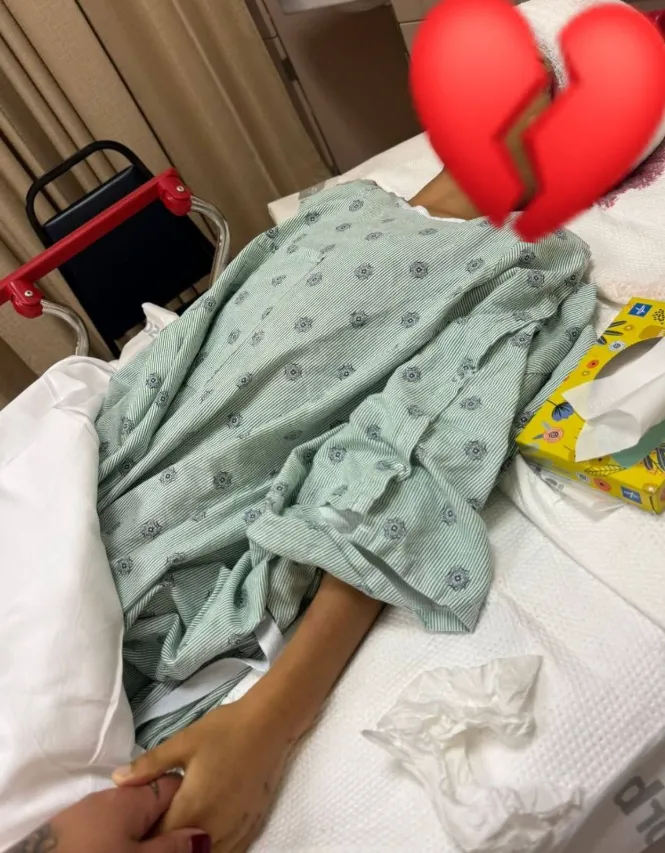
Witnesses described a scene that contradicted the idea of a simple traffic mishap. Some reported reckless driving behavior, while others pointed to the length of time the child was dragged as evidence that the incident was far more serious than a momentary mistake.
Surveillance footage reportedly exists, capturing key moments before and during the incident. For the family, this footage represents truth—truth they believe has not yet been fully acknowledged by authorities.
A Family Searching for Justice
For the child’s parents and relatives, grief quickly merged with determination. They are not only mourning their son; they are demanding that his death be taken seriously. Their message is clear: accountability matters, especially when the victim is a child.
“This isn’t just about our child,” family members have said. “This is about every child who walks to school expecting to be safe.”
Their calls are not rooted in anger alone, but in a desire to prevent another family from experiencing the same devastation.
A Community United in Outrage
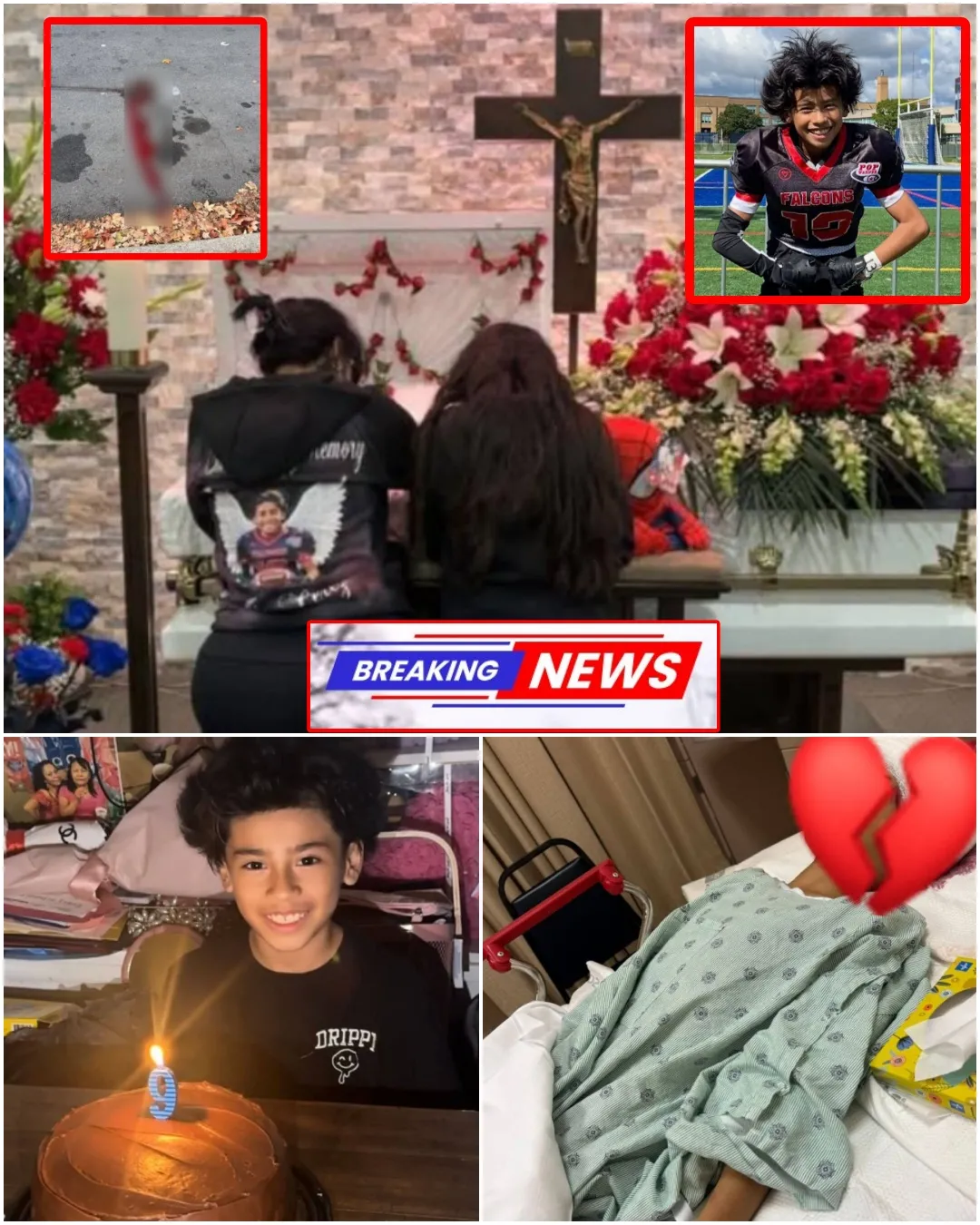
The neighborhood responded with heartbreak and solidarity. Vigils were held near the school. Flowers, candles, and handmade signs appeared along the sidewalk where the child was struck. Parents hugged their children tighter. Teachers struggled to explain loss to students too young to understand it.
Community members questioned whether school zones are being enforced—or merely marked and ignored.
The Moral Weight of the Decision
While legal definitions may classify the incident as a traffic matter, many argue that morality tells a different story. A life was lost. A child died in a place designed for protection. To the community, that outcome demands more than paperwork.
They believe the response sends a dangerous message: that even the most vulnerable can be lost without consequence.
School Zones and Accountability
Advocates stress that school zones must be treated as sacred spaces. When enforcement is lax or consequences minimal, drivers may fail to grasp the seriousness of their responsibility.
This case has become a flashpoint in a larger conversation about how cities protect children—and what happens when those protections fail.
The Silence That Followed
After the initial announcements, families say communication slowed. Questions went unanswered. Explanations felt incomplete. For parents desperate for clarity, the silence only deepened the wound.
Grief is heavy enough without uncertainty. Not knowing why no charges were filed—or whether further review is possible—has left the family feeling abandoned by the system meant to protect them.
Remembering the Child Beyond the Headlines
Those who knew the boy remember his laughter, his curiosity, and his innocence. He was more than a victim of a traffic incident. He was a child who mattered, who was loved, and whose absence has left an unfillable space.
Friends from school speak of an empty desk. Teachers recall a voice missing from the classroom. These quiet reminders linger long after the news cameras leave.
Calls for Change Grow Louder
In response to the tragedy, community leaders are calling for stronger enforcement of school zone laws, harsher penalties for violations, and closer scrutiny of drivers with prior offenses.
Some are pushing for legislative reform, arguing that the death of a child should never be treated as minor.
A Mother’s and Father’s Unending Pain
For the parents, time has divided into before and after. Every day now carries the weight of what was lost and what must be fought for. They speak not only for their son, but for other children who rely on adults to make safe choices.
Their plea is simple: acknowledge the loss, honor the life, and ensure accountability.
A Question That Will Not Fade
As the case remains without charges, one question echoes through the community:
If a child can die in a school zone and no one is held criminally responsible, what does safety truly mean?
It is a question without an easy answer, but one that refuses to disappear.
Holding Space for Grief and Hope
The family continues to ask for prayers—not because faith replaces justice, but because grief requires strength that cannot always be found alone. They ask the public to remember their son, to speak his name, and to demand better.
A Child Deserved Better
This tragedy is not just a story about a crash. It is about responsibility, protection, and the value of a child’s life. It is about how systems respond when the most vulnerable are lost—and whether those responses honor the gravity of that loss.
The Fight Is Not Over
For this family, justice is still being sought. For the community, the pain remains raw. And for many parents, the walk to school now carries a new fear.
The loss of a nine-year-old boy in a place meant to keep him safe has left a permanent mark—and a question that demands an answer.
Will accountability ever come, or will this tragedy be remembered only in mourning, not in change?