

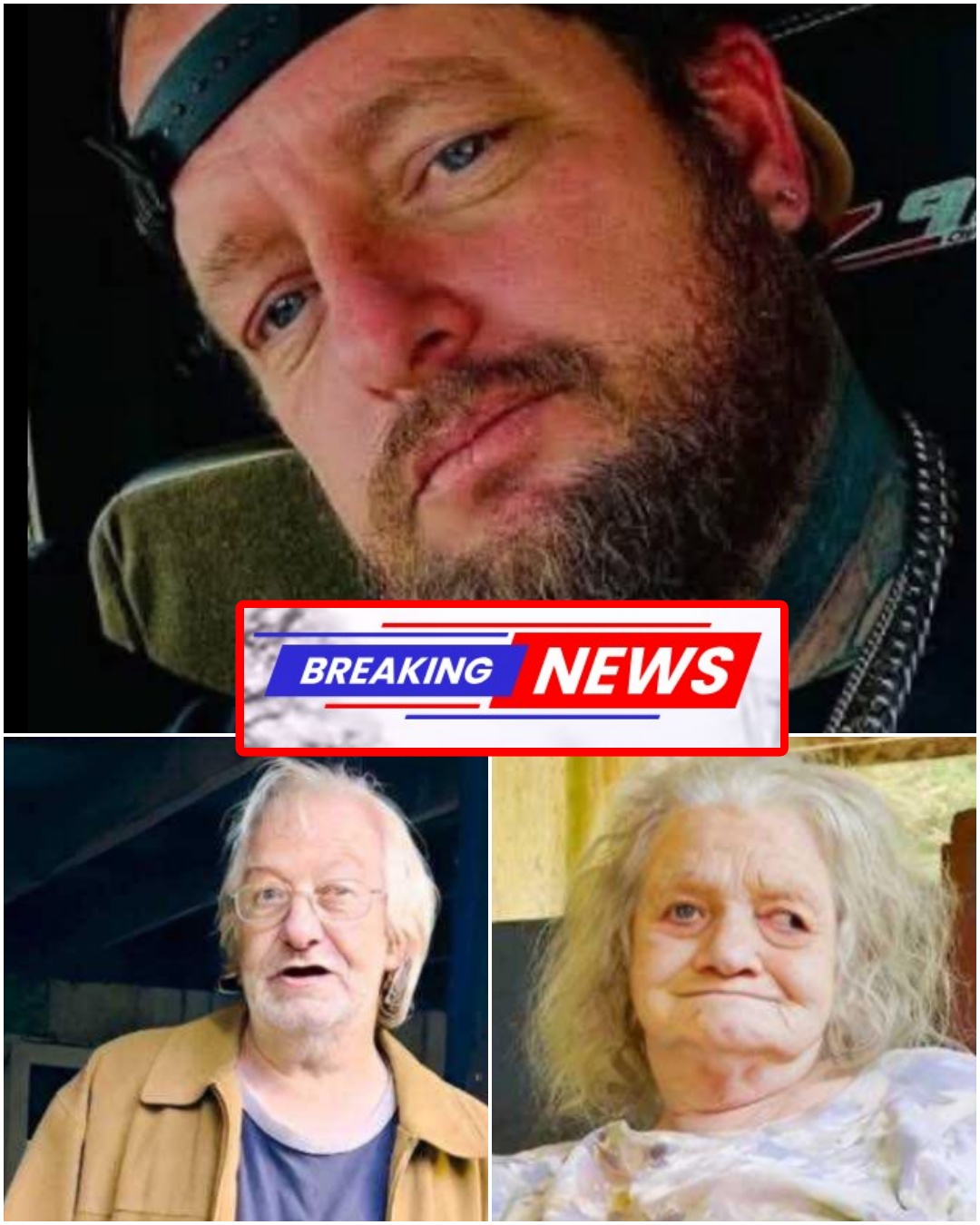
The arrest of a West Virginia man in connection with alleged financial exploitation involving the Whittaker family has sent shockwaves through a community already familiar with the family’s fragile circumstances. For years, the Whittakers of Raleigh County have lived largely out of sight in a remote area of the state, their lives marked by isolation, poverty, and significant disabilities. When their story reached a global audience through viral social-media videos and interviews, it sparked an outpouring of sympathy—and with it, a flood of donations from people who believed they were helping a vulnerable family survive.
That wave of goodwill is now at the center of a criminal investigation.
West Virginia State Police announced the arrest of John Patrick Roark, 47, following a months-long inquiry into allegations of fraud and financial exploitation tied to money raised in the name of the Whittaker family. According to authorities, the investigation began in September 2025 after law enforcement received complaints concerning the handling of funds, online fundraising activity, and social-media monetization connected to the family.

The Whittaker family—Larry, Betty, Lorene, Timmy, and Ray—are not accused of any wrongdoing. Police have been clear on this point, emphasizing that the family members are considered vulnerable individuals under the law and are viewed as potential victims, not participants, in the alleged scheme. Investigators say the focus of the case is entirely on individuals who may have exploited the family’s circumstances for personal gain.
The Whittakers came to public attention after videos documenting their living conditions circulated widely online. Viewers around the world reacted with shock and compassion as they watched footage showing the family’s isolated home, limited resources, and visible disabilities. Many expressed a desire to help, donating money, supplies, and other forms of support through online platforms and intermediaries who claimed to be assisting the family.
According to investigators, Roark allegedly positioned himself as one of those helpers. Authorities claim he inserted himself into the family’s affairs by presenting himself as someone managing donations, coordinating assistance, and serving as a liaison between the family and the public. On the surface, police say, this arrangement appeared to be an effort to support the Whittakers and ensure they benefited from the attention their story had drawn.
Behind the scenes, however, investigators allege a very different reality.

Law enforcement claims that Roark solicited and collected funds from donors under the premise that the money would directly benefit the Whittaker family. Instead, authorities allege, a substantial portion of those funds was diverted for Roark’s personal use. Police say the alleged misuse involved not only direct donations but also proceeds generated through monetized social-media content featuring the family.
According to the investigation, the family’s likeness, story, and living conditions were used to generate online revenue without proper safeguards to protect their financial interests. Investigators allege that the Whittakers, due to their vulnerabilities, were not adequately informed, protected, or compensated in a way that reflected the funds raised in their name.
As the case developed, authorities say they uncovered evidence suggesting patterns of financial exploitation. The charges filed against Roark include five counts of financial exploitation of an incapacitated person, five counts of fraudulent schemes, and one count of fraudulent use of an access device. Each charge reflects a separate alleged act tied to misuse of funds or fraudulent financial activity.

Police have not released detailed figures regarding the total amount of money allegedly involved, but they have indicated that the sums were significant enough to warrant multiple felony counts. Investigators also noted that the digital nature of fundraising and content monetization complicated the case, requiring extensive review of online platforms, financial records, and electronic transactions.
Roark was taken into custody and is currently being held on a $150,000 bond. Authorities say the investigation remains active, and they have not ruled out the possibility of additional charges or arrests as financial records continue to be reviewed. Law enforcement has urged anyone with information related to donations or fundraising connected to the Whittaker family to come forward.
The case has reignited broader conversations about the risks associated with online fundraising, particularly when vulnerable individuals become the focus of viral attention. While social media can bring awareness and assistance, it can also create opportunities for exploitation when oversight is limited and donors rely on intermediaries they do not know personally.
Advocates for disability rights and elder protection have noted that cases like this highlight the importance of safeguards when managing money for incapacitated or vulnerable individuals. They stress that good intentions from donors do not always guarantee good outcomes for recipients, especially when accountability structures are unclear or nonexistent.
Community members in Raleigh County have expressed mixed emotions following the arrest. Some feel anger and betrayal that generosity intended to help a struggling family may have been misused. Others feel relief that authorities are investigating and taking action to protect the Whittakers from further harm. Many have expressed concern about how the family will move forward amid renewed public attention and legal scrutiny.
Law enforcement officials have reiterated that the Whittaker family’s welfare remains a priority. They have emphasized that any recovered funds or future support efforts should be handled through transparent, legally supervised channels designed to protect the family’s interests. Officials have also cautioned the public against unauthorized fundraising efforts claiming to act on the family’s behalf.
As the legal process unfolds, the case serves as a stark reminder of how easily compassion can be manipulated when vulnerable lives become public narratives. It raises difficult questions about who truly benefits when stories of hardship go viral—and who is responsible for ensuring that help reaches those it is meant to serve.
For now, the charges against Roark remain allegations, and he is presumed innocent unless and until proven guilty in a court of law. Yet the investigation has already exposed the fragile line between charity and exploitation in the digital age.

As authorities continue to examine financial records and online activity, one question looms large: how many similar cases go unnoticed, hidden behind viral sympathy and unchecked fundraising—and will this investigation finally bring clarity and accountability, or reveal an even deeper web of exploitation still waiting to be uncovered?
Leave a Reply
You must be logged in to post a comment.